
How Group Workouts Improve Your Sports Skills and Motivation
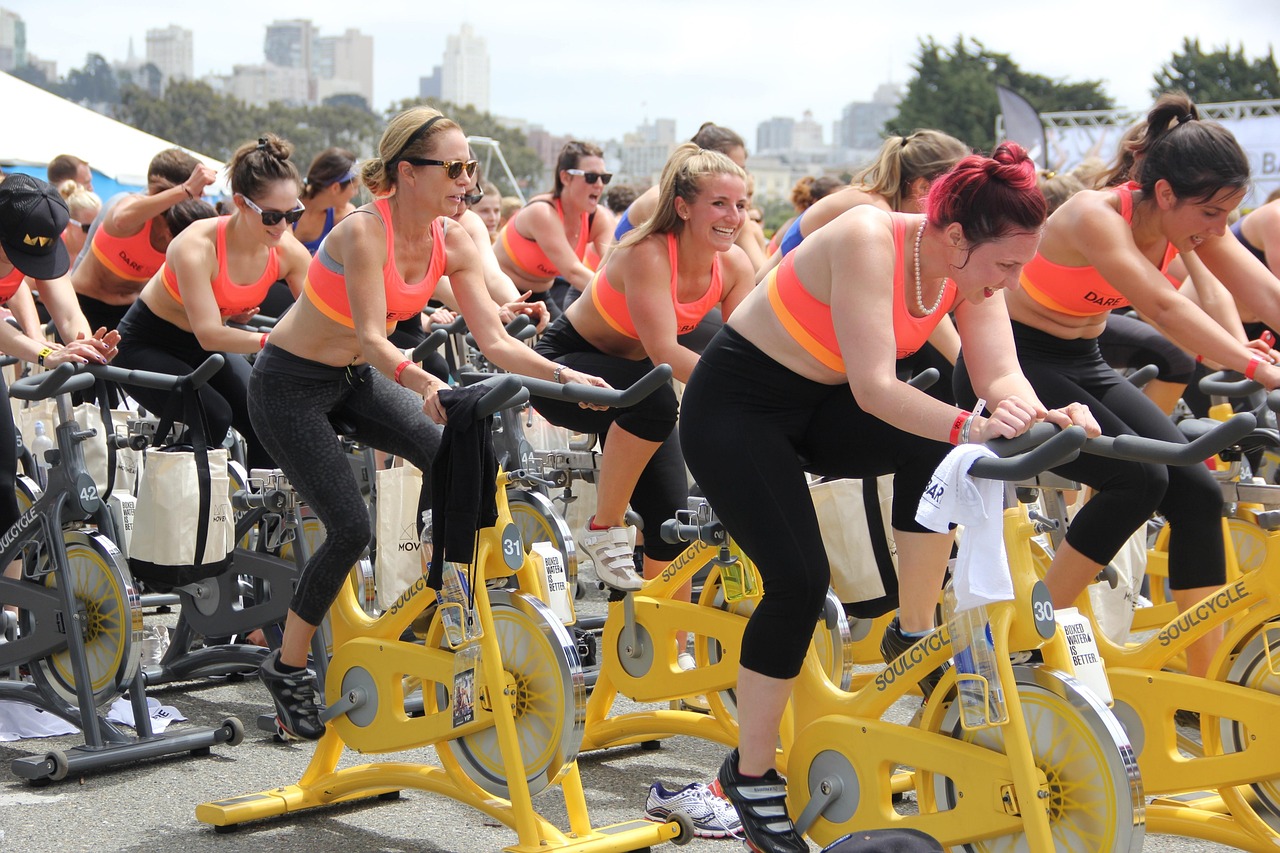
Engaging in group workouts is a powerful way to enhance your sports skills and overall motivation. Being part of a community fosters camaraderie, which can significantly improve your consistency and performance. When surrounded by fellow athletes, you may find inspiration and encouragement to push your limits. The collective energy in group settings often leads to better outcomes than solo training. This synergy acts as a motivational force, driving you to attain higher peaks of physical prowess and skill. Group workouts provide varied experiences, which can keep the training process exciting. Exercises can be tailored to meet diverse fitness levels, which means everyone is included. It’s also an opportunity to learn new techniques or strategies from peers and instructors alike. Such interactions not only enhance knowledge but also foster a sense of belonging. The joy of overcoming challenges together should ultimately lead to a stronger community. Embracing the shared goals and achievements helps solidify relationships, enriching the overall workout experience. Thus, participating in group workouts can elevate not just sports skills, but the spirit of collaboration and support among participants.
Personal connections developed in group workouts translate into improved motivation and accountability. When you know others rely on you to show up, you are more likely to honor your commitment. The dynamics of teamwork can help you stay consistent, making you less inclined to skip workouts. Importantly, the group environment allows for healthy competition, a significant catalyst for improvement. Competing with peers fosters a drive to work harder, refining your skills in ways that training alone may not achieve. It’s essential to push your boundaries, and the group atmosphere offers that unique opportunity. Moreover, feedback from friends or co-training partners can provide insightful perspectives on your performance. This support enhances growth by highlighting both strengths and areas needing improvement. Another advantage is the access to a wider pool of knowledge and resources. You can learn various disciplines and techniques from different participants, enriching your training regimen. Plus, groups often feature skilled trainers who can impart valuable exercises tailored for specific sports. Leveraging diverse talents within your workout community ultimately helps elevate your skill set beyond individual capabilities.
Participation in group workouts often leads to improved mental resilience. Facing challenges alongside others can impart lesson’s that motivate individuals to push through difficulties. As you encounter fatigue, disappointment, or plateaus in your performance, having supportive peers engaged can help you refocus on your goals. Emotional support within a community encourages perseverance in overcoming obstacles. It can be comforting to share struggles and victories with like-minded individuals who understand what you’re going through. This shared journey creates a bond, creating a safety net during tough training phases. Through open discussions and motivational talks, members can inspire and uplift each other. Furthermore, this environment cultivates a culture of celebration for achievements, both big and small, which can be a fantastic motivator. Recognizing the progress of others can spark your motivation to improve. Group workouts emphasize the significance of progress, reinforcing that every step taken contributes to overall success. This creates a cycle of positive reinforcement where everyone feels they are part of something larger than themselves. Ultimately, the social aspect of group workouts can transform your experience in sport and fitness dramatically.
The Role of Expert Guidance
Group workouts often involve knowledgeable instructors who guide participants toward best practices for performance improvement. Qualified trainers can tailor workouts to meet the unique demands of various sports, enabling participants to maximize their training effectiveness. These experts offer real-time feedback, correcting form and technique, significantly decreasing the risk of injury. This guidance leads not just to improved performance but also to safer training sessions. Through their experience, trainers can introduce innovative exercises that challenge athletes in key areas, making workouts more engaging. The combination of personal training insights and group energy fosters a unique learning environment. In addition, trainers often share tips about sport-specific strategies, which further enhances skills. The communal aspect allows for collective problem-solving, where athletes mutually support and motivate each other to achieve their goals. This heightened sense of teamwork can build confidence, catalyzing remarkable performance. Cultivating a culture of feedback and assistance can lead to profound growth for any participant, regardless of skill level. As athletes witness gradual improvements with their sports techniques, their aspirations strengthen, further encouraging a supportive fitness culture.
Moreover, the energy and motivation derived from group workouts can improve the psychological approach to sports training. The environment fosters positive reinforcement, leading to increased belief in one’s skills. When individuals are surrounded by others who are equally determined, it inspires a contagious mindset of persistence. Observing one’s peers advancing serves to ignite a fire in everyone involved, urging each athlete to reach their highest potential. This shared ambition generates a unique solidarity, creating tight-knit relationships that enhance personal resolve. By establishing friendships during these fitness activities, participants may feel more invested in their individual journeys and those of their partners. Therefore, while engaging in group workouts, athletes often experience growth not only in skills but also in their interpersonal connections. This camaraderie can transcend fitness, as friendships formed in these settings often spill over into daily life. The commitment seen within the group promotes accountability and encourages individuals to continually strive for enhancement. Essentially, these connections are vital, generating hope and aspiration that inspires collective and personal accomplishments throughout the athletic journey.
Building a Support Network
One of the most significant advantages of participating in group workouts is the establishment of a robust support network. This network consists of individuals who share similar fitness goals and experiences, fostering a sense of belonging and community. During difficult times, such networks can provide emotional upliftment that is crucial for sustaining progress. The belief in accountability nurtured among members helps maintain commitment levels towards shared goals. When facing setbacks or burnout, discussing challenges with fellow group members can offer fresh perspectives, enhancing personal motivation. Additionally, encouragement from peers can prove invaluable, particularly when one’s resolve feels weak. This positive feedback can reinvigorate passion and determination to advance through struggles. As connections grow deeper, this support network can evolve beyond fitness routines, facilitating discussions around wellness, lifestyle choices, and mental health. The exchange of ideas within this group can inspire participants to adopt healthier habits altogether. This holistic approach to fitness can dramatically improve performance in sports, as physical and mental well-being becomes intrinsically linked to success. Ultimately, these relationships play a pivotal role in maintaining motivation and achieving personal milestones in sports.
Furthermore, as bonds strengthen through group workouts, members often find themselves setting higher ambitions collectively. This shared vision can lead to organized events, competitive outings, or motivational challenges intended to elevate performance. The experience of training together for a common goal imbues individuals with a sense of loyalty to both themselves and their companions. This fosters an encouraging environment where everyone strives for excellence. When challenges arise in these settings, participants support each other through setbacks, reinforcing a shared commitment to personal growth over individual competition. Such dynamics create an empowering atmosphere conducive to achieving greater goals. Bonds formed through these challenges enhance team cohesion, leading to a tighter-knit community of dedicated athletes. Ultimately, as the group flourishes, the overall energy reflects in individual performances. Everyone feels a heightened sense of achievement when they succeed together. This achievement mindset nurtures a sustainable cycle of motivation, fitness improvement, and community bonding. Thus, group workouts not only improve sports skills but also cultivate an enriched sense of shared purpose and commitment in the fitness community.
In conclusion, group workouts offer a comprehensive approach to developing sports skills while enhancing motivation. The communal aspect ignites a passion for fitness, addressing both physical and emotional needs of athletes. It fosters a spirit of collaboration that brings individuals together, promoting accountability and support. Members not only learn from one another but also inspire their peers towards achieving greatness. By participating in these interactions, athletes build a solid foundation of techniques and strategies unique to their disciplines. Furthermore, the presence of knowledgeable trainers enhances the experience, guiding participants on their journey. The contributions of coaches serve to elevate training, allowing for safer and more productive sessions. Additionally, the friendships forged can create lasting bonds that extend beyond the gym. This support ecosystem keeps individuals motivated during challenging times, encouraging resilience through tough moments. By participating in these group dynamics, athletes can fully recognize their potential, evolving both personally and within sports. The journey of skill enhancement is enriched by the relationships formed, highlighting the interplay of personal growth, commitment, and teamwork. Finally, embracing group workouts can significantly elevate one’s overall performance through concerted efforts. A fitness community grounded in support, motivation, and shared experiences empowers everyone involved.