
How to Get Enough Iron and Zinc After Workouts on a Vegan Diet
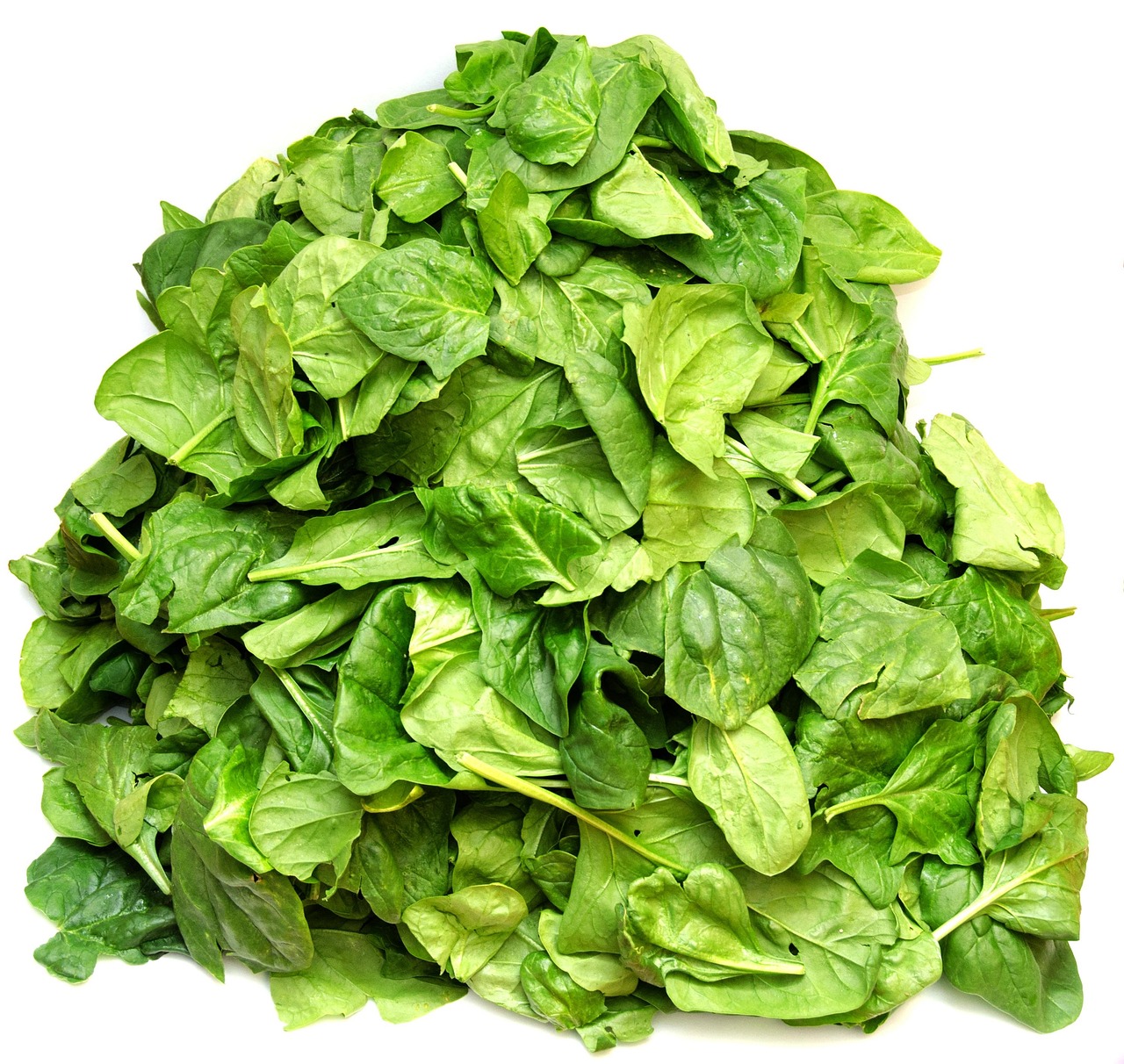
After workouts, vegan athletes need to focus on essential nutrients, particularly iron and zinc, for optimal recovery. These minerals play crucial roles in energy metabolism, enzyme functioning, and immune support. To ensure adequate intake of iron, consider incorporating a wide variety of plant-based foods. Foods rich in iron include beans, lentils, tofu, quinoa, fortified cereals, almonds, and dark leafy greens like spinach and kale. Cooking with cast iron cookware can also enhance the iron content in your meals. Moreover, pairing iron-rich foods with vitamin C sources can improve absorption. Loading up on bell peppers, strawberries, or citrus fruits immediately post workout can be particularly beneficial. In contrast, zinc can be found in pumpkin seeds, chickpeas, lentils, and whole grains like oats and brown rice. Although phytates in grains may inhibit zinc absorption, soaking, sprouting, or fermenting grains can mitigate this effect effectively. Nutritional yeast also offers a great plant-based source of zinc. Plan well-balanced meals to meet your dietary needs, and consider consulting with a registered dietitian for personalized advice on optimizing post-workout nutrition.
To properly absorb iron in a vegan diet, understanding the different forms of iron is essential. Iron exists in two forms: heme and non-heme iron. Heme iron is primarily found in animal products, whereas non-heme iron is predominantly in plant-based foods. While non-heme iron absorption is less efficient, combining it with vitamin C can significantly enhance absorption rates. For vegan athletes, focusing on non-heme sources means consuming a diverse range of iron-rich foods daily. Include lentil salads with a squeeze of lemon juice to maximize absorption, or enjoy smoothies with spinach and strawberries post workout. Diversifying the sources of iron and making conscious combinations is vital. Additionally, consider the role of other dietary factors in iron absorption. High doses of calcium or certain polyphenols from coffee and tea can impede iron absorption. Timing the consumption of these beverages away from iron-rich meals can prove useful. A well-structured meal plan incorporating sufficient iron and vitamin C can assist in fulfilling nutrient needs effectively. By carefully selecting foods and enhancing absorption strategies, vegan athletes can maintain optimal iron levels even on a predominantly plant-based diet.
Importance of Zinc for Recovery
Zinc is another critical mineral for vegan athletes involved in high-intensity workouts. It plays a fundamental role in immune function, protein synthesis, and tissue repair, which are especially vital after rigorous exercise. Adequate zinc levels can significantly aid recovery and minimize the risk of illnesses. Pulses, nuts, seeds, and whole grains are excellent plant-based sources of zinc. Among them, pumpkin seeds stand out as a powerhouse, providing significant zinc content and healthy fats. Enjoying a handful of pumpkin seeds as a post-workout snack or adding them to smoothies or salads can boost zinc intake efficiently. Complement these with whole grains like brown rice or bulgur at meals, ensuring a rich source of this essential mineral. Vegan athletes should also explore different ways to incorporate zinc-rich ingredients in their diets creatively. Baking with whole grain flours, adding chickpeas to various dishes, and snacking on nuts throughout the day can contribute to regular zinc consumption. Aiming for a variety of foods not only fulfills zinc requirements but also enhances overall nutrient diversity in the diet.
Hydration is equally important as consuming iron and zinc after workouts. Adequate hydration facilitates optimal nutrient absorption and helps maintain overall performance. Post-workout hydration recommendations generally include water, smoothies, or electrolyte-rich beverages. For vegan athletes, blending fruits with leafy greens offers a delicious way to ensure adequate hydration while also delivering vital nutrients. Smoothies can incorporate ingredients like bananas, spinach, and almond milk, providing hydration, potassium, and magnesium. Another great option is coconut water, which serves as both a hydration fluid and an excellent source of potassium. However, beware of incorporating high-sugar beverages that can lead to energy crashes later. Balancing hydration with nutrients is essential for performance recovery. During workouts, providing your body with sufficient fluids will ensure that electrolyte levels remain optimal. By choosing nutrient-dense and hydrating foods or beverages, athletes can support recovery proactively. Keeping an eye on hydration levels not only uplifts post-workout recovery but also favors overall athletic performance and endurance, improving training sessions effectiveness consistently.
Meal Timing for Optimal Recovery
Proper meal timing is crucial in maximizing post-workout recovery, particularly for vegan athletes. Consuming a well-balanced meal containing iron and zinc shortly after exercising can significantly improve recovery rates. Ideally, athletes should aim to eat within 30 to 60 minutes post-exercise to replenish glycogen stores and promote muscle recovery. A well-structured meal might include a combination of a whole grain base, a variety of legumes or tofu, and colorful vegetables to ensure nutrient diversity. Consider preparing wraps using whole grain tortillas filled with hummus, veggies, and spinach to increase iron intake effectively. Additionally, smoothies intertwined with nuts and seeds present a delicious alternative that helps in nutrient absorption while being easily digestible. Preparing meals in advance or opting for quick snacks enhances adherence to meal timing, ultimately benefiting recovery outcomes. Vegan athletes may also consider additional supplements if recommended. Vitamin B12 and combined multivitamins can enhance mineral absorption without compromising the integrity of a plant-based diet. Consistently adhering to meal timing reinforces your workout efforts and dietary plans effectively.
The role of supplements cannot be overlooked in ensuring sufficient iron and zinc intake for vegan athletes. While whole foods should comprise the foundation of any diet, supplementation can assist in filling nutritional gaps. Iron supplements, such as ferrous sulfate or gluconate, can become beneficial, particularly for athletes who struggle with iron deficiency. However, it’s critical to consult a healthcare provider or registered dietitian before starting any supplementation, as excessive iron intake can have adverse effects. For zinc, look for options that offer a balanced approach with minimal added ingredients. Plant-based options, such as zinc lozenges or capsules, can also be effective. Keep an eye on the recommended dietary allowances for both iron and zinc to avoid deficiencies or excessive intake. Tracking your intake can aid in making informed dietary decisions. A food diary or nutrition app can help easily monitor nutritional adequacy. While supplements are beneficial, the primary focus should always remain on whole food sources to ensure balanced nutrition. By maintaining a conscious approach to supplementation, vegan athletes can enhance recovery while prioritizing health.
Final Thoughts on Vegan Post-Workout Nutrition
In conclusion, effective post-workout nutrition for vegan athletes hinges on ensuring adequate iron and zinc intake alongside a variety of nutrients. Integrating a mix of legumes, grains, seeds, nuts, and fruits can create balanced meals that meet mineral needs consistently. Furthermore, being mindful of nutrient absorption, meal timing, and hydration will amplify the benefits of a plant-based diet. By adopting diverse culinary practices and experimenting with food combinations, athletes can enjoy flavorful and nutritious meals. Incorporating small dietary supplements might help maintain nutritional balance, particularly during intense training cycles. Regularly consulting with health professionals can provide tailored nutritional guidance, ensuring you stay on track with your fitness journey. Remember that a well-planned vegan diet can successfully support athletic performance while minimizing deficiencies. Finding moments for preparation, meal planning, and keeping nutrient-rich snacks accessible are steps toward optimal health. Finally, focusing on gut health through various whole foods can further promote nutrient absorption, setting the stage for enhanced athletic performance and recovery. A dedicated commitment to nutrition can make a significant difference in your overall athletic outcomes.
As vegan athletes venture into post-workout nutrition, exploring diverse food options and combining them thoughtfully places them on a path toward successful nutrition strategies. Understanding nutrient roles can empower decisions that favor athletic performance and well-being. This journey may include learning about the various sources of iron and zinc, along with their supporting nutrients, enhancing comprehension overall. Thus, developing a comprehensive dietary plan enables you to satisfy both athletic and health needs. Targeting specific food combinations assists absorption without overly complicating the diet while also keeping meals enjoyable. It’s crucial to remind yourself to celebrate small victories along the way, ensuring that nutritional changes become manageable and stress-free. Encourage fellow athletes and communities to share experiences that can enrich your knowledge base, fostering both growth and exploration. Ultimately, prioritize maintaining balance in your nutritional approach, allowing flexibility that fits your lifestyle. Embrace the creative aspects of cooking and meal prep, which can provide enjoyment in a vegan dietary journey. Remember that combining knowledge with practice shapes a successful relationship with food. This strategic mindset can lead to fulfilling post-workout nutrition that aligns with your vegan preferences.