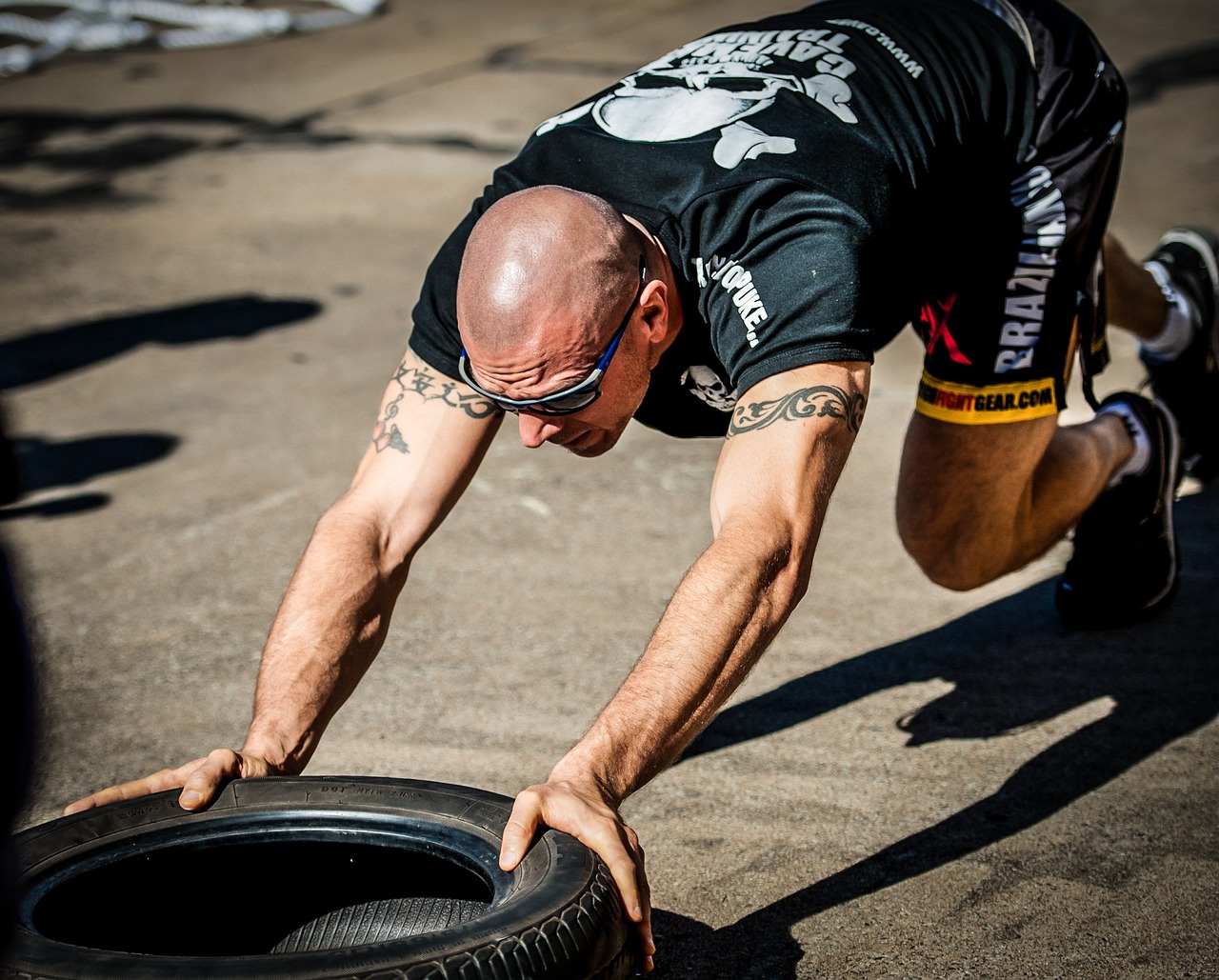

Understanding HIIT for Functional Fitness
High-Intensity Interval Training (HIIT) is a form of exercise characterized by alternating between short bursts of intense activity and brief periods of rest. This training method focuses on functional movements that mimic daily activities, helping to improve overall strength, endurance, and mobility. Participating in HIIT has numerous benefits, as it not only enhances cardiovascular fitness but also strengthens muscles and boosts metabolism. To effectively implement HIIT for functional fitness, it’s essential to include a variety of exercises that target different muscle groups. This could involve bodyweight exercises, resistance training, or even plyometrics. Keeping workouts engaging and adaptable encourages adherence and maximizes results. It’s also crucial to listen to your body since HIIT sessions can be taxing, ensuring you’re allowing for adequate recovery between sessions. Popular workouts may revolve around exercises like squats, push-ups, and burpees, which instill functional strength while promoting fat loss. Overall, HIIT presents a valuable opportunity to combine high-intensity activity with functional fitness, progressing toward sustainable health goals.
Benefits of HIIT for Functional Fitness
Implementing HIIT into your workout routine provides an array of benefits, particularly when it comes to functional fitness. Firstly, HIIT is known for its efficiency; workouts can be completed in shorter periods while still delivering significant results. This is an attractive feature for those with busy schedules. Additionally, HIIT workouts stimulate metabolic rate, leading to more calories burned post-exercise, often referred to as the afterburn effect. This translates into enhanced fat loss over time, a key aspect for many looking to stay fit. Furthermore, HIIT integrates varied movements that challenge the body’s coordination and balance. Such challenges translate directly to better performance during regular daily activities, helping to prevent injuries. Social engagement is also a benefit; HIIT is frequently done in group settings, which helps foster motivation and accountability. Moreover, the versatility of HIIT allows for modifications, catering to various fitness levels. Whether you are a beginner or an advanced athlete, there are suitable HIIT workouts. By embracing this dynamic exercise method, individuals can achieve functional fitness goals while enjoying the journey.
Creating an Effective HIIT Routine
Constructing an effective HIIT routine for functional fitness involves careful planning and awareness of personal fitness levels. Start by identifying the functional movements that align with your objectives. Consider typical activities you face in daily life, targeting specific muscle groups and energy systems. Example exercises might include kettlebell swings, lunges, and box jumps. Each HIIT session should ideally include a proper warm-up to prepare the body, preventing potential injuries. A sample structure might include 20-30 seconds of intense effort followed by 10-30 seconds of rest or active recovery. To sustainably progress, gradually increase either the intensity of the exercises or the length of intervals. It’s also vital to ensure workouts vary to target different muscle groups and keep participants engaged. Incorporate adequate recovery days, allowing muscles to recuperate and preventing burnout. Using a timer app can help adhere to intervals precisely, maximizing efficiency. Aim for two to three HIIT sessions per week, depending on your overall workout routine. Consistency is key, and adjustments can be made based on weekly performance to maintain progress effectively.
While participating in HIIT for functional fitness, it is crucial to maintain proper form throughout each exercise. This not only enhances effectiveness but also minimizes the risk of injury. Poor form often leads to compensatory patterns that can counteract the benefits of the workout and potentially harm joints or muscles. Work on mastering each movement before adding intensity or speed. Pre-conditioning the body through foundational strength training can make a significant difference in achieving higher performance levels during HIIT sessions. Starting each session with a thorough dynamic warm-up prepares muscles for intense work ahead. Additionally, incorporate stretching post-workout for flexibility and recovery. Stay hydrated during workouts and listen to your body. Pushing too hard may lead to fatigue and burnout, detracting from overall motivation. It’s essential to adapt workouts based on how your body feels. In community classes or group workouts, motivation can escalate, but always focus on personal capacity and limits for success. Working at your own pace ensures consistent progress while helping prevent injuries, making long-term adherence to the routine much more sustainable in achieving fitness goals.
Nutrition and Recovery Tips
To maximize the benefits of HIIT for functional fitness, nutritional support plays a vital role. Fueling your body with proper nutrition before and after workouts can significantly impact performance and recovery. Focus on incorporating a balanced mix of carbohydrates, proteins, and healthy fats into your diet. Prioritize meals containing whole foods, optimizing energy levels and nutrient intake. Pre-workout meals should ideally contain complex carbohydrates, providing sustained energy. Options like oats or whole grain toast can serve you well. Post-workout nutrition is equally important, as this is the time your muscles need recovery. Consuming protein-rich foods like Greek yogurt or lean meats aids muscle repair. Hydration should not be overlooked; aim to drink water consistently throughout the day, adjusting based on workout intensity. Listening to your body’s hunger cues encourages compliance to maintain energy levels. Also, consider supplementation if necessary, though individual needs may vary. Lastly, prioritize sleep and stress management, allowing your body to restore and repair effectively. Good nutrition paired with high-intensity training enhances the effectiveness of your fitness journey.
Incorporating HIIT for functional fitness into your routine enhances overall health and well-being. Such inclusion goes beyond merely improving physical appearance; it’s about building a body that can perform its intended everyday activities efficiently. Functional fitness ensures that individuals can delve into daily life—like lifting groceries or climbing stairs—without discomfort or risk of injury. Prioritizing balance, flexibility, and strength within HIIT sessions cultivates better body awareness and posture as well. As you progress, set measurable and realistic fitness goals to track changes in strength and endurance. Recognizing improvements can help maintain motivation and commitment over time. Celebrate small victories along your journey to further reinforce positive behavior. Engaging community fitness classes creates an inclusive environment to share experiences and improve consistency. Consider connecting with a trainer specializing in HIIT for personalized adaptations to meet fitness goals. Adjustments may enhance results significantly, driving personal accountability and growth. Understanding that consistency trumps intensity emphasizes long-term adherence. With ongoing dedication and the right mindset, the substantial benefits derived from HIIT for functional fitness can truly transform both your physical capabilities and overall lifestyle.
Conclusion
Ultimately, HIIT for functional fitness provides a powerful tool for achieving health and wellness objectives. The combination of intense workouts and functional movements caters to both fitness novices and seasoned athletes. With its varied approach, embracing HIIT can lead to sustainable results while maintaining enjoyment over time. By incorporating key principles such as exercise variety, consistency, and proper recovery, individuals can optimize their workouts effectively. Remember, the journey towards achieving fitness goals is indeed a marathon, not a sprint. Be patient and allow your body to adapt and grow stronger at its own pace. Always prioritize safety and proper form for lasting and rewarding results. The transformation witnessed through HIIT can be quite extraordinary—both physically and mentally. Connect with other fitness enthusiasts or join classes to build camaraderie and accountability. Over time, such support networks become invaluable resources on your journey. As you engage with HIIT, plan your routine thoughtfully, integrating rest and nutrition, while enjoying newfound energy and strength. Overall, functioning in everyday life becomes more manageable and enjoyable while benefiting from increased vitality.
By adopting HIIT for functional fitness, many individuals have discovered their potential and transformed lifestyles. This dynamic training method integrates physical challenges with practical application, bolstering confidence in performing daily tasks. As you continue on this journey, remain open to experimentation with new styles and formats of HIIT, as adaption fosters growth. Academically, many studies continue to emerge regarding HIIT effectiveness, influencing trends in fitness practices globally. Explore various resources, including articles, tutorials, and online community support, which can offer fresh insights into routines. Embrace the ever-evolving nature of fitness. Leverage available technology, such as fitness trackers, to measure performance metrics, thereby helping to identify personal progress. The motivations and aspirations fueling your HIIT journey will evolve over time, shaping your unique experience. Stay adaptable and prioritize enjoyment in your workouts, considering personal preferences and comfort levels. Lifelong fitness often thrives on finding joy in new challenges and embracing flexibility in training approaches. Hence, you can truly maximize your potential, enhancing not only functional fitness but overall health, well-being, and daily vitality.