
Using Guided Breathing to Improve Lung Capacity
Lung capacity is an essential factor for overall health and vitality. Guided breathing exercises can significantly enhance your lung function. These exercises promote better oxygen flow and improve respiratory strength. In the modern world, stress and poor breathing habits can lead to shallow breathing, adversely affecting lung capacity. Therefore, eschewing these tendencies and incorporating effective breathing techniques into one’s daily routine is paramount. This practice can be beneficial not only for physical exercise but also for mental well-being. Guided breathing helps foster relaxation, reducing anxiety and promoting a meditative state. Primarily, such techniques focus on abdominal breathing, ensuring deeper inhalations and complete exhalations. As a result, the lungs’ ability to exchange oxygen improves over time. Furthermore, this practice can be performed anywhere, making it accessible for everyone. Hence, by committing to engage in guided breathing exercises regularly, you can witness noticeable improvements in your lung capacity. This leads to better endurance during physical activities, enhancing overall quality of life. Do consider integrating guided breathing as a part of your wellness routine to reap its profound benefits. Such practices are invaluable for respiratory health, especially in times of increased health awareness.
Guided breathing exercises can be easily incorporated into your fitness regime. Start with quieting your mind and focusing on your breath. As you inhale deeply through your nose, allow your abdomen to expand, showcasing the lungs’ capacity. When exhaling, do so slowly through your mouth, feeling a complete release of air. This method is crucial for fostering a strong respiratory system. Implementing these exercises adds an integral component to your overall fitness goals. They not only improve lung capacity but also enhance overall endurance. Furthermore, it is essential to practice these exercises consistently. Aim for at least ten minutes daily for optimal results. You will likely find your energy levels rise markedly as you master these breathing processes. Additionally, consider pairing these exercises with physical activities. For instance, try performing breathing techniques before engaging in aerobic exercises. This combination enables your body to utilize oxygen more effectively. Always remember that progress takes time; consistency is key in yielding lasting benefits. As your capacity improves, you’ll notice better performance overall, benefiting both physical and mental aspects of wellness. Finally, keeping track of your progress may further motivate continued engagement with guided breathing.
Benefits of Deep Breathing Techniques
Deep breathing techniques provide a multitude of advantages for lung health. Many people, due to daily stressors, fall into a pattern of shallow breathing. By contrast, employing deep breathing encourages fuller lung engagement. This practice leads to improved circulation as more oxygen is distributed throughout the body. Furthermore, deep breathing aids in the reduction of stress and anxiety levels. Engaging the diaphragm properly during deep breaths fosters a sense of calmness and relaxation. This connection between breath and stress relief highlights its effectiveness and importance in modern wellness strategies. Additionally, improved mental clarity is a notable benefit associated with deep breathing practices. As oxygen levels rise within the body, cognitive functions often enhance. Thus, allowing for more focus, improved memory retention, and better decision-making abilities. Integrating these benefits into daily life can be transformative, particularly for individuals facing hectic schedules. Moreover, better lung capacity directly correlates to enhanced athletic performance. Embracing deep breathing can fortify stamina and endurance, essential for any active individual. In summary, when seeking to enhance lung capacity and overall well-being, adopting deep breathing techniques proves immensely valuable.
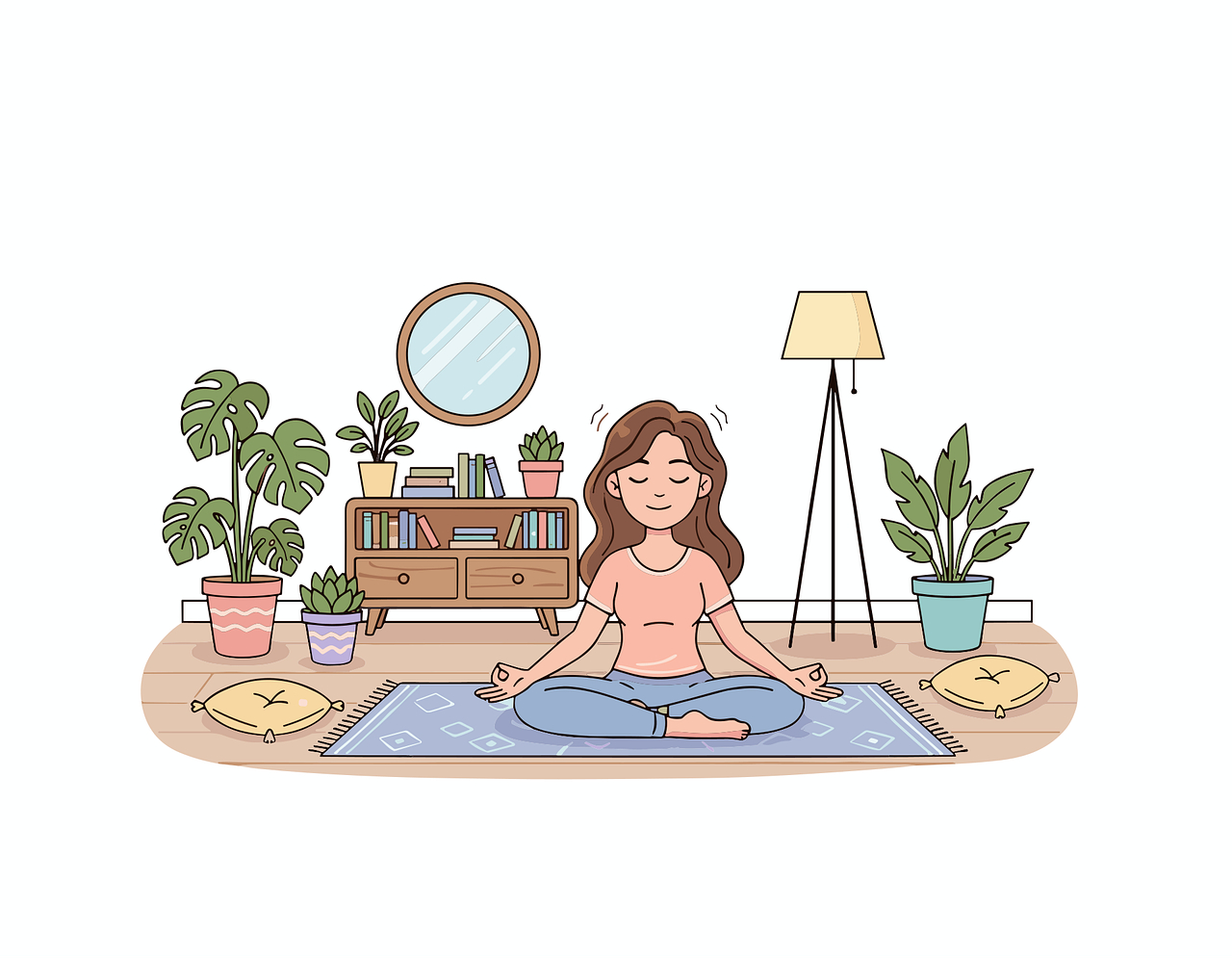
Creating a comfortable environment for guided breathing exercises is vital. Choose a quiet, serene space free from distractions. This environment enables you to focus entirely on your breath, making the experience more beneficial. Sit or lie down in a position that feels comfortable to you, ensuring your body is supported. Proper posture enhances breathing efficiency. Using cushions for support can provide additional comfort, allowing deeper relaxation. Once settled, take a moment to ground yourself; close your eyes and inhale gently. This practice allows you to enter a state of deep concentration. Setting a specific time can also heighten the effectiveness of guided breathing. Whether in the morning or before sleep, consistency reinforces the habit. Additionally, utilizing guided apps or recordings can be beneficial as they may provide careful instruction and timing. Engaging with professional guidance enhances your understanding of proper techniques. As you become accustomed to your routine, remember to listen to your body. If at any point you feel light-headed or uncomfortable, relax and return to normal breathing patterns. Cultivating a comfortable and safe space is absolutely essential for maximizing the benefits of guided breathing exercises.
Techniques for Enhanced Lung Capacity
Several techniques can be employed to optimize lung capacity during guided breathing exercises. The first technique is the 4-7-8 breathing method. This involves inhaling quietly for four seconds, holding the breath for seven seconds, then exhaling deeply for eight seconds. This rhythm promotes relaxation and enhances lung function. Another essential technique is pursed lip breathing. This strategy involves inhaling through the nose and exhaling through pursed lips, creating a slight resistance. This predictable rhythm facilitates better airflow control and encourages full exhalation. Practicing this method helps keep the airways open for longer. Additionally, diaphragmatic breathing promotes complete oxygen exchange by focusing on engaging the diaphragm below the ribcage. To practice this, place one hand on your chest and another on your abdomen. Aim to ensure that only the hand on your abdomen rises while breathing in. Lastly, you can try breath counting, which fosters respiration awareness. Listening to your breathing patterns while counting helps in maintaining rhythm and focus during exercises. Employing these techniques provides a diverse toolkit tailored to individual preferences, significantly enhancing lung capacity and overall respiratory efficiency.
It is important to incorporate guided breathing exercises into various daily activities. In moments of stress, these exercises can be a reliable tool for recalibrating the mind and body. Practicing during breaks, whether at work or home, promotes mental clarity and reduces tension. Such exercises can also be invaluable during physical activities or sports. Before exercising, taking a moment to engage in guided breathing can prepare the body for increased effort. Improved oxygen exchange facilitates enhanced endurance and performance. Moreover, individuals experiencing respiratory issues can particularly benefit from guided exercises. Such practices may alleviate symptoms associated with asthma, bronchitis, or other conditions. Learning to breathe effectively can empower individuals struggling with respiratory challenges. Additionally, complete breathing in moments of stillness enhances mindfulness and presents opportunities for self-reflection. Overall, the adaptability of guided breathing techniques confirms their relevance in diverse contexts across various stages of life. Engaging with these exercises brings calmness, a renewed focus on well-being, and effective lung capacity improvements. The journey of exploring guided breathing can benefit anyone interested in optimizing their health and wellness.
Conclusion
In conclusion, engaging in guided breathing exercises represents a powerful tool for enhancing lung capacity and overall well-being. By integrating these simple practices into your daily life, benefits will be witnessed quickly. Enhanced lung function dovetails with improved mental clarity and emotional stability. Implementing techniques such as diaphragmatic breathing, pursed lip breathing, or the 4-7-8 method offers variety and effectiveness. Furthermore, creating a supportive environment ensures relaxation and maximizes the potential of breathing exercises. The adaptability of these practices allows them to fit unstructured schedules, thereby promoting commitment. Consistency is critical to observe significant results. Whether seeking stress relief, improved athletic performance, or simply a calm moment of reflection, guided breathing serves many purposes. Developing the habit of proper breathing fosters a deeper connection with one’s body, enabling control over stress and enhancing overall health. As your lung capacity expands, so does your potential to embrace life fully. Take time to explore and discover the myriad benefits of guided breathing. Prioritize respiratory health as part of your overall wellness journey, ensuring a vibrant and fulfilling life moving forward.
By prioritizing guided breathing exercises, one can embark on a journey toward enhanced lung capacity and overall health. Start today and watch how these simple practices revolutionize your day-to-day life.