
Biofeedback as a Motivational Tool in Breathwork and Fitness Programs
The integration of biofeedback into breathwork and fitness programs represents a unique approach to personal development. Biofeedback is a technique that enables individuals to monitor their physiological responses and learn how to control them. In breathwork, this technique can enhance the awareness of one’s breathing patterns. Through various tools like heart rate monitors or breathing sensors, individuals can receive real-time feedback on their breath’s effectiveness. This instant feedback can significantly motivate individuals participating in breathwork sessions, guiding them to optimize their breathing techniques. Enhanced awareness can lead to improved performance, as individuals learn to associate specific breathing patterns with relaxation and focus. Moreover, instructors can utilize biofeedback data to tailor sessions based on the individual needs of participants. For instance, if a participant struggles with controlling their breath, instructors can provide personalized strategies. In doing so, the outcome aims to boost confidence and encourage continuous improvement in breathwork proficiency while maintaining safety and effectiveness during physical activities.
Incorporating biofeedback within fitness regimens has transformative potential, shaping both mental and physical well-being. By allowing individuals to visualize their biological processes, biofeedback becomes an engaging element of a comprehensive fitness program. One primary advantage lies in its capacity to foster motivation during workouts. As participants see immediate enhancements in their performance, it encourages them to keep pushing their limits. For example, when using biofeedback devices during exercise sessions, users can observe their breathing rates and heart efficiency, appreciating how physiological changes correlate with various activities. Increased awareness leads to better understanding and control, which further instills confidence in their ability to reach fitness goals. By fostering a sense of accomplishment, fitness enthusiasts are driven to engage in their routines consistently. Furthermore, trainers can leverage biofeedback insights to modify training plans, ensuring that individuals are pushed appropriately based on their physiological feedback. This capability helps in avoiding potential injuries, making the training process both effective and safer.
The Science Behind Biofeedback and Breathwork
Understanding the scientific foundations of biofeedback and breathwork is essential for harnessing their full potential in fitness applications. The mechanism involves measuring physiological processes such as heart rate, blood pressure, and muscle tension. Devices that facilitate biofeedback provide data that individuals can interpret to enhance their breathing techniques. The connection between breath and physiological responses is well established in many studies. For instance, deep, controlled breathing can lower heart rates and reduce anxiety, making breathwork a powerful tool in stress management. Biofeedback serves as a bridge between awareness and control, empowering participants to take charge of their physiological state. As individuals engage with biofeedback during breathwork, they learn to recognize patterns that lead to optimal states of relaxation or activation. Additionally, competitive athletes benefit from this knowledge, using breath control and biofeedback to reach peak performance levels during competitions. The scientific rationale underscores breathwork practices’ effectiveness as a motivational and performance-enhancing strategy.
Biofeedback techniques can be particularly effective for individuals embarking on personal wellness journeys. As people engage with breathwork practices, they often encounter difficulties managing stress and anxiety. The incorporation of biofeedback helps mitigate these challenges by offering immediate feedback on their biological state. For example, individuals can engage with a biofeedback app that tracks their heart rate variability during breathing exercises. As they learn how certain breathing exercises impact their heart rates, they become more attuned to their bodies. This awareness allows them to make informed decisions about their stress management strategies, leading to more profound overall health benefits. Moreover, regular practice of biofeedback-informed breathwork can create lasting changes in how individuals respond to stressors. This transformation encourages a proactive attitude toward health, rather than a reactive one. As individuals learn to regulate their physiological responses through biofeedback, they cultivate resilience to stress and anxiety triggers. This newfound control empowers participants to navigate challenges with greater ease, reinforcing the value of integrating biofeedback into regular breathwork sessions.
Implementing Biofeedback in Group Settings
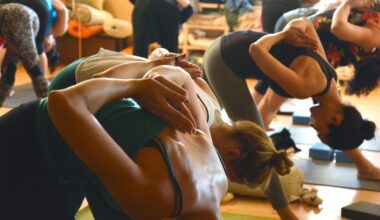
Implementing biofeedback technology in group breathwork sessions can further enhance the motivational experience for participants. By fostering a shared learning environment, groups can collectively benefit from real-time feedback. Instructors can monitor the physiological responses of multiple participants, tailoring guidance to suit the group’s overall dynamics. For example, if most attendees display high heart rates during relaxation exercises, instructors can adjust the session can encourage deeper breathing techniques and suggest modifications. Moreover, collective observations, when shared among group members, create a supportive atmosphere. Participants can inspire and motivate each other as they share progress and challenges. Engaging with biofeedback within group settings also provides an opportunity to establish healthy competition among participants. For example, gamifying certain aspects of breathwork can foster motivation, incentivizing individuals to reach targets or improve their scores. This camaraderie enhances commitment to practice outside the group sessions. Celebrating collective achievements can strengthen bonds among participants, encouraging a sense of community focused on health and well-being. This supportive network can drive further engagement in breathwork practices and fitness routines.
As biofeedback technology evolves, more affordable and user-friendly devices become available to the wider public. Options like wearable fitness trackers or smartphone applications increase access to biofeedback tools, allowing individuals to incorporate them into daily routines. With ease of access, more people can experience the benefits of monitoring their breath patterns and physiological data outside of formal settings. Such integration empowers individuals to self-regulate their health by being aware of their body’s signals throughout the day. For example, simple breath-focused mobile apps can remind users to practice deep breathing during stressful moments or provide guided sessions when needed. This accessibility significantly enhances the role of breathwork practices in daily life. Besides, educational resources on biofeedback are also becoming more widespread, with numerous online platforms offering insights and support for integrating these techniques into personal routines. This availability of information can motivate people to explore breathwork and biofeedback applications actively. By fostering a culture of self-awareness and personal growth, biofeedback can lead to healthier lifestyles, improved fitness levels, and enhanced mental resilience.
Conclusion: The Future of Biofeedback in Breathwork
In conclusion, the inclusion of biofeedback in breathwork and fitness programs holds tremendous potential for personal growth and development. By fostering self-awareness, motivation, and resilience, biofeedback empowers individuals to take control of their physiological responses. As knowledge and technology progress, adopting biofeedback techniques will likely become more widespread within fitness and wellness communities. Not only does it provide immediate insights into one’s performance, but it also fosters deeper connections between mental and physical states. As practitioners become more skilled in breathwork, the impact of biofeedback will enhance overall experiences. The fusion of technology and holistic approaches presents a promising future in enhancing well-being. Moreover, as collective practices become more commonplace, individuals can draw strength and inspiration from shared journeys. Supportive environments foster personal accountability, while technology serves as a bridge to self-discovery and improved health outcomes. As individuals, communities, and fitness professionals embrace this integration, the journey into optimal breathing techniques will lead to a healthier, happier society.
Finally, the benefits of biofeedback extend beyond immediate physical fitness. Its applications reach mental health, stress management, and overall wellness, creating a comprehensive pathway for healthier living. As individuals continue to explore the relationship between breathing and physiological responses, they will uncover deeper levels of understanding. By embracing this holistic approach, the integration of biofeedback and breathwork can lead to transformative experiences. Participants can cultivate self-confidence, improve mental clarity, and enhance lifestyle choices through consistent practice and support. The empowerment derived from learning to control one’s breath can resonate across various aspects of life, ultimately influencing key decisions and actions. With ongoing advancements in biofeedback technology, including user-friendly interfaces and engaging platforms, it becomes increasingly straightforward for individuals to monitor and adjust their breathing patterns effectively. In the coming years, as awareness surrounding mental health and well-being gains traction, biofeedback’s role in personal development will likely become more significant. The evolution of breathwork practices, paired with biofeedback insights, enables transformative shifts towards a healthier, more balanced life, fostering well-being for generations to come.