
The Role of Fiber in Weight Loss Meal Preparation
Planning meals with a focus on fiber is essential for weight loss success. Fiber-rich foods help to improve digestion and can aid in achieving your weight loss goals. Incorporating these foods into your meal preparation means selecting items that not only provide essential nutrients but will also keep you feeling full longer. Every meal you prepare can be a vehicle for increasing your fiber intake. Begin by including choices like whole grains, fruits, and vegetables into your recipes. Consider placing fiber-rich items at the forefront of your meals to emphasize their importance. Cooking methods can also affect fiber’s effectiveness; opt for steaming or roasting instead of frying. To help you plan, make a list of fiber-rich foods you enjoy. This approach makes grocery shopping more straightforward and can enhance meal creativity. Don’t forget to read labels while shopping, as they provide valuable information regarding fiber content. Your goal should be to aim for at least 25 grams of fiber daily. Following these steps will help pave the way toward achieving your weight loss journey through effective meal preparation.
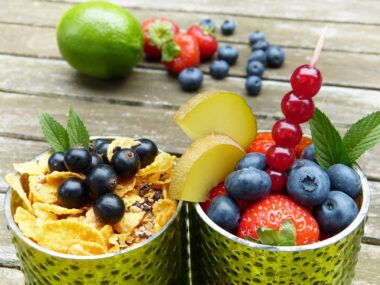
Meal planning can be greatly enhanced by understanding the different types of fiber. There are two primary categories: soluble and insoluble. Soluble fiber can be found in foods like oats, legumes, and fruits. It dissolves in water and slows digestion, which aids in keeping blood sugar levels stable and ensures lasting energy throughout the day. Insoluble fiber, found in whole grains, seeds, and vegetables, adds bulk to your meals and aids in regular bowel movements. Each type serves different purposes for the body and makes weight loss easier by promoting satiety. When planning your meals, strive for a balance of both fiber types to optimize health benefits and weight loss. This way, you not only cater to your hunger but also support your body’s digestive health. For instance, you could combine oatmeal (soluble) with berries (soluble) and almonds (insoluble) for breakfast. Furthermore, incorporating fiber into meals doesn’t have to be complicated. Simple adjustments—such as adding vegetables to your stir-fries or substituting white rice for quinoa—can significantly impact your daily intake.
Implementing fiber-rich foods into your weight loss meal planning can be enjoyable and rewarding. The preparation of meals often becomes more enjoyable when using colorful vegetables and delicious grains. When you’re excited about the food you’re making, it becomes easier to stick to your weight loss plan. One of the best strategies is to create a weekly meal plan that includes breakfast, lunch, dinner, and even snacks. Incorporate diverse recipes featuring a variety of fiber sources such as lentil soup, chickpea salad, and stuffed peppers. Additionally, consider prepping multiple servings in advance to ease time constraints later in the week. Having meals ready to go can help you avoid unhealthy food choices when hunger strikes. Consider dedicating a day, such as Sunday, for meal prep where you can chop vegetables, cook grains, and portion out meals. Storage is key; use clear containers to maximize visibility and encourage healthy choices. The more accessible your fiber-rich meals are, the more likely you are to maintain a healthy diet. Ultimately, meal prep is about creating balance and avoiding frustration in your weight loss journey.
Beyond Basic Meal Prep
There are several tips that can take your weight loss meal preps to the next level. One effective approach is to incorporate meal diversity into your weekly menus. This avoids the all-too-common issue of meal fatigue that can derail commitment to a healthy lifestyle. Rotate your fiber sources and experiment with different cooking methods to keep meals interesting. Try roasting vegetables instead of steaming them or grilling your proteins rather than baking. Flavor is also important; using a variety of spices and herbs can dramatically enhance your meals without adding extra calories. When meals are tasty and appealing, they foster adherence to your weight loss strategies. Furthermore, don’t underestimate the power of visualization. Keeping a food diary or using apps to track fiber intake can motivate you to adhere to your fiber goals. Tracking also helps identify areas for improvement in your diet. Connecting fiber consumption to its health benefits can boost motivation. Engage family and friends in your journey to weight loss, allowing them to share tips and support your meal prep efforts as well.
When you integrate fiber into your meals for weight loss, taking portion sizes into account is crucial. Understand that even with healthy choices, portion control plays a vital role in meeting weight loss objectives. While fiber can assist in feeling full, overeating even healthy foods can hinder weight loss progress. To assist with portion sizing, utilizing measuring cups or a kitchen scale can be beneficial. Additionally, plating strategies, such as using smaller plates, can help manage serving sizes. Emphasize visual cues that promote smaller portions while still enjoying meals. When fiber-rich foods make up a substantial part of your meal, they naturally displace higher-calorie items—this aids satiety with lower caloric intake. Another helpful tip is to consume water prior to meals; it can help fill your stomach, leading to reduced food intake. Moreover, savoring each bite and eating slowly enhances the dining experience and fosters mindfulness. Overall, combining fiber-rich foods with mindful eating practices can contribute significantly to weight loss success and establish a healthier relationship with food.
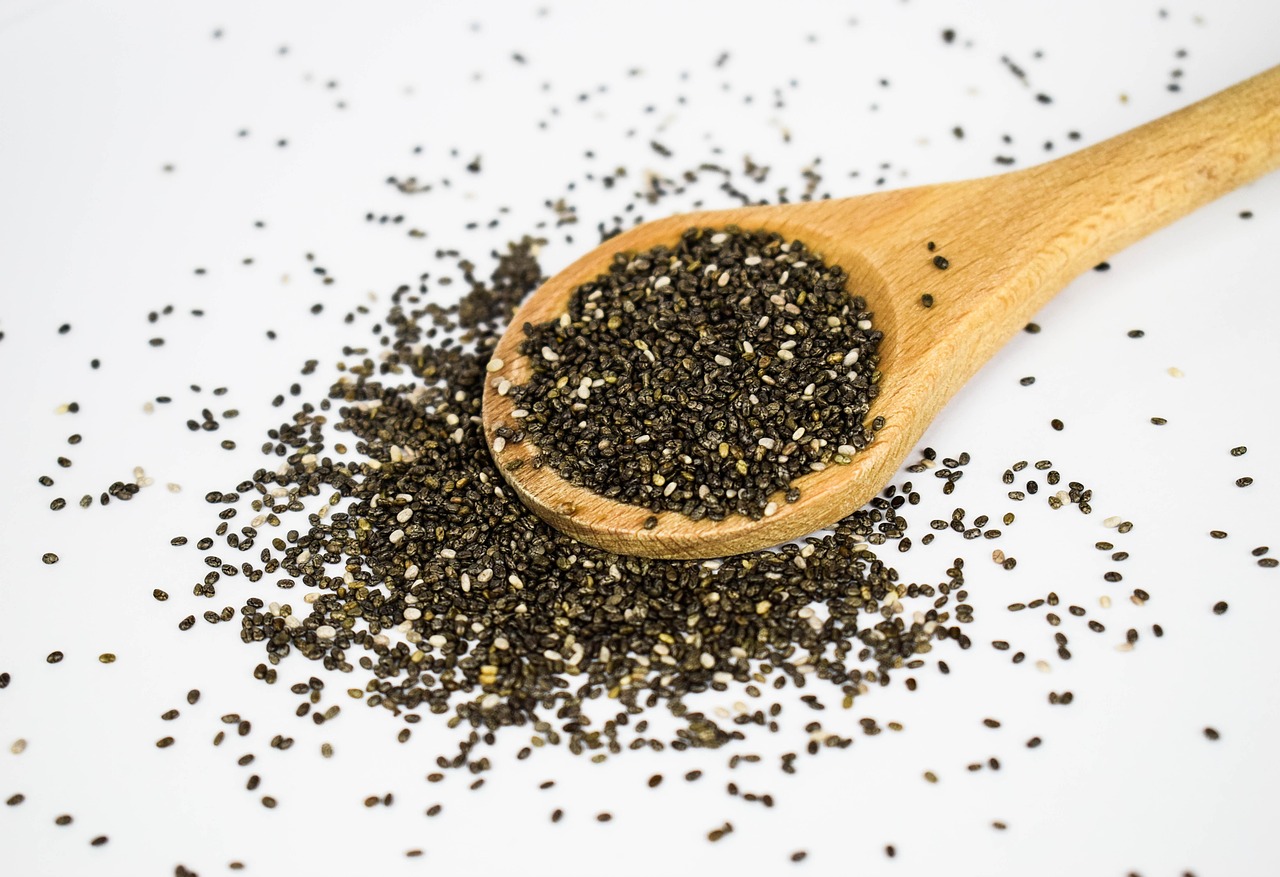
Variety is essential in creating successful weight loss meal plans centered around fiber. Try to think outside the box when preparing meals. Items like chia seeds and flaxseeds are excellent sources of fiber and can be added to smoothies or yogurts. Replacing typical snacks with fiber-rich options, like air-popped popcorn or baked apples, can provide satisfying alternatives. Not only can these substitutions help curb cravings, but they also offer an abundance of nutrients. More so, aim to integrate seasonal foods into your fiber planning, as they tend to be fresher and more flavorful. Seasonal fruits and vegetables can also be cost-effective, making it easier for you to stick to a budget while pursuing your meal prep goals. By exploring local farmers’ markets or grocery stores, you can often discover unique fiber-rich foods that might not be part of your usual repertoire. Using these strategies enhances both meal planning and preparation while keeping fiber intake exciting and diverse. Each meal can not only nourish the body but also invigorate the palette, supporting sustainable weight loss habits.
Conclusion
Incorporating fiber into your weight loss meal preparation is a powerful strategy for improved health and sustained weight loss. By thoughtfully planning meals that highlight fiber-rich foods, you promote satiety, improve digestion, and support overall wellness. Success hinges on diversifying your meals, being mindful of portion sizes, and employing creative cooking methods. Your weekly meal planning can evolve into a positive, enjoyable endeavor that’s likely to yield lasting effects on your weight loss journey. Tracking progress and engaging with supportive communities can bolster motivation and reinforce commitment. Following simple steps such as shopping with a list, cooking in bulk, and trying new recipes can make fiber-rich meals more accessible and enjoyable in your life. A little creativity can go a long way. Embracing a lifestyle that emphasizes fiber not only aids in weight loss but can enhance health markers, improve metabolism, and fuel your daily activities. Stay inspired by continuously exploring new dishes and flavors that align with your nutritional goals. The journey toward weight loss is continuous, and implementing fiber will ensure you enjoy every step along the way.
In the realm of weight loss, understanding the role of fiber presents you with endless opportunities to enhance yours meals and focus on achieving fitness goals. Not only is fiber nutritious, it also contributes to feeling fuller longer, which is beneficial during weight loss. Leveraging this knowledge allows you to create diverse, delicious, and satisfying meals that incorporate these powerhouse ingredients effortlessly into your everyday cooking. When planning your weekly meals, start with a foundation made of fiber-rich items, allowing variety to grow from those bases. You may flourish by diving into creative cooking techniques that excite your palate while simultaneously adhering to health-conscious principles. Reinvent meals to include both traditional and innovative approaches to fiber, prioritizing ingredients that nurture your body. Ultimately, being strategic about fiber inclusion will yield positive results not only in weight loss but in overall well-being. Each ingredient plays a key role, forming unique connections between taste, health, and satisfaction. Adopting these methods guarantees long-term success in your weight loss journey while promoting a balanced lifestyle.