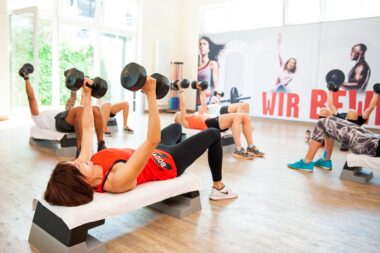

The Role of Social Support in Gym Workout Group Classes
Social support significantly enhances the experience of gym workout group classes. When individuals engage in fitness activities with others, they often find increased motivation and accountability. In a group setting, participants benefit from shared goals and encouragement. For many, the camaraderie formed contributes greatly to staying committed. A supportive environment can be instrumental in overcoming workout barriers. Group classes enable individuals to face fitness challenges collectively. Moreover, the positive interactions can lead to forming lasting friendships, making workouts more enjoyable. Regular attendance fosters a sense of belonging, establishing a community. This community aspect supports members in their health journeys, creating shared memories and experiences. Participating in group workouts allows individuals to share their struggles and triumphs, fostering empathy. Group dynamics can make each session more motivating, as members cheer one another on. This positive reinforcement leads to improved mental well-being, promoting overall happiness. Ultimately, social support in group classes reflects not just an exercise commitment but a deeper connection among participants, underlining the importance of community in pursuit of fitness goals.
The mental benefits of social interactions in gym workout group classes are profound. Research indicates that people who workout in groups often report less stress and anxiety. The shared experience of pushing through tough routines can foster stronger interpersonal bonds. When individuals share a common goal, they naturally develop a deeper understanding of each other. This understanding serves to enhance motivation and create a supportive atmosphere. Participants feel less isolated during workouts, as they share both triumphs and setbacks. Such support often leads to increased adherence to fitness plans, as friends or peers encourage one another towards better performance. Additionally, the positive reinforcement experienced in these group settings motivates individuals to return consistently. Having workout partners creates a social contract, where missing a session might prompt concern from peers. Moreover, individuals often feel more compelled to give their best effort, driven by group expectations. This environment promotes not just fitness improvements but also boosts self-esteem. Thus, these group classes combine social support with physical exercise to foster both mental strength and personal accountability, resulting in a comprehensive wellness approach.
Moreover, personal trainers play a crucial role in enhancing social support within gym workout group classes. They establish routines that consider group dynamics and individual capabilities. The trainers foster an inclusive atmosphere by ensuring everyone feels welcomed and valued. They often design workouts that require teamwork, which further strengthens bonds among participants. When members support each other under the guidance of a trainer, they experience collective growth. Trainers can facilitate challenges that require cooperation, thereby enhancing social interactions. Each member feels empowered to express themselves, leading to open dialogues about fitness journeys. This openness nurtures trust and deeper connections. Furthermore, trainers often share success stories of group members, which inspires others to push harder. These stories create an environment where encouragement flows freely. By promoting friendly competitions or setting collective goals, trainers help forge a supportive team spirit. This spirit often leads to an increase in overall satisfaction with the workout experience. As a result, the combination of a trained professional and supportive peers significantly boosts individual performance in achieving fitness objectives.
It’s also noteworthy that group classes cater to diverse fitness levels, making inclusivity a priority. Participants often bring varying skills, fitness backgrounds, and expectations. In a supportive group class, members can share tips and personal experiences. This diversity enriches the workout environment, where more experienced individuals mentor novices. The shared language of fitness breaks barriers, promoting friendships among participants with different backgrounds. Older members often inspire younger ones, showcasing that age varies in endurance or strength. This dynamic encourages participants to appreciate their unique fitness journeys. Consequently, the class atmosphere fosters respect among varying levels of expertise. Furthermore, group classes often feature adaptations to accommodate beginners or advanced athletes alike. Inclusive practices allow everyone to thrive in their unique capacities, making improvements possible at any stage. Additionally, social interactions can lead to healthy peer pressure, where participants urge one another to achieve personal bests. As members feel recognized and appreciated for their efforts, self-confidence builds. Such an atmosphere ultimately cultivates resilience, where performers keep pushing boundaries and embracing challenges collectively. Inclusive classes exemplify the power of support in achieving fitness goals.
Creating a Supportive Atmosphere
To maximize the benefits of social support, instructors can take several steps. It’s essential to cultivate a welcoming and non-competitive atmosphere. Ice-breaking exercises at the start of classes can help participants get to know each other, breaking down initial barriers. Mixed activities, including partner workouts or team challenges, can enhance connections among participants. Additionally, celebrating milestones creates a collaborative spirit, reinforcing the importance of community. Recognizing individual progress during sessions builds confidence and camaraderie. It’s also beneficial to encourage peer interactions outside the gym, potentially strengthening friendships further. Forms of communication through social media create platforms for members to share experiences and motivate each other’s fitness journeys at home. Regular check-ins can help ensure everyone feels included and engaged. Moreover, instructors can encourage members to pair up for additional workouts outside class hours. Ultimately, the primary goal is to create an environment where participants feel comfortable expressing themselves. A supportive atmosphere emphasizes mutual encouragement and collective celebration. It positions everyone to succeed while fostering a lasting sense of belonging and motivation.
The effectiveness of group classes is further enhanced by shared challenges and common goals. When participants set collective fitness objectives, they unite towards a shared ambition. Examples include preparing for races together, weight loss challenges, or group fitness events. These goals breed motivation and accountability, weaving social ties even tighter. Members often rally to support each other’s efforts, further solidifying friendships within the gym. The energy that comes from achieving goals as a team can be immensely powerful. Celebrating individual and group achievements serves to reinforce motivation, as every personal victory contributes to the group’s identity. Participants may also have opportunities to participate in activities outside gym settings, such as hiking or community events. These shared experiences create bonds that transcend the gym walls, nurturing relationships. Ultimately, success in group classes is not solely measured by individual gains but by the collective effectiveness of the group. This collective journey demonstrates that fitness is as much about community as it is about personal achievement. Each member’s contribution builds a supportive foundation upon which strength and resilience flourish.
In conclusion, social support plays an integral role in the effectiveness of gym workout group classes. When individuals come together in a group, they not only enhance their workout effectiveness but also cultivate meaningful relationships. These connections can lead to long-term commitments to fitness and wellness. Participants experience increased motivation, enhanced emotional well-being, and improved results through social support. Furthermore, the inclusive nature of group classes allows for individuals from various backgrounds to connect, share their stories, and encourage each other. Ultimately, the multifaceted support system found in these group classes can transform the fitness journey into a communal experience. In this journey, members recognize the importance of collaboration, empowerment, and friendship. Therefore, when considering workout options, group classes emerge as a powerful avenue for achieving fitness goals while simultaneously building a supportive community. Members walk away not merely having completed a workout, but having formed lasting connections that enrich their lives. Reinforcing the role of social support helps shape healthier lifestyle choices, where exercise becomes an enjoyable part of daily routine, surrounded by encouragement and understanding.