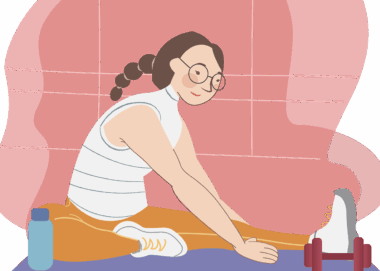

Effective Use of Light Cardio in HIIT Warm-up
Starting your HIIT session with a well-structured warm-up is critical for performance and injury prevention. Light cardio, such as jogging or cycling, helps raise the body’s temperature, increasing blood flow to the muscles. This process helps make muscles more pliable and ready for the high-intensity workout that follows. Engaging in light cardio before HIIT also enables the cardiovascular system to adapt progressively. By gradually elevating heart rate, one can ensure better heart efficiency during the intense bursts of activity. Including movements similar to those in the main workout within your light cardio routine can enhance muscle memory. Additionally, light cardio warms up the joints, reducing the risk of strains and sprains. Consistency in your warm-up routine leads to better results across workout sessions. Many trainers recommend dedicating at least five to ten minutes to light cardio before initiating HIIT circuits. The inclusion of dynamic stretches in combination with light cardio further enhances mobility. Overall, this approach helps fully prepare the body and mind, ensuring you maximize the benefits of the HIIT workout effectively and safely.
One of the best ways to incorporate light cardio into your HIIT warm-up involves diversity in the movements you select. Mixing different activities keeps your routine engaging and lowers monotony. For instance, while jogging, you might incorporate high knees, butt kicks, and side shuffles. These variations stimulate distinct muscle groups, providing a more comprehensive warm-up. It’s also essential to choose movements that reflect the intensity of the exercises you will perform during your HIIT training. For example, if your workout includes explosive movements like burpees or jump squats, including some moderate jumping during your warm-up is beneficial. Furthermore, consider the duration of your warm-up based on the intensity of the workout ahead. Higher intensity workouts may require a longer warm-up. Hydration goes hand-in-hand with your warm-up. Ensuring you are adequately hydrated before beginning light cardio can improve performance. Moreover, listening to your body is critical; if something feels stiff, spend additional time warming up that area. Ultimately, preparing your body correctly significantly contributes to enhanced performance and minimizes the likelihood of injury during intense sessions.
Creating a Balanced Light Cardio Routine
In designing a fruitful light cardio routine for HIIT, consider incorporating various forms of exercises to engage multiple muscle groups effectively. Including both aerobic exercises, like cycling, and dynamic movements, such as lunges or arm circles, creates a comprehensive warm-up. Resistance bands can also aid during warm-up; they activate muscle fibers, preparing them for upcoming exertion. It’s vital to balance the intensity of your light cardio with the type of exercises within your HIIT workout. This strategy ensures you don’t fatigue yourself before the main session begins. Monitoring your heart rate during this phase allows for adjustments as necessary. Aim to reach about 60-70% of your maximum heart rate, stimulating effective cardiovascular adaptation. Transition smoothly between exercises but maintain an active state to avoid cooling down between sets. Music can elevate your mood and keep you motivated during your warm-up routine. Choose upbeat tempos to energize your session. Post warm-up, perform a few dynamic stretches targeting regions most engaged during HIIT. This aspect of preparation contributes significantly to overall flexibility and suppleness. A well-planned warm-up enhances both performance and enjoyment of HIIT.
While light cardio is typically perceived as a preparatory exercise, it carries immense psychological benefits as well. Engaging in a warm-up helps mentally prepare for the intensity of HIIT. It establishes a workout mindset, allowing you to focus on achieving your fitness goals. Visualizing the session and mentally rehearsing techniques can enhance performance while reducing anxiety about the high exertion levels that follow. The warm-up phase also serves as a good time for assessment; evaluating how your body feels and making adjustments to planned exercises is vital. If certain areas feel tight, consider modifying your workout to avoid injury. Additionally, this mental preparation helps promote a positive workout experience. Connecting with your breath during light cardio not only enhances physical performance but also your emotional state. Establishing a rhythmic pattern between breath and movement engages the body fully, making workouts feel more fluid and enjoyable. This connection also aids in preventing fatigue later during intense bursts of HIIT. To further aid mental focus, consider briefly setting intentions for what you wish to accomplish through your workout today. Having a clear goal can remarkably improve your output.
The Importance of Post-Workout Cool Down
After a rigorous HIIT session, equally critical is the cool-down routine. Neglecting this aspect can lead to prolonged muscle soreness and reduced recovery times. Implementing a structured cool-down allows your heart rate to return trendily to its normal levels. Gradually decreasing the intensity helps your body adapt and replenish oxygen levels. During this cool-down phase, engaging in light cardio such as walking or gentle cycling is beneficial. Additionally, incorporating static stretches tailored to the muscles utilised during your workout is highly effective. This practice aids in enhancing flexibility and improves overall range of motion. Target key muscle groups like hamstrings, quads, and shoulders. Offer static stretches for at least 15-30 seconds each to maximize the benefit. Utilizing foam rollers can also provide myofascial release; this can relieve tension and address muscle tightness accumulated during the HIIT workout. Furthermore, hydration during your cool-down should not be overlooked; replenishing fluids aids in recovery. Taking time for this stage not only minimizes muscle soreness but also enhances overall workout effectiveness. In the long run, these practices contribute to higher longevity in fitness and better performance in subsequent sessions.
Tracking the impact of warm-ups and cool-downs on your HIIT performance can offer valuable insights. Keeping a workout diary helps identify what works best for your body. Recording how your body feels during the various stages provides data for future reference. Consider annotating your energy levels, heart rates, and overall satisfaction with your workouts. This method also encourages accountability in maintaining routine, ensuring you consistently incorporate warm-ups and cool-downs. Utilizing fitness tracking apps or smartwatches can enhance this process, giving real-time data on heart rate and caloric expenditure. Analyzing this data can show trends over time, indicating how effectively your body adjusts to workout patterns. Adjust your warm-up and cool-down routines based on these insights to ensure they remain effective. This adaptability promotes both continual improvements and injury prevention. As fitness levels advance, gradually increasing the intensity or complexity of warm-ups can keep challenging the body. Overall, this conscious approach significantly raises the effectiveness of HIIT workouts, enhancing overall well-being. Investing in recovery and preparation leads to productive training outcomes and sustainable fitness progress.
Conclusion: Optimizing Your HIIT Experience
To optimize your overall HIIT experience, integrating effective warm-ups and cool-downs is vital. A well-prepared body is better equipped to face the high demands of intense training. Begin with light cardio that aligns with your fitness goals while engaging various muscle groups effectively. Remember to transition your movements smoothly, maintaining a level of exertion throughout the warm-up. The psychological benefits of preparation, along with physical readiness, firmly set the stage for successful HIIT sessions. Likewise, do not underestimate the importance of cooling down; providing your muscles an opportunity to relax and recover is essential for sustained progress. Pay attention to hydration, flexibility, and body feedback throughout all phases of your workout regimen. Taking careful steps now can lead to a more enjoyable fitness journey. Use your workout diary to monitor progression, ensuring adjustments are based on your body’s needs and improvements. Overall, remember that consistency in both warm-up and cool-down practices yields substantial long-term rewards. Ultimately, optimizing these phases promotes not only physical results but mental resilience that embodies a holistic approach to health and fitness.