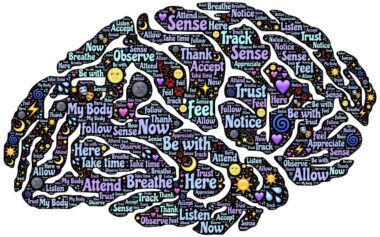

The Role of Mindfulness in Chronic Illness Management
Mental health plays a crucial role in managing chronic illness, focusing on strategies that foster positive emotional well-being. Chronic illnesses, such as diabetes, heart disease, and arthritis, not only demand physical treatment but also require psychological support. Mindfulness, a practice rooted in ancient traditions, has gained popularity in recent years for its benefits in enhancing mental health. This approach emphasizes present-moment awareness, helping individuals become more attuned to their thoughts, feelings, and bodily sensations. By practicing mindfulness, those with chronic illnesses can learn to navigate their experiences with greater ease. They often find relief from anxiety and depression, which frequently accompany such health conditions. Stress management is a key component in chronic illness management, as stress can exacerbate physical symptoms. Studies suggest that mindfulness can effectively reduce stress levels, enabling individuals to cope better with their ongoing health challenges. Ultimately, integrating mindfulness practices into daily routines may lead to improved overall quality of life for those managing chronic illnesses. Engaging in mindfulness fosters resilience and aids individuals in developing coping mechanisms necessary for better mental health.
With the ongoing rise of mindfulness practices amid various health trends, it becomes clear that their adoption is not just a fad. Chronic illness management calls for innovative strategies that accommodate the emotional turmoil associated with physical symptoms and limitations. Mindfulness can be an accessible tool, requiring little more than the commitment to practice regularly. The simple act of being present can create profound shifts in perspective regarding pain and discomfort. Mindfulness techniques like meditation, conscious breathing, and mindful movement cultivate awareness and openness toward one’s experiences. Moreover, these practices help in recognizing and releasing unhealthy thought patterns that can contribute to emotional distress. By fostering self-compassion and understanding, individuals often find themselves more empowered to take control of their health journeys. Mindfulness encourages a non-judgmental approach, allowing for acceptance without the urge to change immediate circumstances. This mindset shift can significantly enhance emotional resilience, enabling better management of daily challenges posed by chronic illness. By incorporating structured mindfulness exercises, healthcare providers and patients alike can work towards optimizing holistic health outcomes in chronic illness management.
The Benefits of Mindfulness for Chronic Patients
Practicing mindfulness offers numerous benefits specifically tailored for those dealing with chronic illness. One primary advantage is enhanced emotional regulation, allowing individuals to respond to challenges without overwhelming emotional responses. Mindfulness supports the practice of noticing thoughts and feelings without immediate judgment, fostering clear-headedness. For individuals facing fatigue or debilitating symptoms, mindfulness will teach them how to cultivate stillness, promoting relaxation and reducing tension. Research shows that people who engage in mindfulness practice report lower levels of discomfort and improved daily functioning. Additionally, mindfulness techniques help combat feelings of helplessness typical in managing long-term health conditions. Mindfulness cultivates empowerment through awareness of one’s thoughts, providing tools to navigate painful emotions positively. Furthermore, chronic patients often face significant social isolation; mindfulness can be easily practiced in groups, fostering community and connection. Focused mindfulness programs allow participants to share experiences, thus creating a supportive network. The combined effects of these factors lead to an overall improvement in mental well-being. As individuals become more adept at managing their emotional states, they are likely to experience a welcome improvement in their physical health as well.
Integrating mindfulness into healthcare practices can yield long-term enhancements in treatment outcomes for chronic illness. Hospitals and clinics increasingly promote mindfulness-based interventions as part of comprehensive healthcare plans. Professional programs, which include trained instructors, guide patients through structured mindfulness exercises tailored to individual needs. For those beginning their mindfulness journey, methods such as mindful journaling can foster both reflection and insight regarding their health experiences. Keeping a journal allows patients to document their feelings and thoughts, further enriching their adaptability to challenges posed by chronic illnesses. Various guided meditation apps are available as well, providing an accessible means for patients to practice at home. These tools can help demystify meditation concepts and make them approachable for beginners. It is essential for caregivers and healthcare advocates to encourage adopting mindfulness alongside traditional medical treatment. Educating patients about the interconnection between mental health and chronic illness will help facilitate this integration. Ultimately, the role of mindfulness in chronic illness management signifies a growing understanding of the person as a whole. Embracing this holistic approach can lead to more robust, sustainable health outcomes.
Practical Mindfulness Techniques for Daily Life
Implementing mindfulness techniques into daily routines can be transformative for individuals dealing with chronic illness. One practice is mindful breathing, where individuals focus on the rhythm of their breath to anchor themselves in the moment. This technique promotes relaxation and often can quickly reduce anxiety levels. Another effective strategy is progressive muscle relaxation, which entails tightening and relaxing different muscle groups in sequence. As individuals practice this method, they gain greater sensitivity to their bodies and can alleviate physical tension that often exacerbates chronic symptoms. Mindful eating is another practical application, encouraging patients to fully engage with the flavors, textures, and lengths of their mealtimes. This approach can help improve digestion while fostering a healthier relationship with food. Additionally, yoga and tai chi can blend mindfulness with gentle movement, helping individuals maintain physical strength without overexerting themselves. Anyone interested can begin these practices at home or join local classes designed for individuals facing chronic health conditions. Incorporating these techniques into everyday life does not have to be overwhelming, as each small effort counts toward building a mental toolkit for coping.
Mental health is integral to managing chronic illnesses effectively. Mindfulness practices nurture mental fortitude, helping individuals develop the resilience necessary to face daily health challenges. It’s crucial for healthcare professionals and families to support the adoption of these techniques, emphasizing therapy’s holistic nature. As individuals learn to cultivate mindfulness, they often experience reduced symptoms of anxiety and depression, which can overshadow chronic illness experiences. Furthermore, regular practice fosters a more profound connection to self, increasing empathy for one’s struggles. This empowerment begins to unravel limiting beliefs about their conditions, replacing self-doubt with hope. Patients who engage with mindfulness may also notice improved communication with healthcare providers, enhancing partnerships based on understanding and shared goals. Increased emotional intelligence gained through mindfulness can create stronger bonds with loved ones, reflecting the interconnected nature of mental and emotional well-being. These relationships contribute significantly to a more fulfilling life despite chronic illness obstacles. By aligning lifestyle changes with mindfulness practice, individuals can embrace a more purposefully directed life. Ultimately, integrating mindfulness into chronic illness management embodies an enriched approach that holistically supports healing and personal growth.
Conclusion: Embracing Mindfulness for a Healthier Future
In conclusion, embracing mindfulness holds significant potential for transforming the approach to managing chronic illnesses. Rather than viewing their conditions solely through the lens of physical limitations, individuals can find a path toward greater acceptance, resilience, and overall well-being. Increased awareness of their emotional landscape equips them with essential tools for navigating life’s complexities, particularly within the context of ongoing illnesses. Mindfulness offers a multifaceted framework that invites compassionate engagement with one’s experiences, thus enriching mental health. Future research surrounding mindfulness and chronic illness management will likely continue to yield valuable insights. As evidence mounts regarding its effectiveness, healthcare systems will increasingly embrace mindfulness practices as part of comprehensive care. As this transformation occurs, patients, caregivers, and communities can cultivate a more supportive and understanding environment. Through collective commitment, the ability to manage chronic illness can transcend mere survival. Embracing mental health as a critical component of chronic illness management reveals the profound interconnectedness of mind and body. Mindfulness not only aids in healing but also fosters a more meaningful existence amidst the challenges of chronic health battles. As we collectively advance into this mindful future, positive change awaits.