
The Impact of Music and Atmosphere in Pilates Events
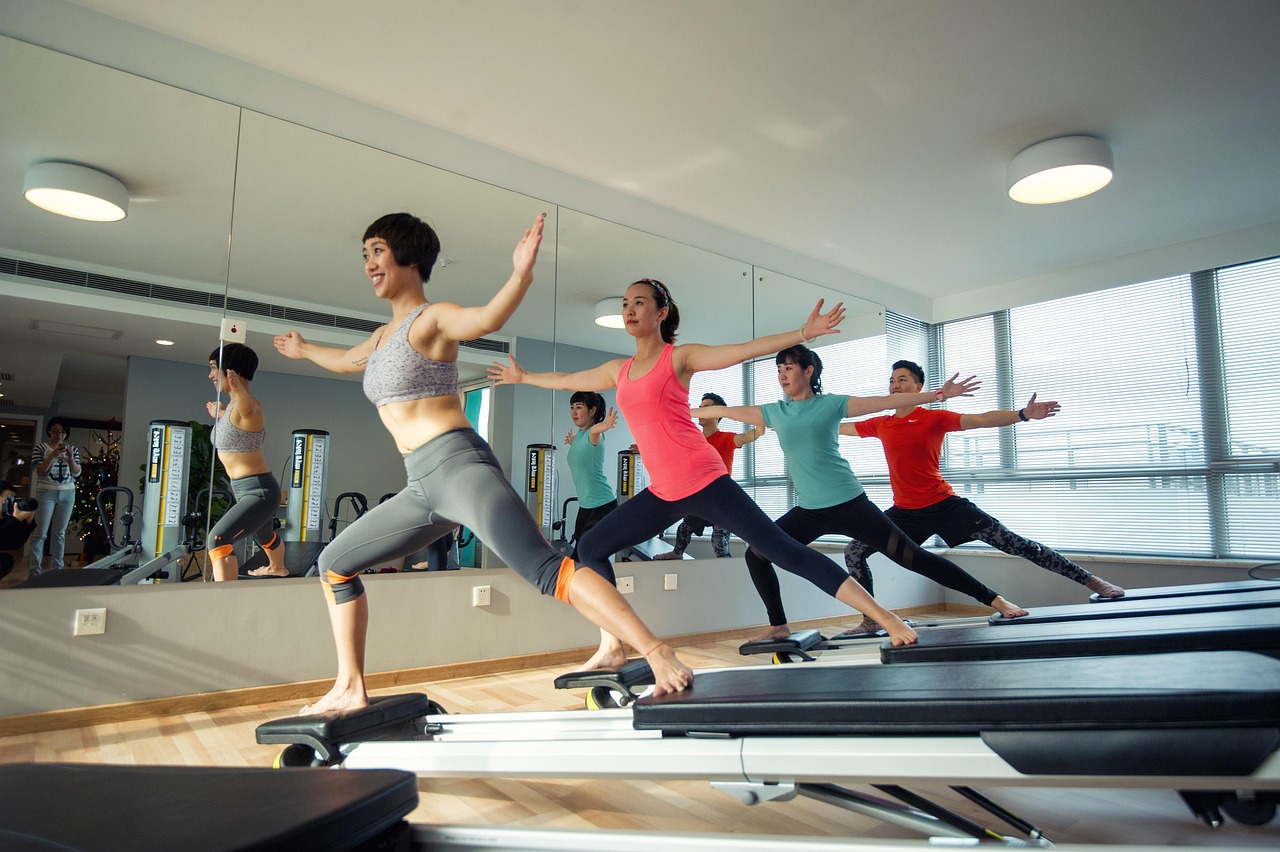
Creating the right atmosphere during Pilates workshops significantly influences participants’ experiences and outcomes. Music plays an integral role in establishing this atmosphere and directly impacts the ambiance of the class. By selecting the appropriate music, instructors can manipulate energy levels, emotions, and focus. For instance, calming melodies can enhance concentration, while upbeat tracks might invigorate the class atmosphere. This relationship prompts instructors to experiment with varying genres to find what resonates best with their students. Further factors contributing to an effective atmosphere include the studio’s settings, lighting, and decor. Engaging the senses through visual elements can add to the motivation and participation levels. An aesthetically pleasing space complements the quality of the session, fostering a serene and inviting environment. Instructors often use soft colors, plants, and strategically placed mirrors to create a harmonious space. Participants are more likely to feel comfortable when the surroundings evoke tranquility. Therefore, the ambience—shaped by both music and physical space—plays a crucial role in enhancing overall participant engagement and performance in the class.
Music Choices for Different Pilates Styles
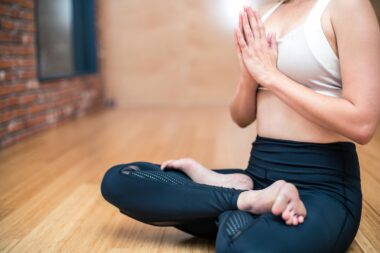
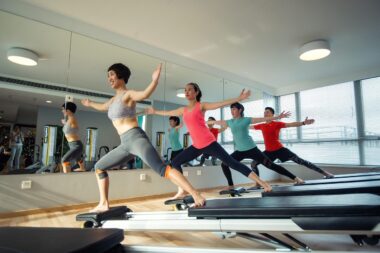
Different Pilates styles may necessitate distinct music choices to match their specific characteristics and goals. For example, in a Pilates reformer class, instructors may select rhythmic beats to keep the pace steady, supporting the flow of the movements. Conversely, mat classes often favor softer, instrumental music to encourage concentration and relaxation. This perceived rhythm in the music helps participants synchronize their breathing and movements, making the practice more fluid. At times, instructors curate playlists tailored to the session’s intensity. For high-energy classes, fast-paced music sparks motivation, whereas restorative sessions use slow-paced sounds to promote mindfulness and recovery. It’s essential for instructors to gauge their participants’ preferences, as this can influence the effectiveness of the chosen music. Feedback from clients can guide instructors in refining their selections. Furthermore, diversifying music styles keeps sessions engaging and fresh. Instructors can consider incorporating world music, classical pieces, or even soundscapes for an enriching experience. Understanding the connection between musical choices and the benefits of each Pilates session can elevate both instructor and participant engagement.
Creating a Comfortable Environment
Equally important as music is the physical environment in which Pilates events take place. A comfortable, well-organized space allows participants to fully engage and enjoy their sessions. Factors like temperature control, cleanliness, and noise levels can significantly influence practitioners’ focus. Instructors should aim to create an inviting atmosphere where participants feel at ease and ready to practice. Ideal temperatures help maintain energy levels, while a quiet background minimizes distractions. Additionally, ensuring adequate ventilation allows for better air quality, which supports performance during exercises. Attention to detail also includes the availability of necessary props, mats, and equipment. Ensuring that all materials are easily accessible enhances the flow of the class. Instructors can further enhance comfort by offering options for participants to customize their experience, such as choosing different support levels or adjustments. Emphasizing a personal touch invites each participant to feel catered to and valued. This level of consideration has the potential not only to elevate participation rates but also to foster a community connection among attendees, making workshops more fulfilling.
Often, community engagement is a vital aspect of successful Pilates workshops. Organizing social events pre or post-class enhances relationships and strengthens connections between participants. When community bonds grow, individuals may feel more compelled to attend regularly and become invested in their practice. Instructors also benefit from cultivating a positive atmosphere among students, opening the door to improved group synergy. Collaborative workshops that encourage interaction can instill a supportive environment that nurtures growth and learning. Fostering this sense of togetherness is instrumental in maintaining an open communication channel, where participants feel comfortable seeking guidance and sharing experiences. Instructors can create opportunities for community-building by implementing group challenges, creating participant spotlights, or establishing social media groups for shared ideas. This collaborative approach empowers participants and encourages a dialogue to enhance overall experiences in workshops. Regular engagement helps participants feel included and recognized, encouraging attendance and long-term commitment to Pilates practice. Ultimately, the sense of belonging contributes significantly to participants’ motivation, overall satisfaction, and success in their personal journeys.
The Role of Feedback in Improving Atmosphere
Collecting and analyzing feedback from participants is crucial in enhancing the atmosphere during Pilates workshops. Instructors can implement surveys, suggestion boxes, or informal discussions to gather insights regarding experiences. Listening to participant preferences regarding music, class structure, and environment helps inform future planning. With this valuable information, instructors can adapt their classes to create a more bespoke experience tailored to their audience. Understanding how participants perceive ambiance influences instructors’ decisions on music selection, lighting, and interaction styles. This adaptability fosters trust and respect between instructors and students, encouraging open communication and collaboration in the learning process. Moreover, instructors who show genuine interest in feedback and implement changes are likely to cultivate a loyal following. Participants appreciate a tailored approach that resonates with their personal needs and goals. Regularly revisiting feedback ensures that the workshops remain fresh and engaging, preventing stagnation. Instructors can experiment with new ideas and choose to innovate, fostering an environment of ongoing improvement. By valuing participant voices, instructors empower their clientele and encourage commitment to their Pilates journey, resulting in a mutually beneficial relationship.
Ultimately, the blend of music selection and atmosphere sets the stage for a successful Pilates event. As these elements weave together, they create immersive experiences that engage participants physically and emotionally. Effective atmosphere design ensures that individuals promptly arrive and feel included from start to finish. Instructors possess the unique ability to shape these experiences through their choices and presentation styles. By continuously adapting and evolving their approach based on feedback and preferences, instructors refine their craft, which can significantly impact outcomes for participants. A well-curated atmosphere not only enhances comfort but also encourages individuals to explore deeper levels of engagement and participation. As workshops foster community and connection among attendees, the importance of holistic experiences becomes apparent. The combination of an inviting environment, carefully selected music, and interconnected participant networks creates an enriched atmosphere worthy of continued exploration. As more individuals recognize the benefits of this approach, the Pilates community may flourish, leading to increased participation in workshops and events. Ultimately, this evolution contributes positively to the overall perception and impact of Pilates practice in broader wellness cultures.
Conclusion: The Future of Music and Atmosphere in Pilates
In conclusion, the future of Pilates workshops lies in the thoughtful integration of music and atmosphere. As instructors continue to explore innovative techniques, they can enhance participants’ experiences and foster stronger connections. The evolving landscape of Pilates demands adaptive strategies that prioritize community and engagement through experiential learning. Looking ahead, instructors may increasingly leverage technology by incorporating personal playlists tailored to individual preferences or utilizing virtual platforms for immersive sessions. As the industry continues embracing trends like these, the potential for immersive experiences grows exponentially. Collaborative efforts among instructors and participants will ensure that meaningful connections are consistently formed within the Pilates community. Workshops that emphasize sensory experiences through music choices and thoughtfully designed environments will undoubtedly attract more participants. This trend signals a shift towards interconnectedness within wellness practices that transcend mere physical ability. As music and atmosphere evolve, the lessons learned will form a foundation for more effective and inviting spaces. Together, these elements forge a path forward, promising an exciting future where attendees thrive and grow, engaging with Pilates on deeper levels and inspiring others to join.