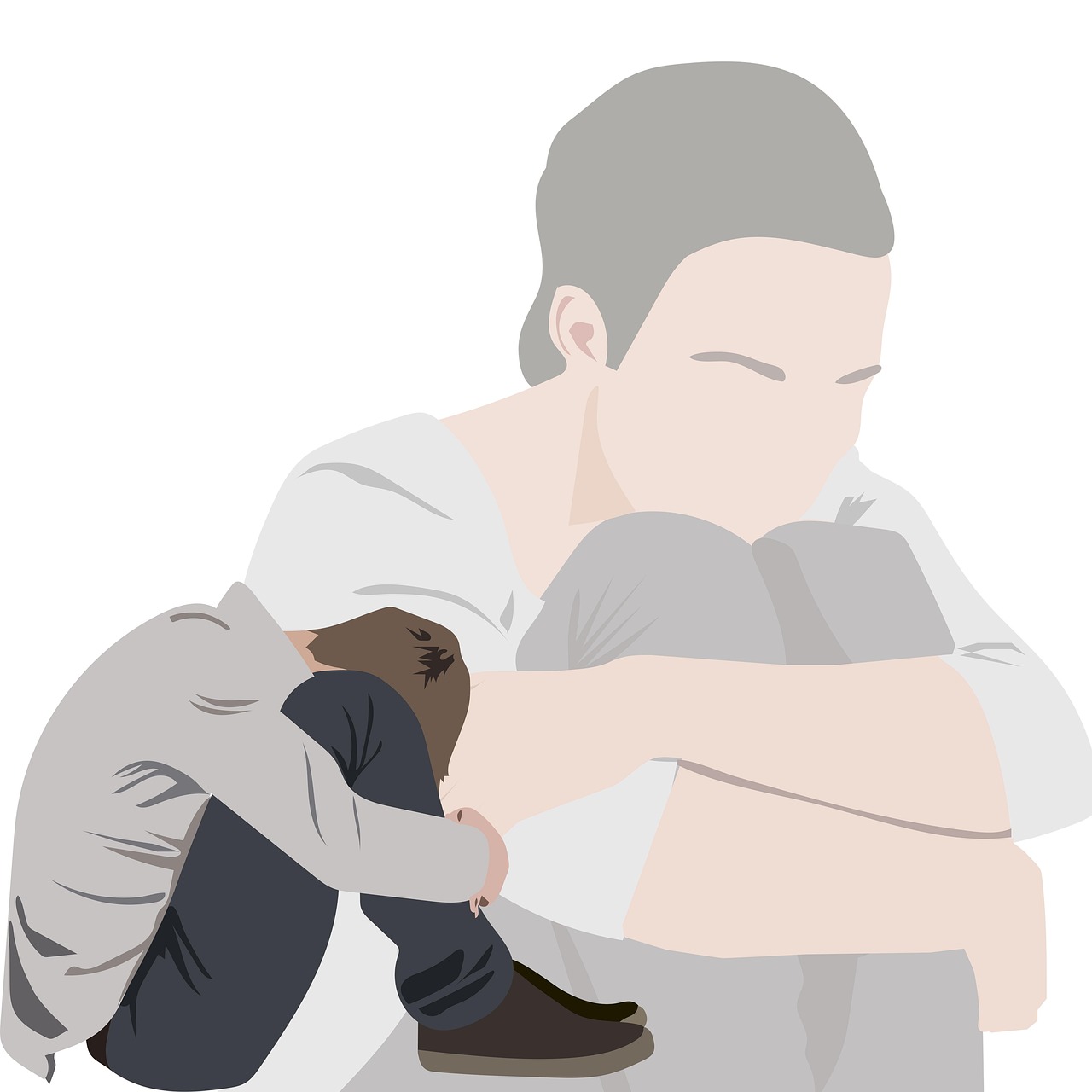

The Connection Between Anxiety, Depression, and Eating Disorders in Adolescents
Adolescents today face a unique set of challenges that can significantly impact their mental health. The onset of anxiety and depression during these formative years can exacerbate the risk of developing eating disorders. Studies have shown that adolescents experiencing high levels of anxiety are more likely to engage in unhealthy eating behaviors. These behaviors can manifest as restrictive eating, binge eating, or purging. The link between these conditions is complex, with psychological and emotional factors intertwined. Adolescents may turn to food as a coping mechanism, while feelings of inadequacy or fear about their body image contribute to eating disorders. Furthermore, social media and societal pressures often amplify these feelings, creating a toxic environment. Parents and guardians should remain vigilant for signs of these struggles. Open discussions about mental health and body image can encourage teens to express their feelings without fear of judgment. Exploration into how anxiety and depression influence eating disorders is essential for effective interventions aimed at helping this vulnerable group. Supporting adolescents in understanding their mental health is a crucial step toward prevention and recovery.
Research indicates that there is a significantly higher prevalence of eating disorders among adolescents with anxiety disorders. This correlation is not merely incidental; rather, it speaks to a deeper relationship between these psychological conditions. Adolescents suffering from anxiety often have a heightened concern over their appearance and self-worth, which can trigger disordered eating patterns. They may engage in dieting as a means to regain control over their lives, especially during turbulent times. Eating disorders like anorexia and bulimia can provide a false sense of achievement and control, which is appealing to those struggling with anxiety. Some researchers suggest that specific anxiety types may have a more substantial link to eating disorders. For instance, social anxiety may contribute to the avoidance of social situations, including meals. As a result, this can lead to restrictive eating habits and further exacerbate the disorder. Thus, recognizing the symptoms of anxiety in adolescents becomes critical. Mental health interventions tailored towards addressing both anxiety and eating disorders can lead to more effective recovery strategies and promote healthier coping mechanisms in young individuals.
The role of depression in the development and maintenance of eating disorders among adolescents cannot be overlooked. Adolescents suffering from depression may either overeat or severely restrict their food intake as a form of self-soothing. This cycle becomes dangerous, as both anxiety and depression can sometimes reinforce each other, creating a vicious cycle. For instance, an adolescent may feel sad or hopeless and, in response, binge eat or engage in other unhealthy eating practices. Conversely, feelings of guilt that can follow binge eating can exacerbate depressive symptoms and anxiety, further entrenching these behaviors. Understanding this cycle is vital for caregivers and mental health professionals. Intervening early with appropriate coping strategies and emotional support can break this cycle and provide adolescents with healthier habits. Regular therapy sessions, along with nutritional guidance, can offer the support that adolescents need. Through these interventions, young people can learn alternative coping mechanisms that address both their mental health and their relationship with food. Ultimately, fostering resilience can pave the way for recovery and promote a healthier self-image.
Social Pressures and Their Effects
Social pressures play an instrumental role in the mental health of adolescents, particularly concerning eating disorders. The omnipresence of social media often exacerbates feelings of inadequacy, whether it’s regarding body image or lifestyle choices. Adolescents tend to compare themselves to curated online images, which can lead to unrealistic expectations. Consequently, many young people develop negative body images, increasing the risk for anxiety and depression. In their attempt to conform to these standards, they might resort to unhealthy food-related behaviors. The culture surrounding beauty often emphasizes thinness, perpetuating the idea that a certain body type equates to happiness and success. Unfortunately, this is misleading and harmful. Educating adolescents to critically assess the media they consume can be a powerful tool in combating these pressures. Schools and parenting figures have the opportunity to promote body positivity and discuss the unrealistic nature of social media portrayals. By fostering an environment where adolescents feel supported and valued for who they are, rather than how they look, we can reduce the incidence of eating disorders. It’s essential to reinforce that one’s worth is not defined by appearance.
Parental involvement is crucial in addressing adolescent psychological health. Healthy communication between parents and adolescents allows for an open dialogue about feelings, body image, and food-related issues. When parents actively engage in discussions, they can help identify early signs of anxiety, depression, or disordered eating behaviors. Establishing trust can significantly influence how adolescents perceive themselves and their interactions with food. It’s vital for parents to model balanced eating behaviors, as children often emulate their caregivers. Encouraging family meals, where healthy food choices are promoted and enjoyed, can create a supportive environment. This fosters both physical and emotional well-being. Moreover, promoting a realistic understanding of body image and encouraging healthy self-esteem are integral as well. Parents should also educate themselves on the signs and symptoms of eating disorders to better support their children. Awareness is key in early intervention. Additionally, when seeking help, families should consider therapy as a viable option. Professional guidance can be instrumental in navigating the complexities of mental health struggles. By prioritizing open dialogue and healthy relationships with food, parents can fundamentally influence their adolescents’ mental health positively.
Importance of Professional Help
When adolescents struggle with eating disorders, anxiety, or depression, seeking professional help is often necessary. Mental health specialists, including counselors and psychologists, are equipped with the tools and knowledge to identify and treat these issues effectively. Therapy provides a safe space for adolescents to express their feelings and develop healthier coping strategies. Cognitive-behavioral therapy (CBT) has emerged as a particularly effective treatment for both eating disorders and concurrent mental health challenges. CBT targets the thought patterns and behaviors that contribute to these disorders, empowering adolescents to challenge negative thoughts and beliefs. In addition, group therapy can provide peer support, enabling adolescents to connect with others facing similar struggles. This connection can foster a sense of community and reduce feelings of isolation, which often accompany these mental health issues. It’s essential for parents to be involved in the treatment process, as their support can enhance adolescents’ chances of recovery. Seeking help early on can make a substantial difference, preventing further complications from developing. Overall, addressing eating disorders in adolescents through professional intervention can lead to healthier outcomes and long-term emotional well-being.
Prevention strategies are vital in combating the emergence of eating disorders among adolescents. Schools and communities play a key role in implementing programs that promote mental wellness. Educational campaigns can help raise awareness about the signs and effects of eating disorders, anxiety, and depression. Developing skills such as resilience, emotional awareness, and critical thinking can empower adolescents to better navigate the pressures they face. Peer-led workshops can also provide invaluable resources and create a supportive environment. As role models for their peers, these workshops can educate adolescents on how to foster supportive relationships and healthy self-acceptance. Schools can additionally implement guidelines around media literacy, helping students critically analyze the influence of social media and advertising on body image. Encouraging physical activity in a positive, non-competitive manner can further promote well-being. Instead of focusing on weight loss, students should be encouraged to appreciate the joy of movement. By nurturing a healthy mindset around body image and self-esteem, we can work towards preventing the onset of mental health issues and eating disorders in adolescents, leading to a healthier future generation.
Concluding Thoughts
In conclusion, the connection between anxiety, depression, and eating disorders in adolescents is intricate and multifaceted. Addressing these issues requires comprehensive strategies that encompass mental health support, education, and community involvement. By recognizing the early signs of both anxiety and eating disorders, parents, educators, and peers can play an integral role in intervention. Promoting body positivity and healthy self-esteem is fundamental in creating an environment where adolescents can thrive mentally and physically. It is crucial to dispel the myths surrounding eating disorders and mental health by emphasizing that they are medical conditions requiring treatment, not just choices. The involvement of mental health professionals can provide the much-needed support and guidance on recovery pathways. Continued advocacy and collaboration between various stakeholders—parents, schools, healthcare providers, and communities—can strengthen our response to these pressing issues. As we prioritize adolescent mental health, we pave the way for healthier futures and improved quality of life. This approach fosters resilience, encourages open dialogue, and instills hope that recovery is possible for those struggling with eating disorders.