
Pilates and Posture: Enhancing Performance in Daily Activities
Pilates is an amazing practice that significantly enhances posture. A proper posture improves more than just appearance; it enhances physical functionality in daily life. The Pilates method focuses on strengthening the core muscles, which are vital for supporting the spine and maintaining alignment. Exercises such as the “Roll Up” and “Saw” encourage lengthening and strengthening of the spine, contributing to better posture. Good posture allows for improved breathing, digestion, and circulation. People often sit for extended periods, leading to muscle imbalances and postural issues. Integrating Pilates into your routine effectively counteracts these imbalances. In addition, Pilates increases body awareness, helping individuals understand their physical alignment and necessary adjustments. This awareness extends to daily activities, making movements more efficient and reducing the risk of injury. In summary, Pilates serves as a tool in promoting effective movement patterns which can lead to significant improvements in overall bodily function. Practicing Pilates consistently can make a noticeable difference in your posture and, consequently, your ability to perform daily tasks comfortably and effectively.
As we explore the impact of Pilates on posture, it’s essential to recognize its multifaceted benefits. Proper posture not only enhances physical appearance but also boosts confidence and mental well-being. Studies suggest that people who maintain good posture tend to report higher self-esteem and reduced stress levels. Pilates incorporates movements that teach stabilizing and mobilizing the body effectively. By focusing on the connection between breath and movement, practitioners learn to engage their core muscles, which directly influence posture. Moreover, stronger core muscles increase support for the spine, aligning the pelvis and lower back appropriately. With consistent practice, individuals develop greater awareness of their body, facilitating easier adjustments in daily activities. Many Pilates exercises mimic everyday movements, preparing the body to withstand daily physical demands without pain or discomfort. Being aware of body mechanics allows individuals to move more freely and safely at work or during leisure activities. This heightened body awareness also promotes mindfulness, which may translate into other aspects of life. Thus, Pilates remains an effective method for enhancing not only posture but overall physical health and mental clarity.
The Importance of Spinal Alignment
Spinal alignment is at the heart of effective posture and overall health. A misaligned spine can lead to a myriad of issues, such as back pain, headaches, and even digestive complications. Pilates emphasizes movement patterns that promote proper alignment and stability, particularly through targeted core exercises. Addressing spinal misalignment can have a profound effect on body mechanics, leading to improved balance and coordination. For instance, exercises like “The Teaser” and “Spine Stretch” explicitly focus on articulating the spine while engaging the core. This promotes the necessary strength and flexibility essential for maintaining an aligned posture. Furthermore, proper alignment ensures even distribution of weight throughout the body. This aspect is critical in safeguarding the body from overuse injuries during day-to-day activities. Engaging in regular Pilates sessions fosters resilience against postural-related ailments by reinforcing core stability and spinal alignment. Additionally, learning to recognize and correct poor postural habits becomes easier with Pilates training. Consequently, participants can integrate proper alignment principles into their everyday routines, which ultimately enhances both performance and quality of life.
Moreover, Pilates not only improves posture but also enhances movement efficiency. By fostering optimal alignment, individuals can execute movements with less strain, minimizing energy depletion. For example, during routine tasks like lifting or reaching, maintaining proper posture aligns joints and muscles, thus reducing the risk of injury. Pilates emphasizes controlled movements, encouraging practitioners to focus on quality rather than quantity. As such, every exercise performed directly translates to improved functional movement in everyday life. Additionally, Pilates is adaptable, allowing practitioners of all levels to benefit from its principles. Whether you are a seasoned athlete or a desk-bound office worker, Pilates provides exercises that suit diverse needs. By tailoring workouts to individual strength levels, practitioners can gradually build stamina and power while emphasizing postural integrity. This adaptability ensures that as one progresses, the groundwork for maintaining excellent posture is consistently reinforced. As individuals become more attuned to their bodies, they can make conscious corrections in how they sit, stand, and move throughout their day. Consequently, Pilates supports a more proactive approach to health that emphasizes prevention and wellness.
Practical Applications in Everyday Life
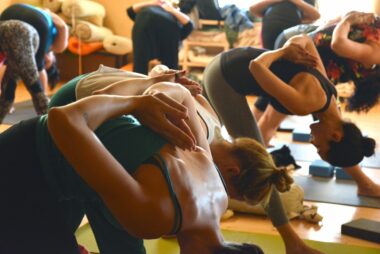
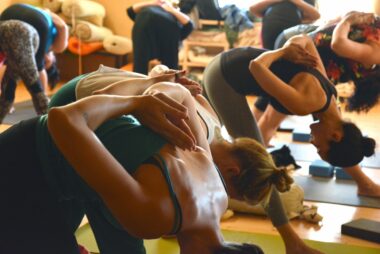
Incorporating the principles of Pilates into daily activities can lead to lasting changes in posture. Simple modifications can have substantial effects on how a person carries themselves and manages daily tasks. For instance, while sitting at a desk, practicing mindful breathing and maintaining alignment can alleviate tension in the neck and shoulders. When lifting objects, engaging the core and keeping a neutral spine reinforces good mechanics, avoiding common back pain sources. Incorporating short Pilates exercises, such as “Cat-Cow” and “Leg Circles,” during breaks can help to realign and temporarily relieve muscle tension. Implementing these small adjustments consistently can prevent the emergence of chronic postural issues. Additionally, engaging in group classes provides social interaction while promoting accountability in practice. Collaborative learning fosters an environment where individuals can share their experiences and insights regarding posture and Pilates methods. Consequently, this builds a supportive community that advocates for overall well-being. Relationship dynamics found in group classes also serve as motivation to maintain regular practice. As participants witness collective progress, enthusiasm for Pilates carries over into their daily life habits.
Another significant element of using Pilates for postural improvement is integrating mindfulness and body awareness. Mindful movement focuses on being present during practice, allowing individuals to connect with their bodies at a deeper level. This connection fosters greater awareness of tension patterns, promoting conscious effort to release constricted areas. As practitioners learn to tune into their bodies, they develop a sensitivity to imbalances, prompting proactive measures in addressing them. Daily life provides countless opportunities for application; for example, practicing mindful breathing while commuting or giving oneself a short stretch can reinforce postural improvements gained through Pilates. Engaging in mindful movement not only supports physical alignment but also encourages mental clarity and stress reduction. Reducing stress directly impacts physical posture, as tension often manifests through slumped shoulders or tight necks. By recognizing and addressing such areas, long-term postural benefits are likely to persist. Furthermore, incorporating mindfulness into Pilates practice fortifies the commitment to enhancing overall wellness and performance in all aspects of life. This holistic approach creates a sustainable foundation for improved posture and a fulfilling lifestyle.
Conclusion
In conclusion, Pilates emerges as a transformative approach to enhancing posture, which in turn, significantly improves performance in daily activities. Prioritizing good posture optimizes physical functionality while fostering greater confidence and well-being. The focus on core stability and spinal alignment equips practitioners with the tools necessary for maintaining mindful movement both in and out of the studio. With practical applications extending into the workplace and personal commitments, the practice fosters resilience against misalignment and injury. It enhances overall quality of life by promoting body awareness and proactive wellness. Individuals engaging in consistent Pilates practice derive benefits that last far beyond the studio environment. As their bodies become more aligned and efficient, individuals will experience a reduction in discomfort and an increase in overall energy levels. Thus, making Pilates a vital component of any fitness regimen is essential for cultivating a balanced lifestyle. With diverse methods and adaptable routines, Pilates can meet the unique needs of each individual. It is an enduring journey toward improved posture and holistic wellness, encouraging individuals to embrace their potential for optimal performance.
This commitment to self-improvement and personal growth through Pilates ultimately translates into enhanced productivity and satisfaction across various life domains. The journey of mastering body awareness and achieving physical balance fosters a deeper appreciation for one’s capabilities. A consistent practice of Pilates offers a pathway to not just better posture but to an enriched life experience. By deliberately incorporating these principles, individuals can shape pathways toward greater health. This transformation ultimately affects relationships, work environments, and overall lifestyle choices. With each class, step, and breath, practitioners cultivate an opportunity for lasting change, where posture and performance align seamlessly. Embracing Pilates as a lifelong journey emphasizes the importance of maintaining strong foundational principles relevant to everyday living. Physically centered individuals experience the flow of energy and movement better, minimizing strain while maximizing efficiency. In summary, Pilates serves as a holistic solution for enhancing posture while contributing to various dimensions of personal growth and wellness. By engaging in this practice, individuals not only unlock their full potential but acquire a commitment to a healthier lifestyle. The lifelong benefits reflect in both daily routines and overall personal fulfillment.