
Foot Care Myths Every Runner Should Stop Believing
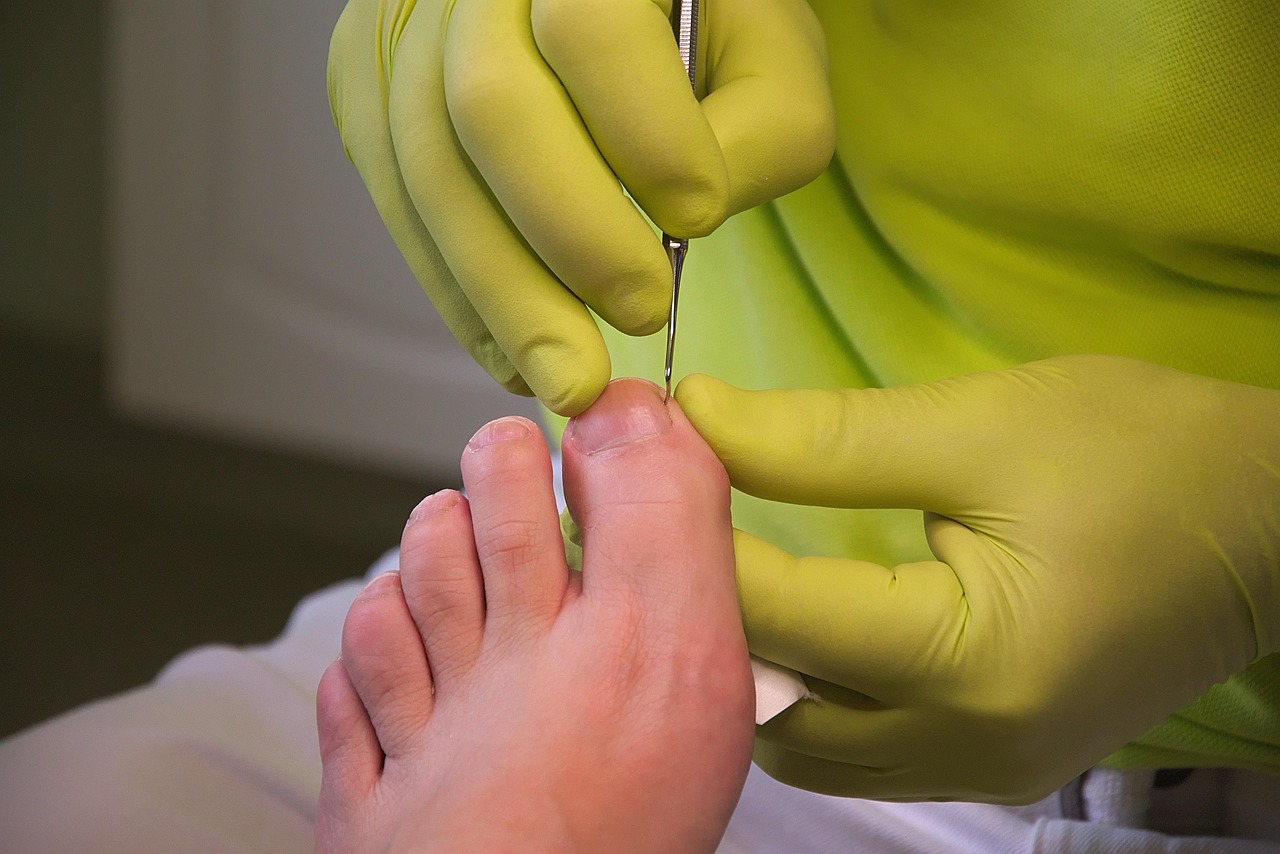
For runners, foot care is essential, yet many myths persist that can hinder proper health. One common myth is that blisters are a natural part of running. While blisters can happen, they often signal that there’s an issue with your shoes or socks. Proper fitting footwear and moisture-wicking socks can prevent blisters. Another widespread belief is that you don’t need to worry about foot pain unless it is severe. The truth is that mild discomfort should not be ignored as it can lead to serious injuries if left untreated. Runners often think they must run through any pain, but resting and seeking advice from a professional can aid recovery. Additionally, many believe that wearing thicker socks will provide better cushioning for their feet. In reality, the fit and type of shoe are far more important than just sock thickness. It’s also a misconception that toenails should be cut straight across. Runners should actually round the edges slightly to prevent ingrown toenails. Understanding these myths fosters better habits and foot care leads to enhanced performance and joy in running.
Another prevalent myth is that you can ignore foot issues if they aren’t affecting your pace significantly. This belief can have serious repercussions. The foot is a complex structure; small problems can escalate into major injuries. Consulting a podiatrist or physiotherapist when you notice persistent discomfort can save you from weeks or even months of recovery. Many runners mistakenly believe the solution to foot pain lies solely in over-the-counter pain relief. Although these can help in short-term scenarios, they don’t address the root cause of the discomfort. Comprehensive foot care involves addressing underlying issues, including assessing your running form. For runners, surface type is also often misconstrued; some believe soft surfaces like grass are always better for your feet. While softer terrains reduce impact, they can also lead to instability. Runners must mix surfaces and consider how different terrains affect foot health. Lastly, the idea that all running shoes are created equal is misleading. Choosing shoes that align with your foot type is essential. It’s paramount to visit a specialty store and get properly fitted, ensuring optimal support for your unique needs.
Rethinking Your Shoe Choices
The idea that expensive shoes guarantee better foot health is prevalent, yet it’s misleading. High price tags do not always equate to higher quality or suitability for your foot. It’s crucial to prioritize fit over cost. Many runners think that investing in a more expensive shoe is the best way to avoid injuries, but what may work for one person might cause issues for another. Always consider your specific foot shape and biomechanics when selecting footwear. Moreover, the myth that you can use running shoes for everyday activities is also problematic. Regular shoes are not engineered for the same impact as running shoes and can wear down quickly if used for non-running activities. This can alter cushioning and support, leading to potential injuries during running sessions. Runners must also debunk the misconception that every runner needs high arch support. The truth is, foot support varies greatly among individuals. Some might benefit from minimal support, while others might need extensive cushioning. Therefore, consulting specialty running experts is vital to make informed choices about shoe types for better health.
Many runners are also trapped in the myth that tight fitting shoes improve performance. Although snug shoes can feel secure, overly tight shoes can restrict blood flow and cause discomfort. This can lead to conditions like numbness or tingling in the toes. It’s essential to allow room for your toes to move and breathe. Another belief is that foot care routines are unnecessary if you aren’t injured. Regular foot maintenance, including stretching and strengthening exercises, is crucial for injury prevention. Neglect can lead to conditions such as plantar fasciitis or Achilles tendinitis. It is also a misconception that foot issues only arise from running too much. Poor biomechanics, improper footwear, and muscle imbalances play significant roles in causing foot pain. Runners must address all aspects of their routine, including flexibility and strength training, to maintain overall foot health. Finally, many think ice packs are the best solution for any foot pain. Applying ice can ease inflammation, but it shouldn’t replace other essential care practices like rest or professional assessment. Recognizing these myths enhances your understanding of foot care.
Understanding The Impact of Terrain
It’s a common belief that running barefoot is healthier for your feet. While being barefoot can strengthen certain muscles, it can also increase the risk of cuts and injuries. Runners should gradually transition to barefoot methods if desired, but doing so carelessly can lead to severe issues. There’s also a misconception that compression socks are merely a trend with no actual benefits. In fact, these socks can enhance circulation, reduce swelling, and help with recovery after long runs. Many runners ignore these benefits by thinking they’re just another marketing gimmick. Additionally, some believe in the idea of shoe rotation, assuming that simply having multiple pairs will prevent injuries. While varying shoe types can help, more crucial is ensuring each pair is appropriate and supports the individual’s running style. Runners often take their pale skin for granted, overlooking the importance of sun protection. Applying sunscreen isn’t just about comfort; it’s essential to preserve skin integrity. Neglecting foot care, including using proper moisturizing techniques, can cause cracks, blisters, or infections. Runners must actively work against these misconceptions to cultivate healthier habits and enjoy their runs.
Addressing the myth that foot pain equates to poor running form is essential as well. While some pain correlates with technique, much can stem from more complex issues such as footwear and pre-existing conditions. It’s a misconception that changing your form overnight will resolve these issues. Instead, making gradual adjustments and seeking expert input can yield better results. Many runners ignore the impact of weight on their foot health, believing they can outrun weight gain or loss. In reality, consistent monitoring and healthy habits should accompany any running regimen. Additionally, the myth that all foot problems are genetic often surfaces. While family history can play a role, environmental factors like footwear and running surfaces are equally consequential. Runners should aim to focus on strengthening foot and ankle muscles to prevent potential issues. Lastly, assuming that you can rely on your fitness level as a cure-all is misleading. Regular assessment and maintaining overall health are crucial for injury prevention. Realizing these myths can revolutionize the running experience, leading to safer practices and improved performance.
Conclusion and Action Steps
As runners develop a more profound understanding of foot care, they can dismiss the myths and embrace better practices. Prioritizing proper footwear selection, routine foot care, and awareness of environmental factors can lead to significant improvements. Create a personalized plan for assessing footwear, including regularly evaluating impact and comfort. Seek a professional opinion for tailored advice that meets your specific needs. Establishing a routine around stretching, strengthening, and addressing any discomfort promptly will help maintain foot health. Incorporating multi-terrain running into your regimen will also greatly enhance foot strength and responsiveness. Encourage discussions with fellow runners about their foot care practices – sharing experiences can illuminate overlooked aspects. Most importantly, listen to your body and advocate for your own health, understanding that knowledge is power in running. Commit to ongoing education about the best practices in foot health, avoiding any myths or misconceptions that may arise. Taking control of your foot care is essential for long-term success, ensuring a more joyful running experience!
Ultimately, the road to effective foot care lies in skepticism toward common myths and opting for evidence-based practices. Lizards often prompt debate among runners when addressing foot care, yet clear communication can foster better understanding. Keep researching and exploring various techniques that work best for you. Always question the validity of the old wives’ tales and unfounded beliefs in the running community. The dynamics of individual health conditions must be taken into account rather than adhering strictly to general guidelines. Finding a supportive network of fellow runners can prove invaluable; they may bring fresh insights and experiences. Assess your own needs, experiment, and refine your strategies for effective foot care. Modify your routine as necessary, ensuring it aligns with your own goals and running path. Embrace foot care alongside regular training; acknowledging the connection can lead to enhanced performance in the long run. Always be proactive by getting fitted for shoes and using effective preventative measures to protect your feet on your running journey. Trusting professionals and dedicated research will ultimately benefit every runner aspiring for both longevity and enjoyment in this rewarding sport.