
Mental Health Resources for Chronic Illness Caregivers
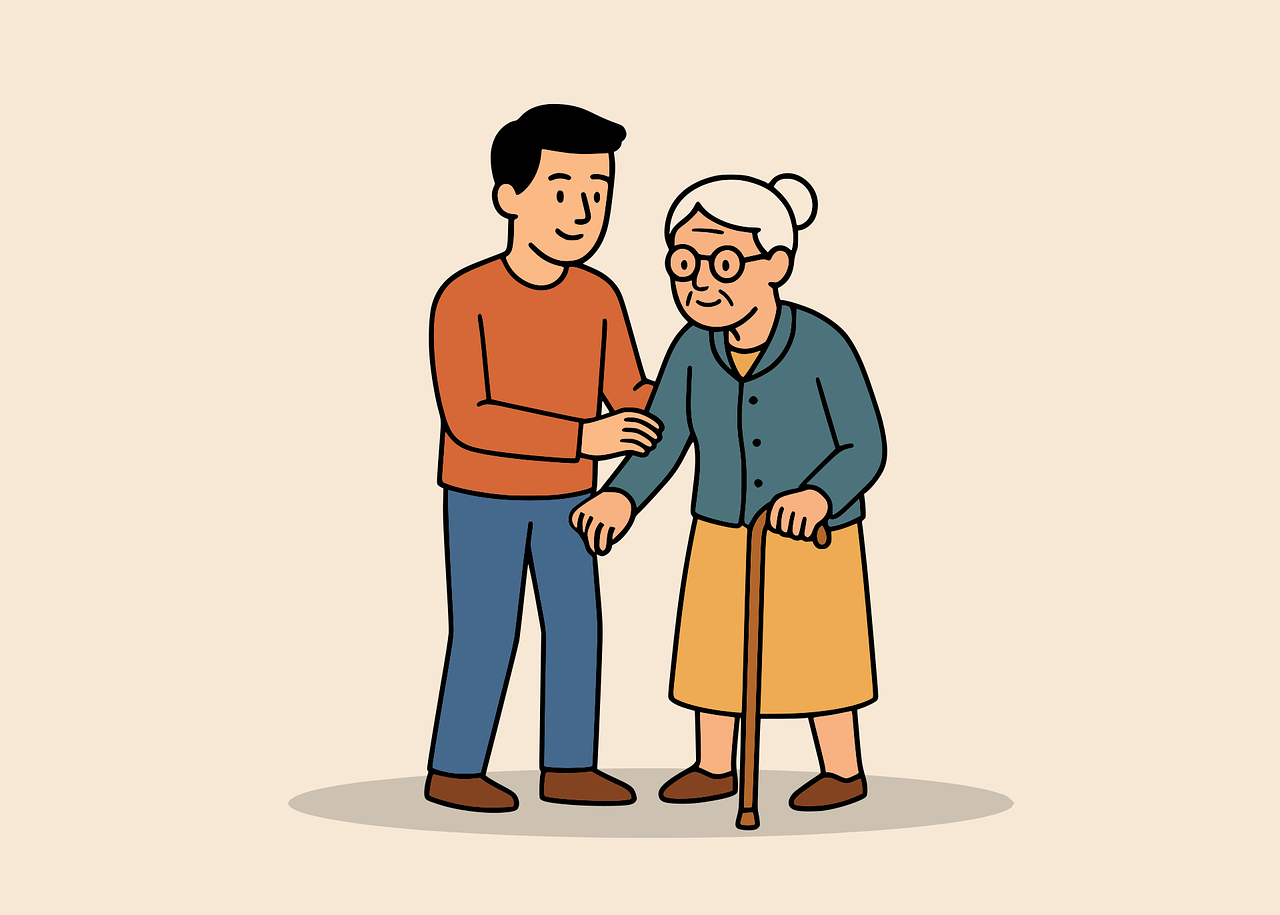
Caring for someone with a chronic illness can be challenging and can significantly affect a caregiver’s mental health and well-being. As caregivers navigate daily responsibilities, it’s essential to remember their health matters too. Incorporating mental health resources into your caregiving routine can create a healthier environment for both caregivers and those they are caring for. Seeking out online support groups can foster connection with other caregivers who understand similar struggles. There are many websites offering forums where you can share experiences and gather advice. Mental health apps can also prove useful; some allow you to track your mood and provide mindfulness exercises to manage stress. For deeper issues, online therapy services provide access to licensed professionals. Taking breaks can help recharge your emotional batteries, even if taking just a few hours away can make a big difference. Remember, caring for yourself is equally as important as caring for loved ones. Share your needs and feelings with close friends or family for support in your journey.
Joining a local support group can significantly enhance your mental health. These groups provide opportunities to connect with others facing challenges similar to yours, fostering a sense of community and understanding. In-person meetings allow caregivers to share tips, struggles, and advice, while building lasting relationships. Knowing that you are not alone can alleviate loneliness, providing comfort amid taxing days. Also, look to mental health professionals who specialize in caregiver stress; they can provide personalized coping strategies and resources. Websites like the National Alliance on Mental Illness offer valuable information tailored to caregivers. Another fantastic resource includes reading books focused on caregiver mental health. Many authors have personal experience in the field and offer practical tips for managing stress. Additionally, consider online courses that emphasize self-care and mental resilience. These often include meditation practices, journaling exercises, and time management strategies. Incorporating these practices into your daily routine can lead to a healthier mindset, allowing you to give more fully to those you care for. Always prioritize your mental wellness, as it forms the foundation of effective caregiving.
Self-Care Tips for Caregivers
Implementing effective self-care strategies is crucial for caregivers maintaining their mental health. Create a regular routine that includes time specifically carved out for yourself, even if it starts with just a few minutes a day. Activities such as taking walks, engaging in hobbies, or practicing mindfulness can recharge your mind and soul. Exercise has proven benefits, so try incorporating physical activity that you enjoy; it boosts endorphins and improves mood. Prioritize nutrition as well, ensuring that your meals are balanced and nourishing. Staying hydrated also plays a vital role in overall well-being. Another helpful strategy is learning about the illness you’re addressing. This knowledge can allow you to feel more empowered and capable in your caregiving role. Often, gaining a deeper understanding leads to reduced anxiety and greater confidence when managing work related to your loved one’s condition. Don’t hesitate to ask for help from family or friends. When additional support is available, the weight of caregiving becomes lighter, and this can ultimately promote a more fulfilling experience for both you and the individual under your care.
Maintaining social connections is a vital aspect of caregiver health. Reach out to friends and family regularly to share your experiences and emotions. Building a support network is incredibly energizing; it helps mitigate the feelings of isolation. Organize regular catch-ups with friends, whether through coffee dates or video calls. Don’t underestimate the power of laughter and good company in lifting your mood. Consider engaging in community activities or volunteering, as they can provide a fresh perspective and positive interactions. Places like community centers often host events or classes catering to your interests, creating additional opportunities for connection. If your community offers workshops tailored to caregivers, these can be invaluable for learning and support. Carrying the load alone is unnecessary, and sharing your burdens can lighten mental stress. While feeling overwhelmed, remember that vulnerability can encourage others to share their stories as well. Online platforms such as forums or social media groups can also offer invaluable connections. Search for others who understand your journey. Your mental health plays a vital role in both your life and the lives of those you care for.
Resources for Professional Help
Sometimes seeking professional help is crucial for caregivers. Numerous mental health resources cater specifically to caregiver challenges. Look for therapists who specialize in working with caregivers or individuals with chronic illnesses. Websites like Psychology Today allow you to search for qualified professionals by location and expertise. Many services now offer virtual sessions, making it easier to find help that fits your schedule. Many employers also provide Employee Assistance Programs (EAP) that offer mental health resources to employees, often free of charge. Don’t hesitate to inquire about these services, as they can help you navigate stress more effectively. Additionally, consider contacting helplines when feeling overwhelmed. They offer immediate support and resources to guide you through tough moments without judgment. Many organizations also provide comprehensive resource lists dedicated to mental health for caregivers. These lists can point to documentaries, articles, and books that deepen understanding and improve emotional well-being. Education and awareness are vital; the more you learn about your mental health needs, the better equipped you will be to provide care to others without neglecting your own wellness.
Creating a balance between caregiving and self-care is achievable through establishing clear boundaries. Develop a schedule that allows for care duties while including designated time for your mental health. Communicate these boundaries to those you care for, emphasizing the importance of your well-being for sustaining care. Don’t feel guilty for needing time away; just like oxygen masks on airplanes, you must secure your own well-being before assisting others. Regularly assess your mental health by tuning into your emotions and recognizing stress indicators. Journaling can serve as an excellent tool for self-reflection, helping you understand feelings and identify triggers. When you notice rising frustration or exhaustion, take proactive steps to address them. Whether practicing meditation, taking a warm bath, or simply stepping outside for fresh air, find practices that work for you. Explore resources that bolster resilience, such as workshops on stress management or mindfulness courses. Remember, it’s okay to take a break and ask for help when needed; doing so can ultimately enhance the quality of the care you provide and improve personal well-being.
Mindfulness and Meditation Techniques
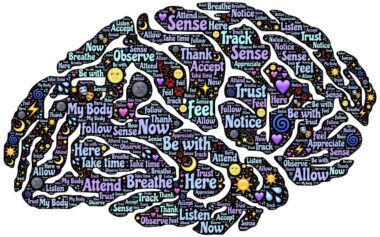
Incorporating mindfulness and meditation techniques can profoundly impact a caregiver’s mental health. These practices promote relaxation and help reduce anxiety. Start small by dedicating just a few minutes daily to focus on your breath or observe your thoughts. Even simple techniques like deep breathing or body scans can create a sense of serenity amidst chaos. Various apps, such as Headspace or Calm, offer guided sessions tailored for beginners and seasoned practitioners alike. Furthermore, consider joining community classes that focus on yoga or meditation. Active involvement in group sessions fosters connection and accountability, enhancing the overall experience. As a caregiver, moments of stillness can provide clarity and emotional rejuvenation. If you find it hard to sit still, try incorporating mindful activities such as walking in nature, focusing on each step and breath. Gratitude journaling is another effective practice—recognizing positive moments boosts mood and helps shift focus from stressors. Explore these tranquil methods and discover which practices resonate most with you. As you enhance your mental well-being, your caregiving experience will likely transform, leading to a healthier, happier environment for everyone.
Your journey as a caregiver influences both you and those you care for. By using mental health resources tailored to caregivers, you can thrive in managing challenges. Empower yourself through self-care, social connections, and professional assistance when required. Balancing caregiving responsibilities with your mental health needs is essential; remember, you cannot pour from an empty cup. Embrace community support and share your burdens, remembering that vulnerability fosters empathy and connectedness. Keep learning about both your loved one’s illness and your mental health needs. Utilize mindfulness techniques, journaling, and self-reflection to maintain perspective and calmness. Reach out to online and local resources that can uplift and educate you throughout your caregiving journey. Always remember that you are not alone on this path. Prioritizing your wellness can create a ripple effect positively benefiting your caregiving experience. Treat yourself with the same compassion and understanding that you offer to others. Embrace opportunities for growth and healing, as they will help both you and those you care for foster a healthier, more satisfying life together. Caregivers deserve recognition and support for their vital roles, and prioritizing mental health is a profound step forward.