
Mastering Fitness Motivation Through Goal Segmentation
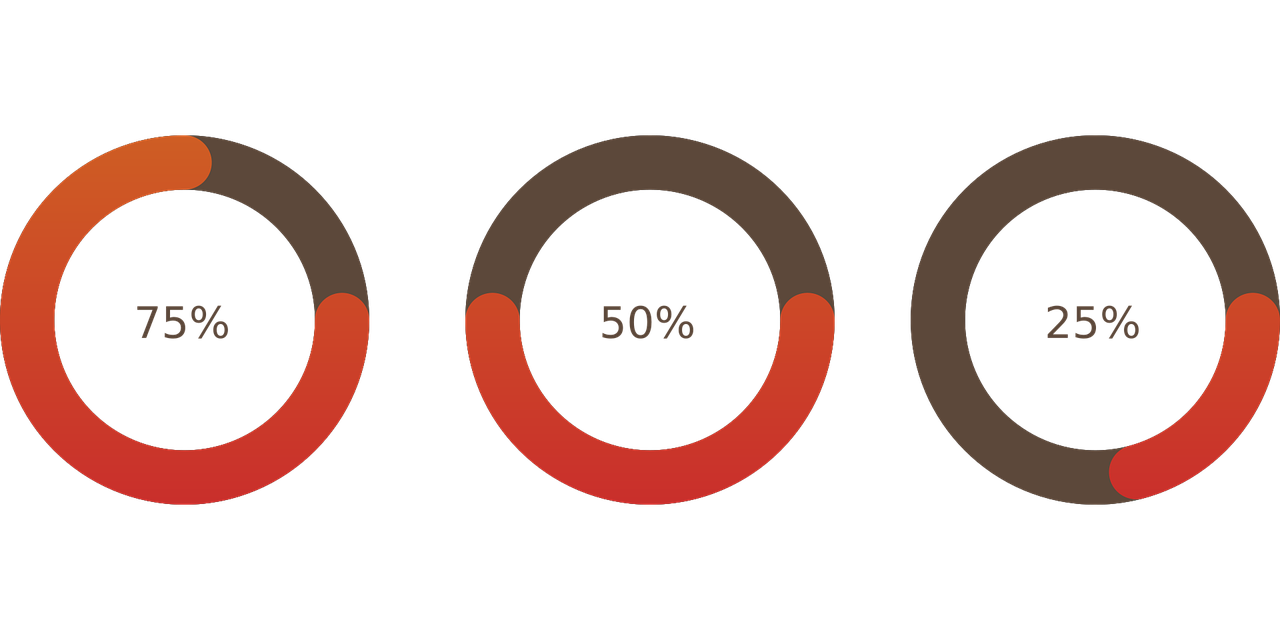
Fitness journeys can often seem overwhelming, especially when faced with large, unattainable goals. However, to prevent feeling defeated, breaking down these significant ambitions into smaller, manageable parts can be an effective strategy. This methodology simplifies your approach to fitness, allowing you to see progress over time. By segmenting larger goals into achievable milestones, you can create a clearer path toward your ultimate aim. This segmenting process not only simplifies your route but also allows you to celebrate small victories along the way. Each small success boosts motivation, creating a positive feedback loop that promotes further action. When you reach a milestone, it serves as a reminder that you are capable of achieving success in larger objectives. Instead of focusing solely on the end goal, embrace the process and acknowledge these small steps. They are essential to sustaining motivation and commitment. Consider utilizing specific fitness tracking apps or journals to monitor your progress and reflect on achievements. Such practices keep you engaged and can also foster a sense of community with others pursuing similar goals, which can be incredibly motivating and inspiring for your fitness journey.
Another effective way to break down your goals is by implementing a timeline that encourages structured progress. A well-defined timeline gives you an outline of when to accomplish specific tasks, ensuring they fit into your broader fitness agenda. Begin by setting a long-term goal, such as losing a specific amount of weight or completing a marathon. Next, segment this main goal into quarterly, monthly, or even weekly objectives. For instance, if your ultimate target is to lose 30 pounds in a year, your monthly goal would average approximately 2.5 pounds. Weekly targets could then be set at about 0.6 pounds. This system allows you to gauge your success and make adjustments as needed. It’s also essential to be flexible with your timeline since life events can sometimes derail your initial plan. Always remember that setbacks are part of the journey. Instead of getting discouraged, use those moments as learning opportunities. Additionally, rewarding yourself upon reaching these smaller milestones can enhance motivation and commitment. Create a list of rewards that excite you, ensuring they align with your fitness goals to encourage continued progress toward the larger picture.
Setting SMART Goals
To develop effective segmented goals, it’s vital to ensure they are SMART: Specific, Measurable, Achievable, Relevant, and Time-bound. This framework helps establish clear guidelines for your objectives. For example, rather than saying, “I want to get fit,” express your goal as, “I will exercise at least four times a week for 30 minutes each session over the next three months.” This clarifies what you intend to do and how you will measure your success. Writing down your goals not only solidifies them but also makes them seem more real and attainable. As you progress, measuring achievements along the way becomes essential. Keeping a record of workouts, weight, or personal bests is crucial. This continuous assessment provides the needed feedback to identify what works and what doesn’t. Adjust as necessary to refine your goals to ensure they remain achievable, maintaining the right balance of challenge and realism. By focusing on these executable smaller goals, you are essentially training yourself to build consistency in your fitness routine, which is paramount for long-term success.
Another core principle of breaking down big goals is maintaining a supportive environment. Surrounding yourself with positive influences can have an immense impact on your fitness journey. This could involve joining a local fitness group, participating in classes, or finding a workout buddy with similar goals. Encouragement from peers creates a sense of accountability, significantly boosting your motivation. Sharing your goals with others can help you stay committed, as the support network becomes part of your progress. It also provides opportunities for exchanging tips, celebrating wins, and navigating through obstacles. Additionally, consider utilizing motivational quotes or imagery that resonates with your fitness ambitions. Visual reminders keep your focus on the end goal and reinforce your commitment to breaking down your large goals. Create a vision board or digital display featuring inspiring messages, images of those who have achieved similar objectives, or milestones you aim to hit. This daily visual stimulation can serve as a continual reminder, reinforcing your dedication and energy towards achieving your segmented fitness goals.
Overcoming Obstacles along the Way
Every fitness journey is bound to encounter obstacles; it’s essential to prepare mentally for these challenges. Anticipating setbacks allows you to devise strategies to navigate through them effectively. For instance, you may face time constraints due to work or other commitments that make exercising tricky. When this happens, redefining your strategy is essential, such as incorporating shorter, more intense workouts that fit your schedule. Crafting backup plans and alternatives will help you remain flexible while staying committed. Acknowledge that even the most determined individuals face difficulties and that resilience plays a pivotal role in your success. Learning to recover from setbacks is just as vital as achieving your goals. Reflect on what went wrong and use this as data to inform your next steps. Also, take care of your mental health; when motivation wanes, seek inspiration through books, videos, or connecting with others who share similar experiences. Understanding that fitness is a long-term journey can help you embrace the ups and downs while remaining invested in your segmented goals.
It is crucial to understand that maintaining motivation over the long term requires regular reassessment of your goals. As you achieve certain milestones, you have the opportunity to reset and modify your objectives to reflect your progress. Remaining stagnant can lead to decreased motivation, so ensure your goals remain challenging and aligned with your interests. After accomplishing initial goals, take time to celebrate these achievements, making necessary adjustments to keep the trajectory upward. Reassessing goals periodically helps to maintain interest and allows you to explore new activities or challenges. For example, if you have completed a 5K, consider transitioning to longer distances or trying different forms of exercise like swimming or cycling. These changes not only offer physical variety but also help to keep excitement alive in pursuing your fitness ambitions. Additionally, don’t hesitate to seek out new classes, trainers, or workshops that may introduce fresh techniques and methods. By diversifying your approach to fitness, you may discover new passions that continue to fuel your motivation.
The Role of Mindfulness in Fitness
Incorporating mindfulness into your fitness journey can also enhance motivation significantly. Practicing mindfulness encourages you to remain present during workouts, promoting a deeper connection with your body and its needs. This self-awareness can help you understand your limitations, allowing you to push yourself appropriately without risking injury. Mindfulness also involves tuning into your body’s signals, which can be particularly important when it comes to recovery. Adequate rest is crucial for sustained progress; listen to your body and allow it to recuperate when necessary. Additionally, consider integrating meditation or breathing exercises into your routine to cultivate a positive mindset. These techniques can nurture and strengthen your focus during exercise sessions. Such practices create a holistic approach to fitness that enhances motivation and builds a strong mental foundation. Furthermore, adopting a grateful mindset by appreciating your body for its capabilities fosters a healthy relationship with fitness. Recognizing your hard work and the effort you put into your journey encourages you to continue striving towards your segmented goals, contributing to a cycle of motivation and achievement.
Ultimately, mastering fitness motivation through goal segmentation is a powerful technique that many can leverage. Breaking down larger aspirations into achievable steps allows individuals to manage their progress better and celebrate each achievement. Staying committed means not only understanding how to set realistic goals but also fostering an inspiring community and mindset around your journey. Recognizing that setbacks are part of the process minimizes discouragement, fostering resilience in the face of challenges. Therefore, prioritize establishing a supportive network and maintaining flexibility with your goals. Resilience is cultivated as you adjust your targets based on accomplishments and challenges met along the journey. Integrating mindfulness practices, while consistently monitoring your motivation and satisfaction, creates a cycle of energy and enthusiasm surrounding fitness. Adhering to these practices not only enhances your day-to-day enjoyment but also ingrains a lifelong passion for fitness as you learn to appreciate your body’s capabilities. As you embark on your journey, keep in mind that the process itself holds immense value. Let goal segmentation guide you toward mastery in your fitness journey, ensuring motivation remains constant as you achieve each step forward.