
Foam Rolling Benefits for Seasonal Muscle Recovery
Foam rolling is an effective technique for muscle recovery, especially during seasonal transitions, where your workout intensity might fluctuate. The primary benefit of foam rolling is that it helps release muscle tightness and soreness, enhancing mobility. This is particularly important when you switch between different sports or activities, as the body requires adaptation. By applying pressure on specific muscle groups, foam rollers assist in breaking down knots, which can improve circulation. Enhanced blood flow delivers essential nutrients and oxygen, speeding up the repair process of damaged tissues. Furthermore, regular foam rolling may prevent injuries by keeping the muscles pliable. This technique is a self-myofascial release method, and it is particularly beneficial post-workout. Incorporating foam rolling into your routine helps alleviate muscle tension, allowing you to recover faster and return to your chosen activity or sport. Overall, it plays a crucial role in maintaining optimal muscle function and ensuring good flexibility, especially important if you’re adjusting your training regimen to seasonal changes.
During seasonal fluctuations, especially for outdoor enthusiasts, muscle recovery becomes a priority. Foam rolling helps minimize discomfort associated with intense workouts by promoting relaxation. As you engage in activities that might involve varied muscle groups, this technique can be particularly invaluable. By utilizing a foam roller, you can focus on areas that may become tight due to increased strain. Additionally, foam rolling aids in lymphatic drainage, aiding in the elimination of metabolic waste from your muscles. This detoxification process is vital for maintaining performance and preventing fatigue. Moreover, foam rolling can be beneficial for athletes transitioning from one sport to another, allowing them to adapt smoothly while reducing stress. Notably, when performed consistently, foam rolling can enhance your range of motion. This increased flexibility helps improve overall performance and efficiency in any given activity. To optimize recovery time after workouts, incorporate foam rolling for about 10 to 15 minutes. If you experience persistent areas of tension, consider varying your rolling techniques to target those specific zones. Overall, combining foam rolling with proper nutrition and hydration can significantly enhance muscle recovery.
The Mechanics of Foam Rolling
Understanding the mechanics behind foam rolling can deepen your respect for its benefits. When you roll over tight muscles, you are effectively applying pressure that helps release built-up tension. The process stimulates the Golgi tendon organs within muscles, leading to relaxation and less stiffness. This is particularly significant when engaging in intense workouts during seasonal shifts, where physical demands evolve. While using a foam roller, movements should be controlled, allowing your body to adapt and respond accordingly. You can use the roller on large muscle groups, such as quads, hamstrings, and calves, as well as smaller areas like your shoulders or back. Pressure applied during foam rolling triggers an increase in blood flow to the muscles, which heals damaged fibers and brings fresh oxygen to tired muscles. As you roll, it’s beneficial to focus on your breath as well. Deep breathing can amplify relaxation and improve your recovery. Remember, foam rolling should never cause pain; the goal is to relieve tension, ensuring ongoing flexibility and muscle health. Engaging in this practice regularly ensures a breakdown of fascial adhesions, further enhancing your performance during the changing seasons.
Incorporating foam rolling into your post-workout routine not only promotes muscle recovery but also contributes to mental relaxation. This is especially pertinent for athletes and fitness enthusiasts transitioning between sports during seasonal changes. After an intense session, take the time to focus on each muscle group, rolling slowly to gauge areas of tension. Educating yourself on specific techniques can further enhance the experience. For instance, holding on a tight spot for 20 to 30 seconds can yield greater muscle relief. Moreover, it is essential to vary pressures, adapting to your comfort level while still challenging the muscles. Consistency is key; aim to incorporate foam rolling several times a week to notice significant improvements in pain reduction and mobility. Additionally, complementing foam rolling with stretching increases effectiveness. Dynamic stretches before workouts, along with foam rolling afterward, create a well-rounded recovery plan. This holistic approach addresses muscle health while also maintaining performance as you adapt to seasonal demands. Over time, the cumulative benefits of foam rolling will manifest in greater flexibility and less occurrence of muscle soreness, setting you up for improved athletic performance.
Selecting the Right Foam Roller
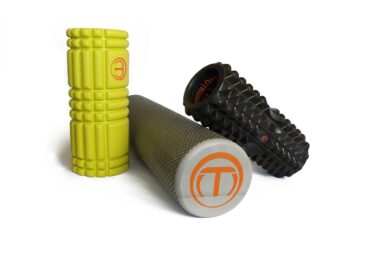
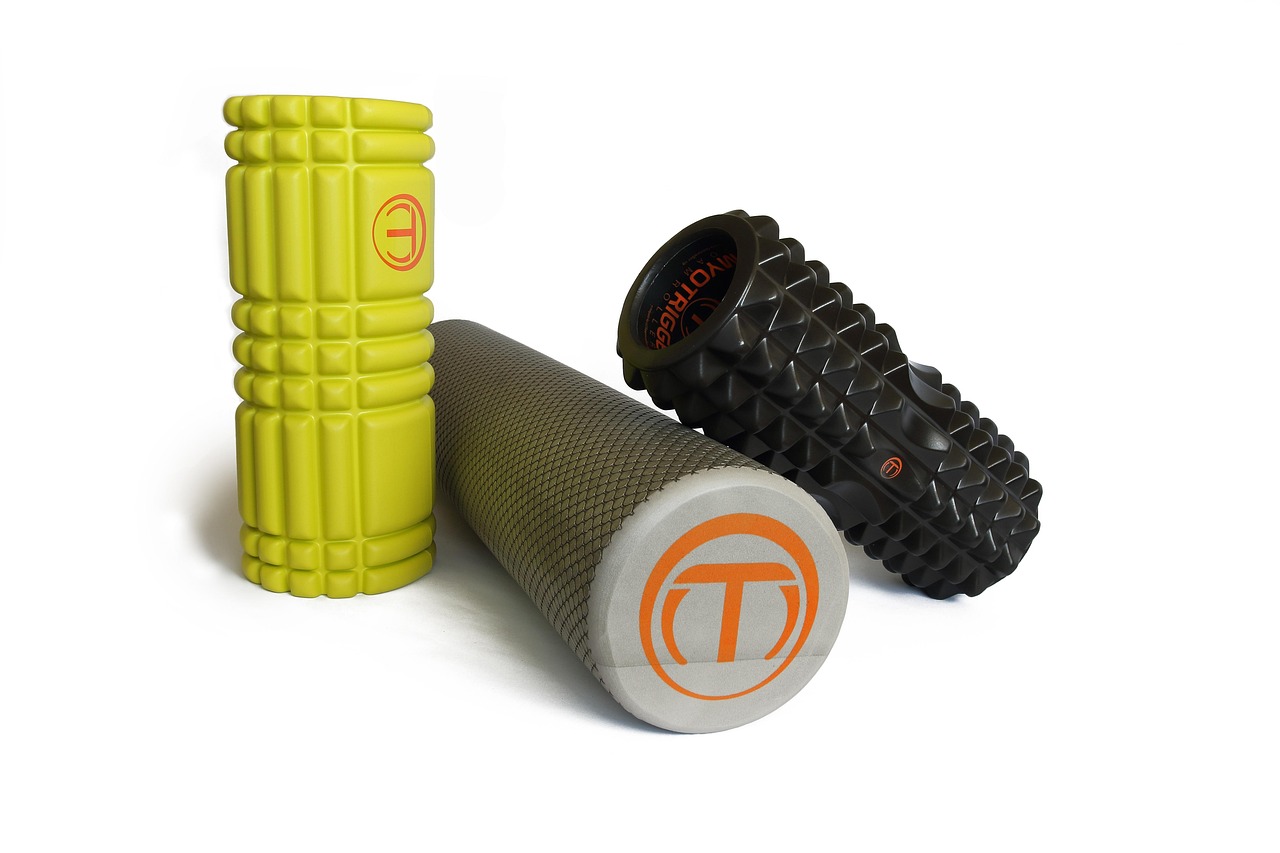
Choosing the right foam roller is essential for maximizing benefits specific to individual needs. Various types exist on the market, ranging from soft to firm densities. Beginners might benefit from a softer roller, whereas seasoned rolleriers may prefer a high-density option to target deeper muscle layers. Look for rollers of different sizes and textures, as some feature ridges designed for additional pressure. These textured choices can be particularly effective for releasing knots and tightness in the muscles. Consider your primary goals: if your focus is solely recovery, opt for a firmer roller, while if you want a balance between comfort and effectiveness, select a medium density. Additionally, self-massage balls can augment your routine, targeting specific trigger points missed by larger rollers. Integrating these tools ensures a comprehensive approach to muscle care. Furthermore, it’s important to check the material of the foam roller; high-quality options are durable and can withstand regular use. No matter which type you choose, maintaining your foam roller’s cleanliness extends its lifespan and effectiveness. Regular use creates a positive feedback loop for continuous muscle recovery.
Proper technique while using a foam roller is crucial to reap its full benefits effectively. Start by finding a quiet, comfortable space where you can focus solely on your recovery. Begin slow and apply gentle pressure, gradually increasing as needed. Roll slowly back and forth over targeted muscle areas, maintaining a controlled pace. When you hit a tight spot or trigger point, pause for a few moments to allow the muscle to relax and release tension. Do not rush the process; it’s essential to listen to your body’s signals. Engage your breath deeply, which can aid in relaxation while rolling. Adjust your body positioning when necessary to target specific areas more effectively. Rolling for about 30 seconds to a minute on each muscle group can provide significant benefits. Always pay attention to areas that feel particularly stiff, as these might need extra care. Once done, stretch those muscles gently before concluding your routine. This practice not only helps eliminate soreness but also allows for better muscle function during seasonal workouts, contributing to overall well-being.
Conclusion: Embrace Foam Rolling for Optimal Recovery
In summary, foam rolling is an indispensable tool for anyone looking to enhance their post-workout recovery, especially during seasonal transitions. Its multifaceted benefits, which include improved circulation, muscle flexibility, and reduced soreness, cannot be underestimated. By incorporating a foam roller into your routine, you prioritize your muscle health and overall performance. Remember to select the right foam roller based on your specific needs and engage in proper techniques to experience maximum benefits. Consistently practicing foam rolling alongside other recovery strategies, such as hydration and nutrition, lays the foundation for optimal muscle recovery. Whether you’re preparing for outdoor activities or changing sports, foam rolling supports the adaptations your body needs. By making foam rolling a staple in your fitness regimen, you can enjoy its benefits year-round. As seasons change, maintaining a committed approach to recovery will help you achieve your fitness goals more effectively. Embrace the transformative power of foam rolling, paving the way for a pain-free and flexible experience as you tackle seasonal fitness challenges.
This final point emphasizes the importance of integrating foam rolling with other recovery techniques. By combining methods such as stretching, proper nutrition, and adequate rest, you enhance overall muscle recovery and performance. Understanding that recovery is as vital as the workout itself will improve your fitness journey. Always listen to your body and adjust your routines to prevent injuries. Incorporating foam rolling after every session solidifies its impact over time, ensuring a holistic approach to fitness and well-being. With knowledge on application and techniques, athletes are better equipped to achieve their performance goals. Seasonal shifts in activities should not deter you from maintaining optimal muscle health. Instead, embrace foam rolling as a key player in your recovery arsenal. Consistency and attentiveness will lead to significant improvements in overall flexibility, mobility, and muscle health. As a personal habit, connecting with your body during foam rolling enhances mindfulness and recovery awareness. Thus, reinforce your commitment to this vital practice, setting yourself up for success. Acknowledge every step in your journey and celebrate the small victories that lead to larger achievements.