
Sleep, Gut Health, and Hormonal Regulation
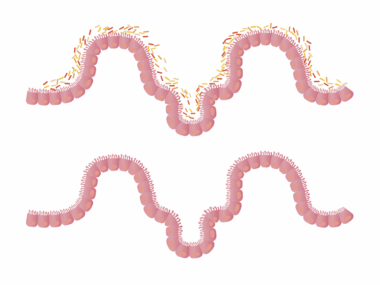
In recent years, the intricate relationship between sleep, gut health, and hormonal regulation has gained considerable attention. Sleep is essential for maintaining optimal health, influencing various bodily functions, especially hormonal balance. Poor sleep quality can disrupt hormone production, affecting stress hormones like cortisol, and reproductive hormones like estrogen and testosterone. Furthermore, inadequate sleep is linked to various gut health issues, such as imbalances in gut microbiota. A well-maintained gut microbiome plays a critical role in hormonal health. Research suggests that certain gut bacteria can affect hormone levels and metabolism. Therefore, a holistic approach that integrates sleep, gut health, and hormones may lead to improved overall well-being. To enhance sleep quality, consider adopting strategies such as establishing a regular sleep schedule, minimizing caffeine intake, and incorporating relaxation techniques. Lifestyle changes have been shown to positively affect both gut health and hormonal balance, creating a synergistic effect. Individuals interested in optimizing their hormonal health must prioritize quality sleep alongside a balanced diet rich in fiber, prebiotics, and probiotics. In this way, the goal of achieving better health through the intricate connections between these elements can be realized.
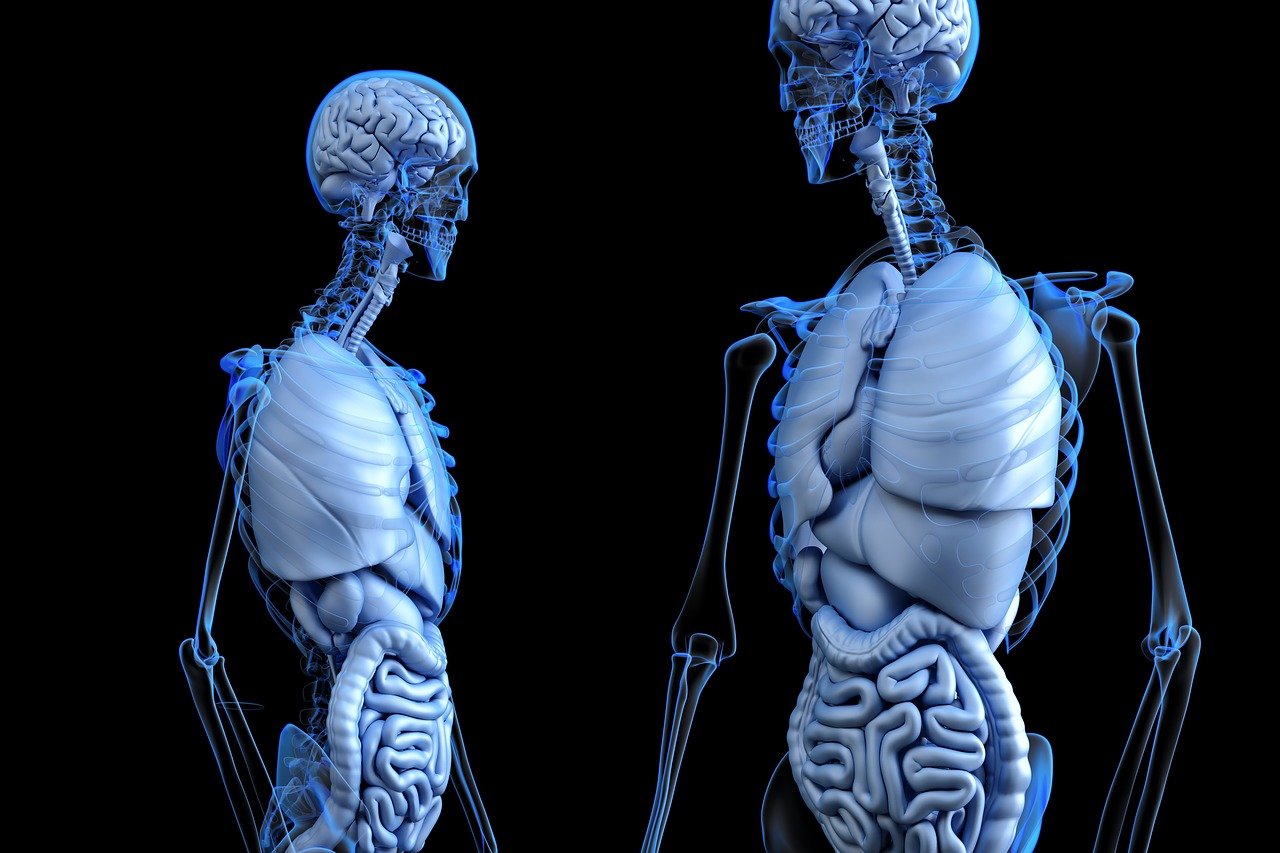
Understanding the gut-brain axis is vital when discussing sleep and hormonal regulation. This connection highlights how gut health directly impacts mental and emotional well-being. Research indicates that the gut microbiota can communicate with the brain via the vagus nerve and neurotransmitter production. Consequently, a healthy gut plays a significant role in mood stabilization and cognitive function, which can influence sleep quality. Disturbances in this gut-brain relationship may lead to anxiety or depression, further complicating sleep issues. Additionally, the gut produces various hormones such as ghrelin and leptin, which regulate appetite and energy balance. Imbalances in these hormones can lead to unhealthy eating habits, exacerbating problems related to sleep and hormonal stability. Improving gut health could potentially enhance mood and reduce anxiety levels, promoting a more restful sleep. Consider incorporating gut-friendly foods like fermented items and fiber-rich fruits and vegetables into your diet. In turn, this can support a balanced microbiome and may enhance the body’s hormonal regulation. Exploring stress-reducing practices, like mindfulness or deep breathing exercises, can provide additional benefits for improving both gut and sleep health.
The Role of Nutrition
The food choices we make can significantly influence both gut health and hormonal balance. Consuming a diet rich in whole foods, including fruits, vegetables, whole grains, healthy fats, and lean proteins, is essential for supporting gut and hormonal health. More specifically, foods high in fiber can support a healthy gut microbiome, which is fundamental for hormone production and regulation. Probiotic-rich foods, such as yogurt or kimchi, also contribute significantly to gut health. These foods introduce beneficial bacteria necessary for optimal digestion and overall gut function. In contrast, a diet high in processed foods, added sugars, and unhealthy fats can lead to inflammation and act as a detriment to hormonal regulation. It is essential to pay attention to the quality of nutrients consumed and focus on making healthier food choices. Additionally, maintaining adequate hydration is crucial for overall health. Drinking plenty of water can promote better digestion and nutrient absorption. When combined with consistent meal timing, these practices can facilitate improved gut health, eventually leading to better hormonal regulation. A well-rounded nutritional approach is indispensable for achieving good health overall.
Another essential aspect of hormonal health is understanding the influence of exercise on sleep and gut health. Physical activity is known to play an integral role in maintaining a healthy body and mind while regulating hormones. Engaging in regular exercise helps alleviate stress, which can lead to improved sleep quality. Furthermore, moderate-intensity aerobic exercises, such as brisk walking or cycling, can enhance gut motility and promote the growth of beneficial gut bacteria. These benefits contribute positively to digestion and hormone production. Research has shown that people who exercise regularly report better sleep and daytime alertness, leading to improved overall well-being. While balancing intensity is essential, incorporating variety in an exercise regimen can optimize results. Besides aerobic activities, strength training, yoga, and flexibility exercises can also provide benefits. Additionally, it’s important to find activities one enjoys, making it easier to sustain an active lifestyle in the long term. Remember that consistency is critical when it comes to forming habits that contribute to better gut health and hormone regulation. Setting realistic fitness goals can pave the way for achieving and maintaining balance between these essential health aspects.
The Impact of Stress
Stress management is another critical factor affecting sleep, gut health, and hormonal regulation. Chronic stress can lead to elevated cortisol levels, which can negatively impact several hormones in the body. These hormonal imbalances can contribute to various health issues, including digestive problems and disrupted sleep patterns. When cortisol levels remain elevated, it can lead to weight gain, interfere with insulin sensitivity, and encourage unhealthy food choices, establishing a challenging cycle. Stress affects the gut through the gut-brain axis complicating the functioning of the microbiome. Practicing stress-reduction techniques such as mindfulness meditation, yoga, and regular physical activity can yield significant benefits. Incorporating these practices into daily life can help lower stress levels and subsequently improve overall gut health. Additionally, cultivating strong social connections and reaching out for support during tough times promotes emotional well-being. Adequate sleep is also crucial for managing stress. Establishing a calming nighttime routine can signal your body that it’s time to unwind. Prioritizing healthy coping strategies and implementing relaxation techniques can form a robust foundation for reducing stress and enhancing hormonal health.
In conclusion, the dynamic relationship between sleep, gut health, and hormonal regulation emphasizes the necessity of a holistic approach to health. These components interplay significantly, affecting each other in numerous ways. Prioritizing sleep can enhance gut function, which in turn positively influences hormonal balance. Therefore, individuals seeking improved health should adopt strategies that encompass all three areas. Simple lifestyle changes like optimizing sleep hygiene, integrating gut-friendly foods, engaging in regular exercise, and managing stress can yield remarkable outcomes in overall well-being. Creating a supportive environment, whether at home or through community involvement, can also foster comprehensive health improvement. Embracing personalization in nutrition and fitness can pave the way for sustainable changes. Understanding your body’s unique needs is vital. Tracking progress through journaling or using health applications can provide valuable insights. Continuous learning about gut health and hormones can empower individuals to make informed decisions. Ultimately, by recognizing and embracing the interconnectedness of these elements, individuals can steer their health journey towards improved quality of life. Take charge of your well-being today and explore the transformative potential of harmonizing sleep, gut health, and hormones.
The fascinating relationship between gut health and hormones is still a prominent area of research. The discoveries made in recent studies contribute to understanding how maintaining a balanced gut microbiome is instrumental in hormone production and regulation. For instance, specific bacteria can influence estrogen metabolism, while others may improve serotonin levels. These interactions highlight how targeting gut health may yield positive results in hormonal balance. Notably, the implications of improved gut health extend beyond hormonal regulation as well. They may involve enhanced immune function, improved mental clarity, and increased energy levels. Focusing on incorporating probiotics, prebiotics, and fiber-rich foods into daily meals can promote this balance. As individual needs differ, it is paramount to seek tailored advice. Speaking with healthcare professionals such as registered dietitians or nutritionists can be a good strategy for identifying personalized approaches to support gut health. They can recommend specific dietary modifications or necessary testing to assess gut health. Engaging with research and continuously updating one’s knowledge can assist individuals in taking an informed approach to their health journey. Balancing the connection between gut health and hormones can yield rewarding benefits. Readers interested in these topics should stay curious and seek new insights.
Commitment to maintaining a balanced lifestyle, focusing on sleep, nutrition, exercise, and stress management, is crucial for achieving hormonal health and optimizing gut health. Although the relationships are undoubtedly complex, making conscious decisions every day can significantly impact overall well-being. Paying attention to the body’s signals is essential for enhancing sleep quality and digestion. In addition to nutritional choices, sleep hygiene practices and exercise routines should align with individual preferences to encourage consistency. By fostering a deeper understanding of the body and its needs, individuals can empower themselves to achieve their wellness goals. It is vital to note that maintaining hormonal health may take time and requires persistence and dedication. Integrating small changes into daily routines can stimulate positive outcomes over time. The journey towards optimal health should be seen as a lifelong exploration rather than a quick fix. Believe in the power of incremental changes and remain patient with the process. Every positive step taken contributes to greater health and happiness. The intricate relationship between sleep, gut health, and hormonal regulation enriches our understanding of holistic wellness. Explore, learn, and grow towards achieving a healthier life.