
Wearable Fitness Devices Tailored for Seniors
As the aging population continues to increase, more seniors are seeking ways to stay fit and healthy. Wearable fitness devices have emerged as essential tools for this demographic. These devices not only monitor physical activity but also provide motivation through insights and reminders. Popular features include step tracking, heart rate monitoring, and sleep quality analysis. Many devices now come with large displays and simplified interfaces, making them user-friendly for seniors. Additionally, integration with mobile apps helps seniors engage with their health data more actively. Insights from these devices can help users identify trends and stay aware of their fitness levels. Furthermore, some wearables offer fall detection systems, providing an added layer of security. The convenience of receiving notifications directly on their wrists can also encourage seniors to stay active throughout the day. With customizable alerts for sedentary behavior, users remain motivated to keep moving. In summary, wearable fitness devices offer a multitude of benefits specifically tailored for seniors, empowering them to take charge of their well-being and maintain an active lifestyle.
Furthermore, affordability plays a significant role in the adoption of wearable fitness devices among seniors. Various brands offer budget-friendly options that do not compromise essential features. For seniors who want connectivity without the high costs, many smartphones and tablets can link to more affordable wearables. These devices often include monthly subscription services, providing access to premium features that further enhance user experience. With options ranging from basic pedometers to advanced heart rate monitors, seniors can find a device that fits their lifestyle and budget. Many devices cater specifically to the preferences of older adults, asking them important questions through direct feedback to improve design and functionality. This age-centric focus in the wearable market allows for enhanced usability and encourages consistent usage. Moreover, community support plays an influential role in the overall effectiveness of these wearables. Many devices connect users to support communities, allowing seniors to share experiences, challenges, and fitness goals. These online platforms help bridge the gap, ensuring seniors feel supported and motivated as they navigate their health journeys.
Health Monitoring Capabilities
Wearable fitness devices provide tremendous health monitoring capabilities that can significantly benefit seniors. Features like heart rate monitoring are vital for keeping track of cardiovascular health. Additionally, many devices incorporate GPS technology, allowing seniors to map their walks and jogs securely. This tracking feature can be crucial in emergencies, enabling quick location identification. Blood pressure and oxygen saturation levels are increasingly available through some wearables, giving users comprehensive insights into their physical well-being. As this technology evolves, wearables are beginning to include sensors for tracking health indicators such as blood glucose, offering even more functionality for diabetes management. Regular health monitoring promotes preventative care measures, allowing seniors to seek medical advice promptly when needed. Integrated alerts can notify users of irregular pulse rates, signaling potential health risks. Such proactive measures can significantly impact overall health outcomes, emphasizing the importance of these devices. With research constantly advancing, future wearables may incorporate even more health metrics tailored specifically to seniors. Clearly, as technology advances, wearable devices will play a pivotal role in facilitating ongoing health monitoring, allowing seniors to live healthier, longer lives.
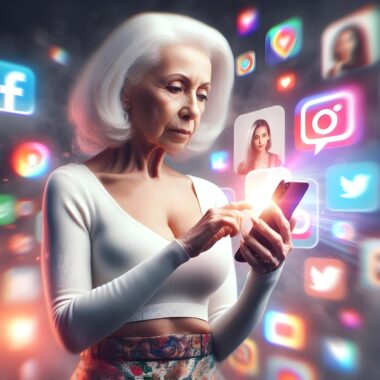
In addition to health monitoring, social connectivity is a key benefit of wearable fitness devices for seniors. Many modern wearables include social features that enable seniors to share their fitness achievements with family and friends. This sharing capability fosters encouragement and support, motivating seniors to remain active. Notifications, reminders, and challenges from loved ones can promote healthy competition, positively influencing users’ lifestyles. Moreover, built-in messaging and calling features on some wearables enhance communication between seniors and their caregivers. This direct communication can be crucial in emergencies, ensuring seniors can quickly seek help if needed. Enhanced communication through wearables provides peace of mind, not just for seniors, but also for their families. Many devices also connect to popular social media platforms, allowing seniors to share their progress in a larger community setting. Social interactions can fight feelings of loneliness and isolation, encouraging a more active lifestyle. Some wearables even host leaderboard features for friendly competition among users. Combining fitness and socialization serves a dual purpose, making exercise a more enjoyable experience for seniors everywhere.
Ease of Use and Accessibility
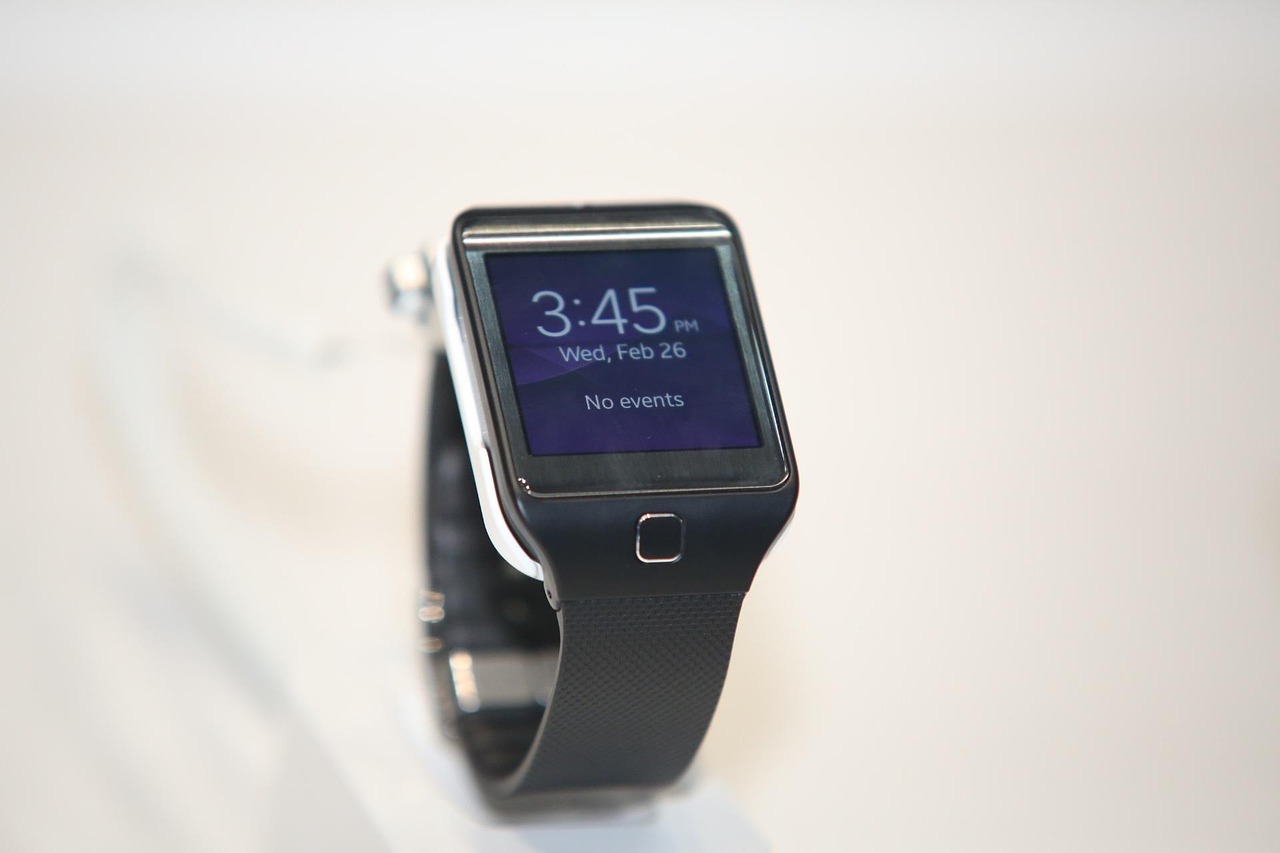
One of the most significant features of wearable fitness devices is their ease of use. Most modern wearables are designed with simplicity in mind, making navigation straightforward and intuitive for seniors. Many devices feature large buttons and clear screens to display information easily. With minimal settings to adjust, users can effortlessly track their fitness progress without getting overwhelmed by technology. Tutorials and support resources are often available online, allowing seniors to seek help when necessary. Additionally, voice commands and touchless technology provide another layer of accessibility, catering to seniors with limited mobility. Many devices come equipped with user-friendly interfaces designed for older adults, ensuring they can get started quickly. Calibration features often enable users to input personal health statistics, allowing for tailored recommendations. Additionally, customizable features such as font size and display colors can enhance readability. This attention to detail fosters a greater understanding of health metrics for seniors. Ultimately, a user-friendly experience leads to higher engagement, making it more likely for seniors to embrace an active and healthy lifestyle with wearable fitness devices.
As awareness of fitness and health trends grows among seniors, more resources are available to educate users about wearable fitness devices. Manufacturers invest in marketing and educational campaigns to inform seniors about the features and benefits of various devices. Training sessions at community centers or workshops can help seniors become more comfortable with technology. Local fitness organizations often develop partnerships with manufacturers to create programs that promote fitness among seniors. These partnerships can serve as crucial resources for balanced fitness education, helping seniors understand how to use wearable devices effectively. Many brands offer dedicated customer support lines that cater specifically to older customers, ensuring that users can receive assistance when needed. Online courses and tutorials can offer step-by-step guidance on optimal device usage. Moreover, online forums dedicated to seniors can provide insights from peers, creating a sense of shared community knowledge. This collaborative learning approach enhances the overall experience with wearable fitness devices and fosters confidence among users. An informed approach empowers seniors to navigate their health journeys with awareness, setting them up for success as they adopt wearable technology into their lives.
Future Trends in Senior Fitness
The future of wearable fitness devices for seniors looks promising, with advancements poised to revolutionize how this demographic engages with fitness. Innovations in artificial intelligence and machine learning are likely to enhance personalized coaching and feedback capabilities in wearable technology. Devices may become even smarter, recognizing patterns and offering tailored exercise suggestions based on activity levels. Enhanced gamification elements may also emerge, encouraging seniors to meet fitness challenges or milestones through interactive experiences. Furthermore, enhanced tracking capabilities could include not just physical activity, but also mental health metrics, fostering holistic well-being in seniors. More manufacturers are anticipated to prioritize the design of wearables with aesthetics that appeal to seniors. Collaborations between tech firms and healthcare professionals may lead to comprehensive health solutions that address multiple aspects of senior living. Integration with telemedicine services could emerge to facilitate remote health check-ins, providing convenience and accessibility for seniors. With increasing public awareness, such advancements will continue to bridge the gap between technology and health, leading to improved outcomes for seniors in the fitness space.
In conclusion, wearable fitness devices tailored for older adults significantly influence health and fitness trends in the senior community. They provide essential support for adopting healthier lifestyles, improving overall well-being. By incorporating advanced features such as health monitoring, social connectivity, and ease of use, these devices cater specifically to seniors’ needs and preferences. The potential for future innovations continues to grow, emphasizing the importance of keeping seniors engaged in fitness activities. The proactive adoption of wearable technology is likely to foster healthy habits, reducing the risk of chronic diseases. As technology advances, the wearable fitness device market will become increasingly accessible and tailored to seniors. Involvement in fitness-related communities and support networks strengthens the impact of these devices. Offering valuable insights allows seniors to take ownership of their health and fitness journey. By empowering seniors through wearable technology, we facilitate healthier, more active lifestyles, promoting longevity and improved quality of life. Embracing these trends reinforces the importance of self-care and personal health management among seniors, helping them rediscover their vitality and enthusiasm for life.