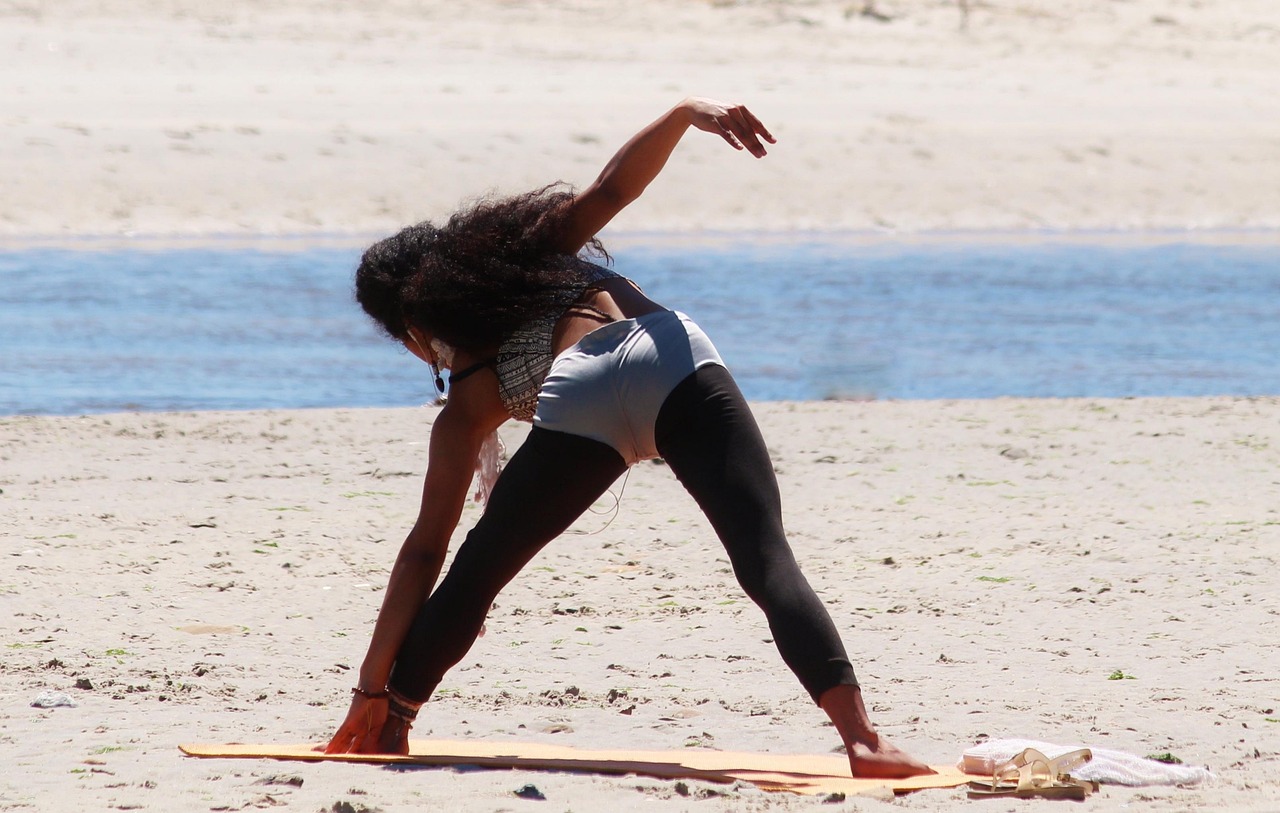

Deep Core Activation in Advanced Pilates Movements
Deep core activation is a pivotal component of advanced Pilates movements that enhances stability and strength. At the core of Pilates is the focus on the deep abdominal muscles, which include the transverse abdominis and multifidus. Integrating these muscles into your practice provides numerous benefits, including improved posture and reduced risk of injury. One effective way to initiate deep core engagement is through specific breathing techniques, allowing practitioners to connect with their body. By exhaling slowly, participants can draw their navel towards the spine, setting the foundation for more complex movements. This critical connection ensures that the deep core remains engaged throughout various exercises. The concept of the Pilates powerhouse centers around the core, which serves as a source of energy for all movements. As practitioners progress, they can explore variations that challenge their stability. Moreover, incorporating tools such as the stability ball or resistance bands can increase the intensity of a workout, engaging deeper layers. Understanding deep core activation is vital for master Pilates participants who want to elevate their practice to new heights of strength and control.
One of the advanced techniques for deep core activation is the use of the Pilates reformer. This versatile apparatus allows for a range of exercises that can effectively target the deep core muscles. For instance, performing a series of footwork sequences can challenge your stability while simultaneously engaging your core. It’s essential to maintain proper alignment throughout these movements, ensuring that the head, neck, and spine remain in a neutral position. As you progress, incorporating variations such as single-leg footwork can further engage your deep core. By reducing the base of support, your body must work harder to stabilize, leading to improved muscle activation. Another innovative technique involves integrating the use of the Pilates ring during mat exercises. The resistance from the ring creates a dynamic challenge, urging the deep core muscles to engage continuously as you execute movements. Practicing exercises such as the teaser or the hundred with the ring can significantly enhance core stability. The focus should remain on quality over quantity, prioritizing precise movements that reinforce core activation and ensure efficient energy transfer through the body.
The Role of Breath in Activation
Breath plays an integral role in deep core activation during advanced Pilates techniques. The connection between breath and core engagement can enhance overall performance and outcomes. Practitioners should learn to coordinate their breath with movement, utilizing the exhale to draw the deep core in, which fosters a sense of stability. The inhales should provide the opportunity to elongate and expand the torso. A beneficial technique is the “scoop” method, which emphasizes pulling the belly button towards the spine with each exhale. Integrating this breath pattern helps keep the deep core engaged, crucial for complex sequences such as the roll-up or side plank. Additionally, utilizing diaphragmatic breathing can decrease tension in the upper body while promoting relaxation. This method allows the core muscles to engage more effectively, facilitating advanced movements. Regular practice allows the muscles involved in deep core activation to develop strength and endurance. Ultimately, understanding the breath’s role is vital for achieving mastery in advanced Pilates, fostering not just physical ability but also mental focus throughout each practice.
Engaging the pelvic floor is another essential aspect of deep core activation. The pelvic floor muscles provide crucial support for the deep core, forming a girdle of muscle around the body. In advanced Pilates techniques, ensuring these muscles are activated can enhance core strength and stability significantly. A technique known as
Another advanced movement that emphasizes deep core activation is the Pilates saw exercise. By performing this exercise, practitioners engage their core as they rotate and reach, promoting spinal mobility while challenging the stability of their center. Attention must be given to maintain a neutral pelvic alignment throughout the entire movement. Additionally, adding layers to traditional leg lifts can intensify the activation of deep core muscles. When lifting the legs, ensure that the lower back remains flat against the mat, using the deep abdominals for stabilization. As one progresses in their Pilates practice, the incorporation of dynamic movements such as the side-lying series can further challenge and engage the core. These series promote lateral stability while working on control and precision. Advanced practitioners can incorporate arm movements to add an additional layer of complexity, requiring coordination and enhanced core activation. Through consistent practice of these advanced techniques, individuals will develop a greater understanding of their deep core connection and experience significant improvements in overall strength and stability.
Dynamic Movement Sequences and Deep Core
Dynamic movement sequences are vital for mastering advanced Pilates techniques focused on deep core activation. By incorporating movements like the plank variations, students can simultaneously enhance strength and flexibility. These exercises challenge the body while requiring deep core muscles to engage persistently. For instance, transitioning from a forearm plank to a side plank requires careful control and a strong core connection to maintain balance and alignment. Practitioners should pay close attention to their form, as misalignment can hinder both effectiveness and results. Even the humble bridge exercise can be transformed into an advanced skill through the addition of single-leg variations. This not only engages the deep core but also enhances overall lower body strength. Practicing controlled movements ensures that the deep core is engaged effectively while allowing for a fluid transition between exercises. Moreover, incorporating plyometric elements like jumps further activates the core, reinforcing its role during sudden movements. Advanced Pilates allows individuals to explore their limits, connect with their bodies, and foster athletic performance through these innovative deep core activation techniques.
In conclusion, deep core activation forms the foundation of advanced Pilates techniques, providing the necessary strength for stability and control. Understanding the relationship between breath, pelvic floor engagement, and movement is critical for overall effectiveness. Practitioners can significantly enhance their performance through focused exploration of various tools and techniques like the reformer, ring, and dynamic sequences. Commitment to regular practice ensures improvement in posture, core strength, and overall physical well-being. This mastery leads to increased capabilities in daily movements, transfers to other physical activities, and enhances athletic performance. It also increases body awareness and develops mental focus, making Pilates not just a physical practice but a holistic journey towards self-discovery. The continuous challenge of advanced techniques allows participants to deepen their understanding of their bodies while achieving impressive physical results. Ultimately, deep core activation is not just about fitness; it’s a pathway to understanding the body, promoting health, and enhancing quality of life. As practitioners embrace the process of mastering these movements, they experience personal growth beyond the studio in every aspect of their lives.
Maintaining motivation through advanced movements can be challenging. It’s essential to set realistic goals and celebrate small successes. Consistent practice, paired with engagement in the Pilates community, can provide support and encouragement necessary for progress. Each individual’s journey is unique, so patience is critical. Understanding that mastery takes time helps practitioners remain engaged and motivated in their practice. The multifaceted benefits of Pilates extend beyond just physical gains; they help in building confidence and resilience. Movement is a celebration of what the body can achieve; therefore, cultivating a positive mindset can enhance the Pilates experience. By focusing on gratitude for what your body can do while progressing through advanced movements, joy and satisfaction can thrive in every session. Exploring various studios or classes may renew enthusiasm for the practice and invigorate commitment. Whether through workshops, online videos, or group classes, finding fresh perspective can enrich your understanding and connection to Pilates. Overall, integrating deep core activation into advanced techniques requires dedication, and focusing on the journey is as crucial as achieving the result. Embrace each step and enjoy the continual growth it brings.