
Portable Smart Rehabilitation Devices for On-the-Go Fitness Recovery
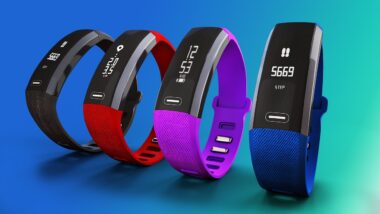
Rehabilitation is an essential component of fitness and wellness, with the aim of optimizing recovery. Portable smart rehabilitation devices represent a groundbreaking advancement in this field. By seamlessly integrating technology into recovery routines, these gadgets offer a unique way to enhance physical therapy on the go. Whether you are an athlete or a fitness enthusiast, these devices provide an effective solution for managing injuries and preventing future complications. Modern portable rehabilitation devices often come equipped with sensors and connectivity features that allow users to track their progress. Many of these gadgets utilize apps to provide personalized feedback and instructional videos. This form of empowerment enables individuals to take charge of their rehabilitation process truly. Furthermore, convenience plays a significant role in the appeal of these devices; they are compact and lightweight, making them easy to carry wherever you may go. Utilizing these devices can help maintain a consistent rehabilitation routine while fitting into a busy schedule. Whether during travel or inclined domestic settings, these devices facilitate recovery anytime, anywhere, greatly improving overall fitness and well-being.
Types of Portable Rehabilitation Devices
There are various types of portable smart rehabilitation devices available to assist individuals in their recovery journeys. Each device usually serves a specific purpose and targets different bodily areas. A few popular types include electrical stimulation units, therapy bands, and massagers. Electrical stimulation devices are primarily designed for muscle recovery, utilizing electrical impulses to promote healing. Users can apply these units on the go, making them functional for many environments. Another innovative category involves therapy bands that provide resistance training, allowing users to perform gentle exercises to strengthen muscles and improve flexibility. These bands are versatile, easily stored in bags, and can be adjusted for different resistance levels. Additionally, smart massagers are becoming increasingly popular, combining soothing massage techniques with biometric feedback. They help recover strained muscles while providing relaxation and stress relief simultaneously. Most devices feature intuitive interfaces that connect to applications, facilitating tracking and progress monitoring actively. It is crucial for prospective users to determine which device best aligns with their rehabilitation goals and lifestyle needs. Assessing the benefits and functionality can lead to optimal recovery outcomes and enhance workout efficiency.
Portable rehabilitative technology not only aids in recovery but also emphasizes the importance of data tracking. Many smart rehabilitation devices include applications that record user data, providing valuable insights into progress. This data-driven approach enables users to set achievable goals and monitor their improvements over time. Having access to such information increases motivation, as individuals are often encouraged by their advancements. The analytical components of these devices contribute to building a tailored rehabilitation plan, addressing personal needs and fluctuations in recovery. Some key features in these apps may include tracking muscle tension levels, mobility metrics, and even pain levels. This comprehensive overview allows adjustments in recovery strategies based on actual performance rather than guesswork. Moreover, some apps provide reminders for therapy sessions, ensuring that users stay committed to their plans. Maintaining consistency is essential for successful rehabilitation. The social aspects of rehabilitation technology are also noteworthy; individuals can connect with trainers and therapists through these platforms, receiving professional support while allowing for personalized guidance. The integration of community and data fosters a supportive environment that buoyantly enhances the rehabilitative journey.
Advantages of Smart Rehabilitation Devices
Smart rehabilitation devices offer numerous advantages, significantly enhancing the recovery process for users. One of the main benefits is convenience; many of these gadgets are portable, allowing individuals to perform therapeutic exercises anywhere. Users are no longer confined to clinics or therapy sessions as the technology fits naturally into daily routines. This accessibility ensures compliance, a critical factor in successful recovery. Furthermore, these devices often incorporate user-friendly interfaces that guide patients throughout their recovery journeys. Clear step-by-step instructions and visual feedback increase user engagement, promoting better understanding. Additionally, most smart devices provide measurable data regarding recovery progress, empowering users to take charge of their health. This data helps in accurately tracking improvements and addressing any hesitations about progressing with exercises. Moreover, the affordability of some devices makes them accessible to a broader audience, allowing more individuals to benefit from advanced rehabilitation technology. Overall, these advantages make smart rehabilitation devices a valuable asset in the fitness and wellness industry. As technology continues to advance, users can expect even more features, enhancing the efficacy of their fitness recovery efforts.
Utilizing portable smart rehabilitation devices is not without considerations, as users should also be aware of potential challenges. One primary concern is the accuracy of data collection; while many devices are designed with precision in mind, inaccuracies may arise depending on the user’s application and external factors. Users must be educated about the importance of correct usage to ensure reliable data tracking. Additionally, there is a learning curve when using new technology; individuals may experience initial frustration while becoming familiar with device functionality. To overcome this hurdle, companies often provide instructional support and customer service. Users should take advantage of these resources to maximize the benefits offered. Another consideration is the integration of professional guidance throughout the rehabilitation process. While smart devices can be highly effective, consulting with healthcare providers to develop a comprehensive recovery plan is recommended. Balancing technology use with professional insight creates an optimal recovery scenario. Lastly, budget constraints may limit access to high-quality devices. However, numerous options exist, catering to various price ranges without sacrificing essential functionality. Exploring options can lead to discovering affordable yet effective rehabilitation tools.
Choosing the Right Device for You
Choosing the right portable smart rehabilitation device can be a daunting task, given the plethora of options available on the market. Users must consider several factors to ensure they select a device that meets their specific recovery needs. Firstly, it is crucial to identify the area requiring rehabilitation and selecting a target-focused device. For instance, if the primary concern involves muscle recovery after workouts, an electrical stimulation device may be the optimal choice. Conversely, if flexibility and strength are the goals, resistance bands might serve better. Secondly, evaluating the available features and functionality will be key. Many devices incorporate various levels of intensity and modes of use, which should align with one’s comfort and experience levels. Choosing a device with adjustable settings allows for customized progress tracking. Additionally, personal preferences such as size, portability, and ease of use should also be factored into the decision. Reading user reviews and consulting with fitness professionals can provide enlightening perspectives on different devices. Finally, considering a budget before making a purchase helps streamline the selection process, ensuring a practical choice that provides valuable benefits in rehabilitation.
As rehabilitation technology advances further, future trends indicate the integration of even more innovative solutions. Wireless technology is expected to lead the charge in transforming user experience. Devices that connect seamlessly with other smart gadgets, such as wearables, will offer a more holistic approach to fitness recovery. For instance, users will benefit from integrated devices syncing data with their overall fitness metrics, allowing for comprehensive insights into well-being. This convergence of technology leads to more intelligent solutions in recovery where users can experience real-time feedback. Moreover, artificial intelligence is anticipated to play a significant role, personalizing recovery plans based on individual user behavior and preferences. Such advancements will help therapists and trainers craft superlative rehabilitation strategies tailored specifically for each user. Additionally, as awareness around mental health grows, devices that address psychological aspects of recovery will emerge. Incorporating elements such as gamification could enhance motivation levels and engagement. Overall, the future looks promising for portable smart rehabilitation devices, marking a positive trajectory towards enhancing fitness recovery experiences for users everywhere.
The implementation of portable smart rehabilitation devices has the potential to pave the way for more inclusive fitness regimens. Communities will eventually benefit as more individuals become aware of the importance of recovery in their fitness journeys. By removing barriers to effective rehabilitation, people will be more empowered to pursue fitness goals actively. As the stigma surrounding injuries and rehabilitation decreases, platforms promoting healthy dialogue will flourish. With an increased emphasis on preventive care, the importance of investing in rehabilitation technology will appreciate significantly. As fitness culture embraces recovery-oriented practices, portable smart rehabilitation devices will seamlessly blend with lifestyle choices, prioritizing health and well-being. Furthermore, collaborations between tech companies and healthcare professionals can ensure that devices continue to meet evolving user needs effectively. Workshops, educational sessions, and community outreach programs can also help disseminate knowledge about the value of adopting rehabilitation technologies. Boosting confidence through education encourages individuals to incorporate these devices into their routines confidently. By taking ownership of their rehabilitation, users not only enhance their recovery but also contribute to a broader movement promoting wellness, making fitness technology a vital element in contemporary health and fitness discussions.