
Group Dance Therapy: Building Social Connections
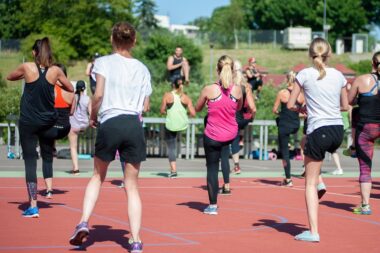
Group dance therapy serves as a creative platform where participants can connect with others through movement, expression, and rhythmic activities. This therapeutic approach enhances emotional well-being while encouraging social interaction among participants of diverse backgrounds. It provides an inclusive atmosphere that promotes acceptance, understanding, and friendship among individuals, fostering strong bonds and social networks. In these classes, participants engage with others in a warm environment that values collective experiences, facilitating relational growth. The rhythmic nature of dance naturally draws participants together, helping to break down barriers and encourage teamwork. Every session can lead to the development of new relationships, as individuals support and uplift one another through dance. In this shared experience, trust blossoms, and connections deepen, ultimately enriching participants’ lives. Dance therapy creates a unique space where emotional expression can flourish, which is vital in many people’s lives. Overall, group dance therapy provides numerous benefits, and its transformative power cannot be overlooked. The collaboration experienced in these sessions transcends mere movement, reaching deep emotional connections that can last a lifetime, adding richness to the overall therapeutic experience.
One significant aspect of group dance therapy is its potential for improved mental health outcomes. Many people use dance as a medium to express emotions that may be difficult to articulate verbally. Through time spent together in these classes, participants often find a sense of relief from the burdens they may carry alone. Stress reduction and anxiety alleviation are increased as dance encourages physical expression and releases built-up tension. Furthermore, the camaraderie developed within the group fosters a supportive environment that encourages all members to engage wholeheartedly in their therapeutic journey. In this setting, individuals can find solace in knowing they are not alone in their struggles. Through the shared experience of dance, feelings of isolation often diminish, replaced by a communal sense of empathy and understanding. Each dance movement experienced in these classes symbolizes unity. Consequently, feelings of empowerment emerge, encouraging members to take ownership of their healing processes. The significance of emotional healing cannot be overstated, enabling participants to embrace their vulnerabilities in the safety of group settings. This supportive dynamic ultimately nurtures participants’ self-esteem and confidence, vital to personal growth.
Physical Benefits of Dance Therapy
Engaging in group dance therapy not only nurtures emotional well-being but also provides various physical benefits that enhance overall health. As participants engage in energetic activities, their cardiovascular health improves, contributing to a more robust and healthier body. Regular movement helps increase flexibility, strength, and coordination, all of which are essential components of physical fitness. Moreover, the regular practice of dance allows individuals to tone muscles and improve balance, leading to greater body awareness. When participants dance together, they motivate and inspire each other to push their physical limits, promoting a sense of healthy competition. This encouragement can lead to increased levels of stamina and endurance as individuals challenge one another during each session. Additionally, dancing helps combat sedentary lifestyles, which are increasingly prevalent in today’s society. This is particularly important as physical inactivity is linked to numerous health problems, including obesity and heart disease. Group dance therapy cultivates a love for movement and activity that can have lasting effects beyond the classroom. Participants often find themselves more motivated to remain active in their daily lives, supported by their new friendships.
An essential component of group dance therapy is its ability to foster creativity in participants. When individuals engage in various dance styles during therapy sessions, they often discover hidden talents and skills that were previously untapped. This exploration offers an outlet for self-expression, which can be liberating and transformative. Each session creates opportunities for participants to experiment with movement, allowing them to connect with their inner selves, and express thoughts and feelings through aesthetic forms. The guiding presence of trained facilitators enhances this creative experience, providing cues and support that encourage participants to delve deeper into their movement potential. Increased creativity has numerous psychological benefits, including enhanced problem-solving abilities and improved cognitive functioning. Through dance, individuals build a strong sense of identity and self-awareness, which strengthens their connection to the group. As they explore various dance styles, participants often bond over shared interests. This creative aspect of dance therapy makes it not just beneficial for emotional and physical health but also a fun and enjoyable pursuit that can enrich overall life experiences.
Encouraging Inclusivity in Dance Therapy
Group dance therapy is particularly noteworthy for its emphasis on inclusivity, welcoming individuals from various backgrounds, abilities, and experiences. It effectively supports individuals with different challenges, including those facing physical mobility issues or mental health conditions. The adaptable nature of dance allows everyone to find joy in movement, regardless of their limitations. In creating an inclusive space, participants benefit from recognizing and celebrating diversity, which fosters understanding and acceptance. As individuals dance together, varied backgrounds blend, enriching the overall experience, and empowering participants to learn from one another. This collaborative aspect ensures that each participant feels valued and heard, reinforcing their sense of belonging. Facilitators play a vital role in nurturing this environment, encouraging open communication and collaboration within the group. This approach emphasizes the significance of cooperation. As trust builds, participants become more receptive to exploring the therapeutic benefits of dance, leading to significant personal growth. Ultimately, fostering inclusivity makes group dance therapy an inviting approach, proving essential in creating environments where individuals build authentic connections and share their experiences freely.
The social connections formed in group dance therapy can have meaningful, long-term effects on individuals’ lives. Research shows that positive social interactions contribute significantly to overall happiness and emotional well-being. Dance therapy participants often leave sessions not just with physical fitness improvements but with cherished friendships that provide lasting support networks. These relationships continue to develop outside of the studio, encouraging individuals to remain connected and engaged in various social activities. The sense of belonging established during therapy sessions often transfers into participants’ everyday lives, fostering ongoing social engagement. Supportive friendships formed in this therapeutic context can serve as crucial buffers against stress and emotional challenges. Engaging with others who understand their experiences can comfort individuals facing various life adversities. Participants often find they can share their joys and struggles, creating a tight-knit community rooted in mutual understanding. This ongoing social connection remains a significant aspect of the therapeutic process, actively contributing to maintaining mental health and stability. Ultimately, the relationships forged in group dance therapy extend beyond the dance floor, enriching participants’ lives on multiple levels.
Conclusion: Embracing Dance as Therapy
In conclusion, group dance therapy provides numerous benefits that enhance not only physical health but also emotional and social well-being. Through the transformative power of dance, participants cultivate connections with one another, enabling them to form significant relationships that last. As individuals engage in dance, they explore their creative potential while experiencing improved mental health. Furthermore, the inclusive nature of these classes fosters a supportive community where people feel valued and understood. The physical benefits, such as enhanced fitness and body awareness, often motivate individuals to embrace an active lifestyle beyond the sessions. As friendships develop, participants gain access to meaningful support networks that help them navigate life’s challenges. Ultimately, group dance therapy provides a unique, fulfilling way to improve overall quality of life while celebrating diversity and connection. The rhythm of movement brings people together, transforming their lives and empowering them to heal through dance. As more individuals recognize and appreciate these benefits, group dance therapy may continue to play a pivotal role in promoting emotional health and social connection among diverse communities.
As a result, it becomes increasingly clear that group dance therapy practices serve vital roles beyond simple recreational activities. They encourage personal connections, emotional expression, and physical wellness. This multifaceted approach creates a safe space where participants can unite and thrive together. Therefore, the power of group dance therapy should not be underestimated as a valuable resource for enhancing collective well-being.