
Using Foam Rolling and Massage for Better Muscle Flexibility
Flexibility is crucial for overall physical health and performance, helping to prevent injuries and improve range of motion. One of the most effective methods for enhancing flexibility is through massage techniques, particularly foam rolling. Foam rolling is a self-myofascial release technique that helps ease muscle tightness and improve blood flow. By targeting specific muscle groups, foam rolling aids in lengthening and loosening tissues, which enhances flexibility. Regularly incorporating foam rolling into your routine can lead to significant gains in not only flexibility but also mobility. Additionally, combining foam rolling with professional massage techniques can provide even greater benefits as professionals can target deeper layers of muscle. As you explore the benefits of these techniques, remember that consistency is key. Though foam rolling can be mildly uncomfortable, it is essential to listen to your body and ease into it gradually. Start with short sessions and gradually increase your time on the foam roller as your muscles adapt and respond positively. With patience and persistence, foam rolling can be a game-changer in your flexibility journey.
Foam rolling offers numerous benefits that extend beyond flexibility enhancement. The mechanism behind foam rolling involves applying pressure to knots and tight areas in muscles, which can lead to improved circulation and reduced muscle soreness. As pressure is applied, the tissues are encouraged to release tension, thus promoting relaxation. To maximize the effectiveness of foam rolling, ensure proper technique is utilized, targeting both major and minor muscle groups. Focus on areas that feel especially tight or sore. Additionally, incorporating breathing techniques while foam rolling can further enhance relaxation. Inhale deeply while rolling to help maintain a calm mindset and exhale as you roll over tight muscles, allowing for deeper penetration and release. Experiment with various foam rollers, as they come in different densities and sizes, catering to individual preferences. Some may prefer softer rollers, while others opt for firmer ones for deeper pressure. To fully integrate foam rolling into your routine, it’s best to use it not only post-workout but also on rest days. Find a regular schedule that works for you, and soon you will notice a marked improvement in both flexibility and muscle relaxation.
Techniques for Foam Rolling Effectively
To roll out tight muscles effectively, it’s crucial to understand some techniques that can maximize your benefits. Begin each session by identifying the areas that require attention. Commonly, athletes experience tightness in the quadriceps, hamstrings, and back. Start by positioning yourself over the foam roller, allowing it to rest under the targeted muscle group. Use your body weight to apply pressure and slowly roll back and forth. Focus on maintaining a steady pace and avoid rolling too quickly. Take at least 30 seconds per muscle area, keeping an eye out for regions with knots; pause on these spots for a few seconds to release tension. Reposition accordingly to ensure that all major groups are addressed. Incorporate various movements such as side-to-side or circular motions for comprehensive relief. Remember to stay hydrated before and after your session, as this helps in flushing out toxins released from the muscles. Regular foam rolling as part of your routine should be complemented by stretching and hydration for optimal results. Developing a routine that includes these techniques may encourage improved performance and increased flexibility.
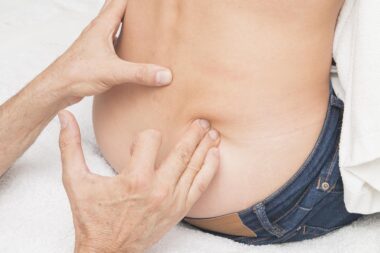
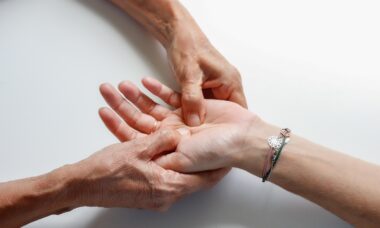
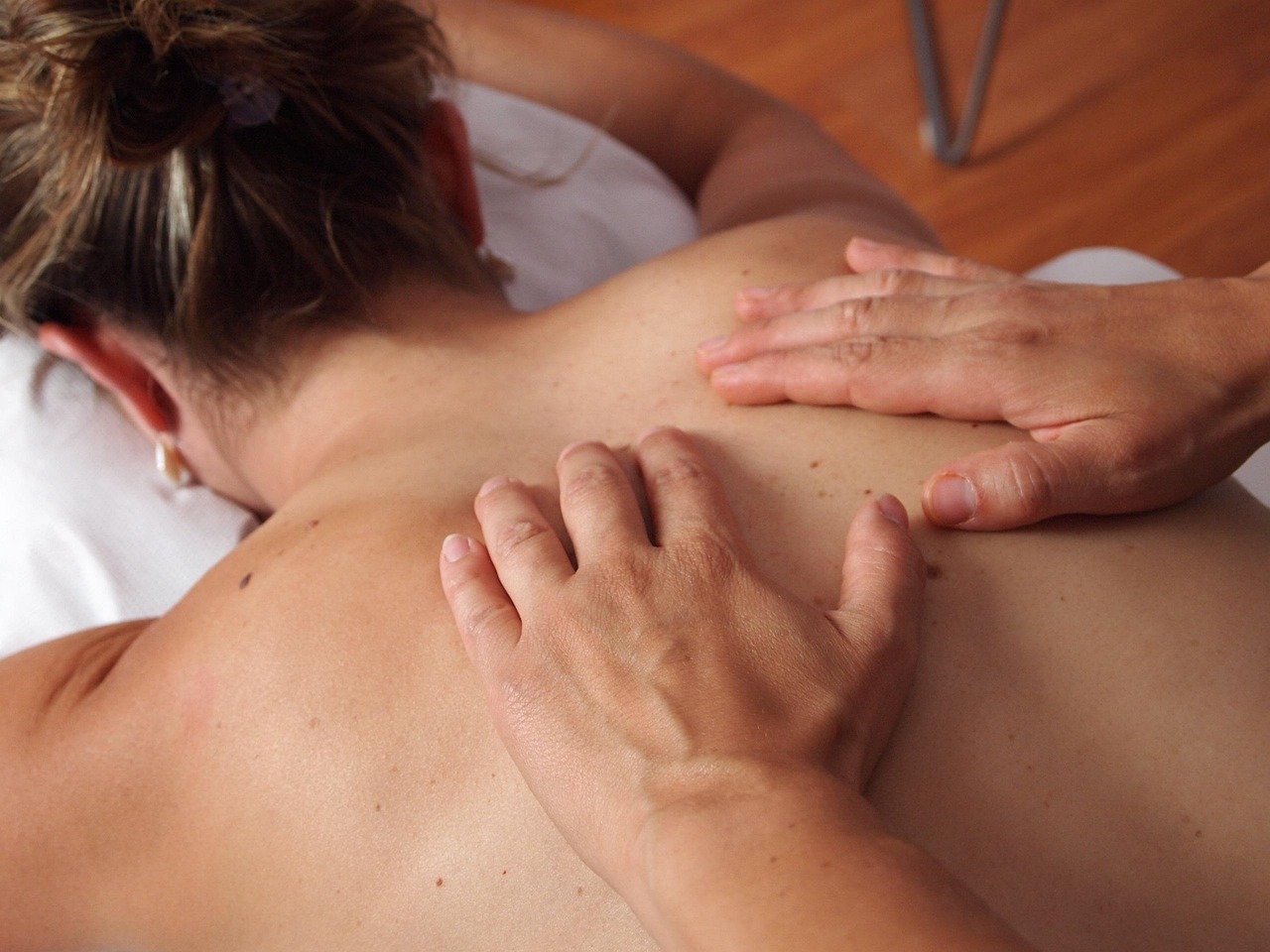
Massage therapy is another powerful tool for improving flexibility and overall muscle health. A professional massage can target deep muscle layers, helping to alleviate tension that foam rolling alone might not reach. Various massage techniques, such as deep tissue massage, trigger point therapy, and sports massage, can enhance your flexibility. Schedule regular sessions with a qualified massage therapist experienced in these techniques. Each massage session will focus on specific problem areas, helping to improve the connective tissue’s elasticity and muscle flexibility. As with foam rolling, it’s essential to communicate openly with your therapist about discomfort levels and specific areas of tension. They can adjust the pressure and techniques accordingly. It is also beneficial to combine massage therapy with active stretching exercises to maximize the positive effects on flexibility. After a massage, your muscles are primed for deep stretching, as they are more relaxed and pliable. This synergy of massage followed by stretching can markedly improve muscle function and overall flexibility. Overall, integrating both foam rolling and massage into your routine can yield remarkable results for your flexibility goals.
Stretching and Mobility Work
Incorporating a well-rounded stretching regimen into your workout routine is essential to complement foam rolling and massage techniques. Stretching not only enhances muscular flexibility but also promotes mobility and joint health. Incorporate both static and dynamic stretching into your routine. Static stretches can be performed after foam rolling to maintain muscle relaxation obtained through massage and rolling. Hold each static stretch for at least 15 to 30 seconds to ensure adequate muscle elongation. On the other hand, dynamic stretches should be done before engaging in physical activity, warming up the muscles and preparing them for motion. Include activities like leg swings, arm circles, and torso twists in your dynamic stretching routine. The combination of foam rolling, massage, and stretching optimally primes your muscles for flexibility and function. Practicing yoga and Pilates can also serve to improve flexibility while promoting balance and strength. Consistency in these practices will increase your range of motion and reduce the risk of injury, ultimately allowing you to achieve your fitness and wellness goals more effectively. Explore different stretches that target various muscle groups to enhance your overall flexibility.
Listening to your body is paramount when incorporating massage, foam rolling, and stretching into your routine. Each person’s responses to these techniques can vary significantly, so it’s important to recognize when your body signals discomfort or pain. If you experience sharp pain during foam rolling or stretching, it is advisable to stop and assess your technique or consult a professional. Remember that flexibility takes time to develop, and forcing it can lead to further injury. Start at your current ability level and gradually increase the intensity as you build strength and flexibility. Keeping a journal to track your progress may also be helpful as it allows you to notice improvements over time. As you engage in these practices, take note of daily discomfort levels, flexibility gains, or areas that demonstrate consistent tightness. This data can be incredibly valuable for tailoring your routine effectively. Moreover, as your flexibility improves, you may find yourself more confident in pursuing new physical activities or sports. Continue to stay motivated by regularly revisiting your flexibility goals and updating your strategies accordingly, ensuring sustained progress over time.
Conclusion
In conclusion, enhancing flexibility requires a multifaceted approach, combining foam rolling, massage therapy, and stretching techniques. Each component plays an essential role in achieving desired flexibility and mobility. Regularly implementing these techniques will lead to greater muscle recovery, enhanced performance, and a reduced risk of injury. Engage with both foam rollers and massage therapists frequently, ensuring you are addressing both surface and deep tissues effectively. Additionally, incorporate targeted stretching exercises tailored to your individual needs while remaining aware of your body’s responses. By doing so, it’s possible to promote a healthier and more flexible body. Remember, the journey to enhanced flexibility does not happen overnight. Commitment and patience are necessary, as these techniques are cumulative in their benefits. Embrace the process, and enjoy discovering the improvements that may come. Whether you are an athlete, a fitness enthusiast, or simply someone wishing to improve your mobility, foam rolling and massage techniques can be life-changing. Make it a point to prioritize flexibility, as it is not only beneficial for physical activities but essential for maintaining overall wellness and mobility as you age.