
Tech Innovations for Triathletes: Swimming Focus
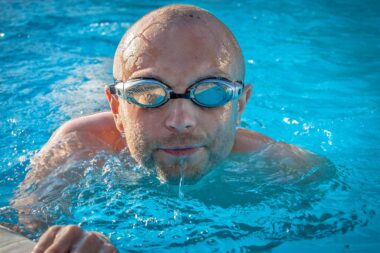
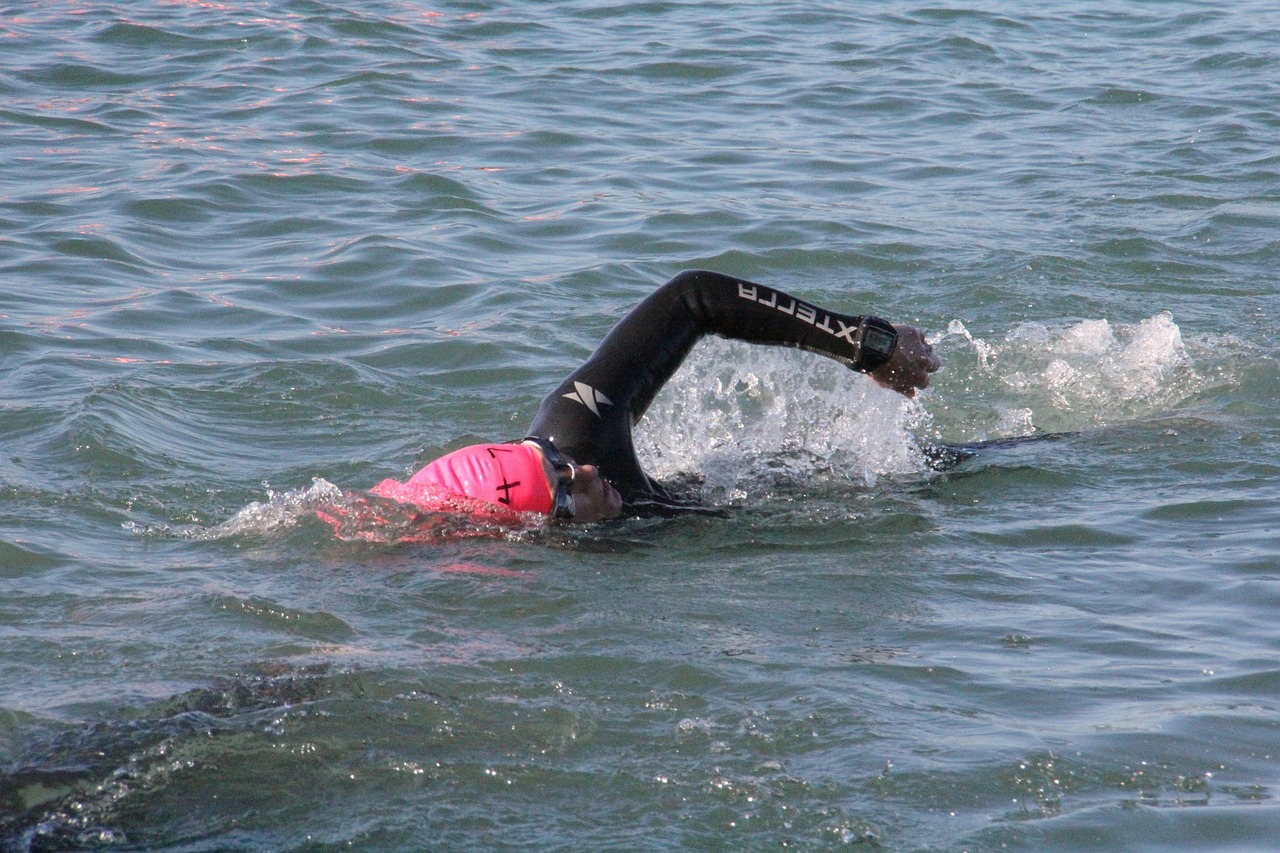
In the world of triathlons, where every second matters, swimming technology has taken big strides forward. Triathletes now rely on advanced aquatic wearables that track metrics like stroke count, lap times, and heart rate, giving athletes valuable feedback in real-time. These devices can sync seamlessly with swimming apps, offering an integrated experience to analyze performance in detail. Innovations like smart goggles enhance underwater visibility while displaying essential data, such as pacing splits and distance swum. Not only do they improve performance but also boost compliance in training sessions. Next-gen swimsuits feature hydrodynamic fabrics and strategically placed panels that reduce drag, ultimately leading to faster race times. Moreover, various apps are designed specifically for swimmers, allowing data-sharing capabilities with coaches and fellow athletes, fostering a supportive community focused on improvement. Many of these applications also incorporate video analysis, visually breaking down a swimmer’s technique to identify areas needing adjustment. This combination of cutting-edge technology and user-friendly software has transformed swimming for triathletes, making practices more efficient and enjoyable than ever before, all while ensuring their preparation for race day is effectively tailored.
Moreover, training applications have emerged as central tools for triathletes, merging connectivity with functionality. These apps serve a dual purpose: monitoring progress and building a social network. Athletes can log their workouts, track improvements, and set personal records. Trying out different drills becomes more exciting with the gamified elements many apps offer. Another significant benefit is video consultations where swimmers can connect remotely with expert coaches. These specialists can provide insights into technique through video form, allowing tailored feedback to enhance performance. Additionally, sensors embedded in swim caps provide even more precision in analysis by measuring speed, distance, and body positioning during swims. Integrated with mobile apps, this real-time data allows triathletes to adapt their training on the fly. Triathletes benefit immensely from the ability to track fatigue levels, which helps in preventing overtraining while maximizing workout efficiency. Finding patterns in training to bolster performance is a strength of modern swimming technology that athletes continue to leverage successfully. Each new feature continuously updates the athlete’s approach, aligning well with their goals for upcoming races.
Smart Equipment and Its Benefits
Smart swim equipment is revolutionizing the training routines of triathletes everywhere. Among the most impressive are smart paddles and fins that measure power output as well as the efficiency of each stroke. Athletes can then adjust their techniques based on these insights for improved performance in competitions. Such devices utilize Bluetooth connectivity to sync with mobile applications that store training data, allowing for long-term performance tracking. Enhanced feedback not only fosters quicker improvement but also keeps motivation high by visibly demonstrating progress. Pioneering devices in swim technology can measure kick strength and even provide feedback on breathing technique. These insights can guide athletes in executing more effective workouts tailored to their individual needs. One of the key benefits is that they can identify weaknesses, enabling athletes to hone their skills and become more well-rounded swimmers. Another emerging trend is virtual coaching, where swimmers dive into their favorite swim apps for guided workouts. This interactive platform offers personalized training plans and even includes adaptive workouts based on collected data, pushing athletes toward their peak performance. Such tools couple excitement with efficiency, greatly enhancing triathlon training.
Many smartphone applications are specifically tailored for swimmers, empowering athletes to optimize their training sessions. These applications provide invaluable resources to refine stroke mechanics and adjust various techniques. Swimmers can access an extensive library of instructional videos, showcasing proper techniques for every stroke. By using augmented reality features, athletes can visualize their movements and identify improvements. Integration with heart rate monitors allows for comprehensive analysis of physiological response during each session, thus helping athletes tailor their intensity levels accordingly. This technological infusion in swimming aids in maintaining proper workout intensities, improving endurance and speed. When combined with fitness wearables, these applications can provide more in-depth analytics, showcasing trends over weeks and months. This capability makes it easy for triathletes to create data-driven training programs that adjust to their evolving abilities. Reviews from users highlight the overall satisfaction with the accessibility and plethora of resources available, emphasizing the importance of education alongside training. Engaging in such communities can also drive passion while providing meaningful support among fellow athletes, reinforcing the empowerment that technology brings. Enthusiastic triathletes eagerly await the next wave of innovations in their pursuit of excellence.
Connected Training for Teamwork
Connected training also facilitates teamwork within the sport of triathlon by fostering collaboration among athletes. Training apps often have social features where teammates can share workouts, competing in challenges to spur motivation. This connectivity encourages engagement and commitment to training sessions, resulting in more productive workouts. Particularly beneficial for triathletes, who usually train in solitary environments, these breakthroughs significantly enrich the training experience. Coaches too can monitor their athletes’ progress using cloud-based platforms integrated within various swimming apps. This direct communication allows immediate adjustments in training approaches based on individual feedback and performance metrics, making sessions more effective. The versatility these apps provide is crucial in creating personalized training for each athlete, taking their unique strengths and weaknesses into account. What’s more, sharing fitness milestones on social media boosts accountability, pushing triathletes forward toward their goals. With supportive virtual communities forming around these platforms, engagement fosters a culture of achievement. The interplay of teamwork in training mixes seamlessly with technology, creating an ecosystem where each member thrives while striving for personal improvement. It symbolizes the positive aspects of collaboration tied into competitive spirit, keeping the excitement alive.
Improved recovery technology is another promising innovation for triathletes. With devices designed to expedite muscle recovery, including compression sleeves and massage tools, athletes can now minimize post-workout soreness. Wearable recovery monitors track athletes’ biometrics, thereby assessing recovery speed after training sessions. These insights are pivotal in managing athletes’ long-term training loads, ensuring they recover sufficiently. Many triathletes now incorporate technologies like electrical stimulation devices in their routine, helping to relieve muscle tension and stimulate recovery. The integration of recovery tech into swimming training enables athletes to prepare more effectively for rigorous swim sessions. Coupled with nutrition-tracking apps, triathletes can also monitor their dietary intake; vital data correlates diet plans with performance outcomes. Awareness of hydration and nutrient timing becomes second nature, ultimately fueling workouts for continued success. Collectively, these advancements in recovery technology form a crucial component of successful training regimens, emphasizing the necessity of balance. Athletes are now more equipped than ever to maintain peak performance levels through proper recovery protocols. The future of athletic training hinges on this synergy between performance monitoring and recovery, fostering an environment for ongoing evolution.
Future of Swimming Technology
Looking ahead, advancements in swimming technology will continue to shape the landscape of triathlon training. Innovations such as AI-based coaching and even biometric swimsuits are on the horizon, promising to revolutionize the sport completely. As technology becomes more accessible, swimmers can expect ultra-customized training programs based on real-time data. The evolution of artificial intelligence in coaching applications will lead to unparalleled precision in analysis, elevating training protocols further. Swimmers can also anticipate the emergence of materials that adapt to swim environments, enhancing buoyancy and reducing resistance, optimizing performance. Environmental consciousness will drive the design of sustainable products, combining performance with eco-friendliness. The interactivity of training platforms will grow, allowing for improved communication among athletes, coaches, and enthusiasts. Additionally, the growth of virtual and augmented reality may soon redefine the way swimmers practice techniques. Athletes will be able to simulate race day conditions, enhancing their preparation routines. Ultimately, technology continues to cultivate higher performance standards in triathlons, promising to empower athletes at all levels. They will not only witness the metamorphosis of techniques but also benefit from a future ripe with opportunities for improvement.
As we embrace future possibilities, continuous research will unlock new interfaces in swimming technology, enhancing athlete training beyond what was previously imaginable. Swimmers must stay connected to trends and innovations to fully leverage these platforms to their advantage. Communities surrounding triathlon technology will play vital roles in sharing insights and best practices, further pushing athletes toward excellence. The landscape for competitive swimming is evolving rapidly, and athletes who adapt quickly will surely find themselves ahead of the curve. The use of sophisticated algorithms to analyze swim data will only become more prevalent, supporting their training journeys. Efforts to standardize metrics across platforms will facilitate further collaboration, ensuring data meaningful across all devices. By fostering an environment rich in technology and peer support, triathletes are set for lasting success in competitive swimming. In conclusion, the wealth of technological innovations offers opportunities and tools previously unattainable. The swimming community should embrace this impending wave of advancements while remaining committed to personal growth across the sport. Together, technology and triathletes forge a new realm for swimming, where dreams and ambitions in the sport are now more attainable than ever.