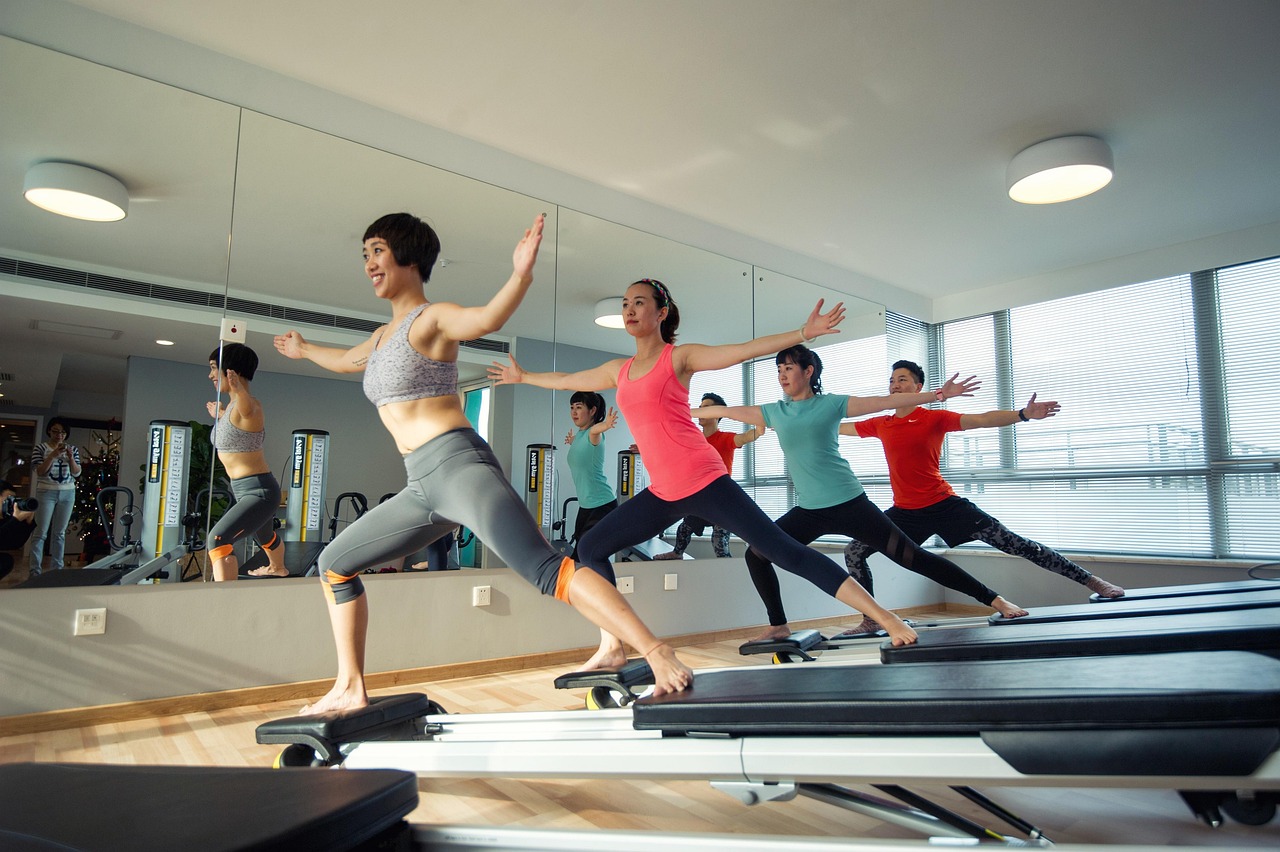

Pilates Workshop Formats: Deep Dives Into Specific Techniques
Pilates workshops serve as an excellent medium for individuals looking to deepen their understanding of various techniques. These workshops optimize the benefits of Pilates through specialized formats. Typically, a workshop focuses heavily on one technique, allowing participants to immerse themselves in learning. Classes often range from beginner levels to advanced, providing something for everyone. The opportunity to explore specialized movements is crucial. Areas of focus may include stability, alignment, or strength. In addition, instructors often utilize different apparatuses like reformers or stability balls for varied experiences. These formats can encourage creativity and adaptability while improving skills. Moreover, participants engage with others pursuing similar goals, fostering a sense of community and support. This interaction can enhance motivation and accountability. Each session usually concludes with a Q&A segment, providing personalized tips and insights. One can also discover unique modalities that might be incorporated into regular class formats. Overall, Pilates workshops enrich the practice and can elevate every practitioner’s journey in their quest for physical well-being and mastery.
The relevance of various Pilates class formats cannot be understated. Each format has unique characteristics catering to different needs and goals. For instance, mat Pilates emphasizes body weight for effective resistance training. Workshop participants can benefit tremendously from this as strengthening exercises are done without equipment. On the other hand, reformer classes introduce springs and pulleys for additional resistance, offering a different challenge. In workshops, participants get well-versed in using their body effectively in varied formats. They often analyze movements closely while receiving constructive feedback. Props such as bands and blocks may also be integrated, enhancing versatility. Furthermore, these workshops aim at exploring specific techniques within each format in detail. This structured approach allows for gradual progression in mastery. Workshops focusing on breathing techniques set the foundation for achieving stability. This is fundamental for deeper movements and sequences. Finally, the workshops may include supplementary information about anatomy, enriching participants’ knowledge. Understanding how the body works during Pilates can lead to safer and more effective practices in the long run.
Diving Deeper: Specialized Techniques in Workshops
In Pilates, specialized techniques can significantly impact the effectiveness of the workout. Workshops focusing exclusively on specific techniques can offer a profound understanding of their applications. For instance, a workshop centered on the ‘Pilates 100’ would dissect this classic exercise in detail. Participants learn about tempo, posture, and breathing while engaging their core. Another popular focus is on spine articulation during exercises. Participants learn how to maintain proper spine alignment through movements. Specialized workshops can also address flexibility, with techniques targeted toward improving range of motion. The inclusion of correct alignment principles during these practices is critical for avoiding injuries. Additionally, modifications for various fitness levels encourage broader participation. Group discussions often emerge, enhancing collaborative learning. Instructors provide personal insights based on their experiences, and participants share their challenges and successes. Such exchanges can motivate and inspire everyone involved. Each workshop’s dynamic encourages exploration and experimentation with different techniques, thereby deepening the practice. Ultimately, attendees leave with not just experience but knowledge that can transform their Pilates journey.
Further enhancing the experience, Pilates workshops may incorporate mindfulness and breathing exercises. These components serve to connect the mental and physical aspects of the practice. Effective breathing is often highlighted as a key element in Pilates, aiding in the execution of movements. Workshops focusing on breath awareness help individuals harness energy and promote relaxation. This mindful approach cultivates a deeper relationship between body and mind, which is essential for effective movement execution. Various breathing techniques may be introduced alongside practical applications. This holistic perspective is beneficial, as mental clarity can improve focus during workouts. Practitioners may also explore visualizations that enhance mind-body connection. Understanding how emotional well-being impacts physical performance can lead to breakthroughs. Moreover, the social environment encourages sharing personal insights. Instructors often personalize feedback based on individual success stories. Participants can exchange experiences, leading to a supportive community atmosphere. As a result, every session becomes a collaborative learning experience, enriching their practice. Workshops, therefore, can facilitate personal transformations, equipping participants with valuable skills that extend beyond traditional Pilates classes.
Emphasizing Community in Pilates Workshops
The community aspect of Pilates workshops is vital in enhancing the overall experience for participants. Engaging with individuals who share similar interests fosters connections and motivates continued practice. Many attendees appreciate the camaraderie built during workshops. This supportive environment encourages risk-taking and exploration of new techniques. When participants work closely, they often challenge one another while celebrating small victories in a safe space. Instructors frequently highlight the importance of community, urging participants to communicate openly. This culture of sharing experiences enhances the learning process, creating a sense of belonging. Furthermore, workshops often lead to friendships that extend beyond the studio. Social gatherings and group exercises further solidify these bonds, cultivating a positive community. The uplifting dynamic allows individuals to feel empowered, motivating them to embrace new challenges. Moreover, creating a safe space helps foster emotional well-being during practices. Thus, workshops not only concentrate on physical techniques but also bolster interpersonal interactions. Such connections enhance every participant’s journey and progress, resulting in lasting impacts that can inspire long-term commitment to Pilates.
In conclusion, Pilates workshops encapsulate much more than mere instruction; they serve as transformative experiences. Each format addresses distinct needs while offering a deeper understanding of specialized techniques. Through immersive learning environments, participants engage with their bodies and connect with their minds. These workshops often showcase a spectrum of unique styles, from mat sessions to equipment-based classes. Instructors play a pivotal role in guiding participants through intricate details while fostering a sense of trust. Participants often experience a heightened motivation to refine their practices in these settings. The community built through shared experiences can create lasting friendships and support systems among practitioners. Furthermore, attendees not only gain physical strength and flexibility but also develop healthier mental attitudes. They walk away equipped not just with skills but comprehensive insights into their practice. Ultimately, participants find themselves inspired to continue exploring Pilates techniques beyond the workshop. They leave feeling empowered with knowledge, excited to embrace the challenges ahead. This enriched journey contributes significantly to their growth as Pilates practitioners.
The Future of Pilates Workshops
Looking ahead, the evolution of Pilates workshops promises exciting developments in class formats. As the fitness landscape shifts, workshops may increasingly incorporate technology and online platforms. Virtual workshops allow broader accessibility, connecting people from various locations. This flexibility opens avenues for many individuals interested in Pilates, regardless of geographical constraints. Furthermore, emerging research on Pilates continues to inform workshops, enhancing teaching methods and techniques. Instructors can incorporate evidence-based practices to optimize effectiveness. Innovations may also stem from integrating different fitness disciplines, creating hybrid workshops that attract diverse audiences. As health and wellness trends evolve, workshops would adapt to incorporate contemporary needs, enhancing participation. For example, shifts toward wellness practices like yoga-infused Pilates could broaden appeal. Enhanced community engagement, possibly through social media, could bolster participant connection. This interaction may lead to the formation of robust online support networks. Consequently, future Pilates workshops may revolutionize the practice, ultimately making it more welcoming and enriching. Attendees can anticipate workshops that not only teach but inspire transformation within their practices, extending the benefits far beyond the studio.