
How Wearable ECG Technology is Making Cardiac Care Accessible
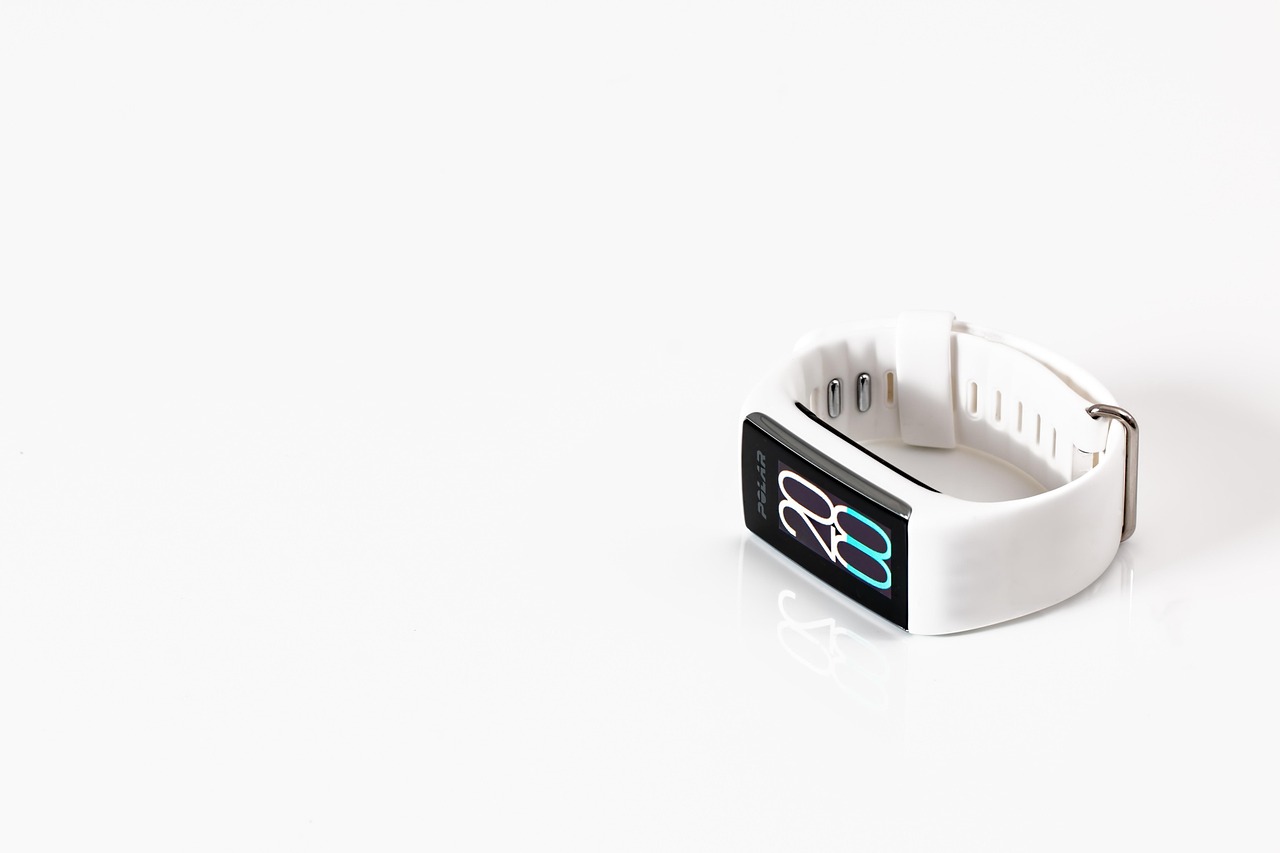
The advent of wearable ECG monitors is revolutionizing cardiac care by providing patients with the ability to effectively monitor their heart health. These devices are designed to be both user-friendly and accessible, allowing individuals to track their heart rhythms in real-time. By putting the power of heart health into the hands of consumers, these gadgets are bridging the gap between healthcare professionals and patients. Not only do they offer insights into heart functionality, but they also empower users to take proactive steps toward maintaining their cardiovascular well-being. Moreover, the interconnectedness of these devices with smartphone applications enhances the user experience, providing comprehensive data analysis that can guide lifestyle decisions. Wearable ECG monitors cater to a new generation of health-conscious individuals who seek to understand their bodies better. They provide valuable data that can be shared with healthcare providers. As technology continues to evolve, more advanced features are anticipated in future iterations of these devices, making cardiac monitoring even more precise and accessible. This ongoing innovation is set to redefine personal health management in ways that benefit patients and doctors alike.
As we delve deeper into the functionalities of wearable ECG monitors, their significance comes into sharper focus. These devices typically come equipped with various advanced features designed to track heart rates and detect anomalies. For example, some models can identify irregular heartbeats known as arrhythmias, which can be critical in preventing severe cardiac events. Such early detection capabilities are vital for individuals with a history of heart conditions, providing them with the necessary information to make informed health choices. Additionally, many devices offer continuous or episodic monitoring, ensuring users are always aware of their heart performance. This continuous engagement fosters a stronger connection between individuals and their health, promoting awareness and preventative measures. Moreover, accessibility is key as these monitors can be worn discreetly during daily activities without hindrance. Therefore, patients are encouraged to wear them regularly. This consistent monitoring contributes laboriously to gathering a comprehensive health profile that can lead to customized medical advice. Consequently, practitioners can devise specific interventions based on real-time data, optimizing patient outcomes and paving the way for more personalized healthcare approaches.
Improving Patient Outcomes with Data Analytics
Wearable ECG monitors not only provide valuable data but also enhance the overall patient experience through data analytics. These devices collect continuous data which can be analyzed to identify trends and patterns that might go unnoticed in traditional clinical settings. By leveraging advanced algorithms and machine learning, healthcare providers can interpret the information more effectively. This allows practitioners to tailor their strategies based on individual patient history and ECG readings. Furthermore, such analytics can help predict potential health risks before they surface, offering patients a chance to avoid serious complications. Additionally, many monitors sync with mobile applications, enabling users to visualize their data. This visualization empowers individuals to take control of their cardiac health. With features like trend graphs and historical comparisons, users are motivated to maintain healthy lifestyles actively. More importantly, the data gathered can be shared instantaneously with healthcare professionals, ensuring rapid feedback and adjustments to care plans. As the integration of wearable technology and healthcare continues, both patient and provider experiences positively transform, driving further advancements in cardiac care accessibility and management.
One significant benefit of wearable ECG monitors is their ability to facilitate remote patient monitoring. This feature has become increasingly crucial, especially in recent times when traditional healthcare visits faced significant disruptions. Patients can stay connected with their doctors without needing to visit a clinic or hospital physically. Enhanced by telemedicine, these devices allow for regular monitoring while ensuring that appointments are productive and focused on health management rather than routine checks. For patients with chronic diseases, such as coronary heart disease, this means timely interventions and reduced hospital visits. Moreover, wearers can maintain a daily routine, ensuring comfort and consistency in their health management strategies. The technology thus democratizes access to quality cardiac care, significantly reducing barriers caused by distance or mobility limitations. As remote monitoring becomes more mainstream, the healthcare landscape is evolving towards more convenient, patient-centered models. This shift not only benefits individuals but also healthcare systems, reducing strain on facilities tasked with accommodating in-person visits. This innovation ushers in a new era of healthcare, where technology enhances accessibility and efficiency, leading to improved patient outcomes.
The Future of Wearable ECG Technology
As wearable ECG monitor technology progresses, the future holds exciting prospects for patients and healthcare providers alike. Ongoing advancements in battery life, sensor accuracy, and overall design will make these gadgets even more user-friendly and reliable. Furthermore, the integration of artificial intelligence will enhance real-time analytics, allowing for more sophisticated diagnostic capabilities directly within the device. This means that users could receive immediate alerts about potentially dangerous heart rates or rhythms, encouraging prompt medical consultations. Additionally, manufacturers are expected to incorporate more comprehensive features such as hydration tracking and stress level indicators, further promoting a holistic approach to well-being. With an increased focus on data security and privacy, users can expect to feel confident in the management of their health information. The democratization of healthcare technologies, characterized by lower prices and greater accessibility, will empower more individuals across different demographics. As these devices evolve, they will play a crucial role in equipping future generations with the tools needed to prioritize and manage their heart health proactively. This transformative potential sets a promising tone for the landscape of cardiac care in the years ahead.
Challenges remain in the adoption of wearable ECG technology. Some users may encounter technical difficulties, which can deter consistent usage. Ensuring that users fully understand how to operate the monitors and interpret data effectively is vital. Comprehensive guides and customer support can help mitigate this issue significantly. Moreover, there could be concerns regarding accuracy when compared to clinical devices, sparking skepticism among healthcare professionals and patients alike. It is crucial for manufacturers to implement stringent testing and validation processes to gain the trust of users and healthcare practitioners. Furthermore, the potential for health data misuse and privacy breaches could be a source of anxiety for many individuals. Establishing strong data protection protocols and clear policies regarding user privacy is essential for fostering confidence in these technologies. Additionally, educational campaigns and awareness early on can promote understanding and acceptance of wearable ECG monitors among patients. The intersection of technology and healthcare is raising awareness about heart health. With time and effort directed toward addressing these challenges, the prospects for widespread acceptance of wearable ECG monitors in managing cardiac care will become increasingly viable.
Conclusion: Envisioning a Healthier Tomorrow
In conclusion, wearable ECG monitors represent a pivotal advancement in the realm of health technology. With the potential to improve access, enhance patient outcomes, and promote proactive health management, these devices are changing the landscape of cardiac care. As we continue to navigate the complexities of healthcare, integrating technology into daily life becomes paramount. Empowering patients with tools that provide real-time insights into their heart health is a significant step towards fostering a culture of wellness. Consequently, better self-management habits can be cultivated, significantly reducing the risks of severe cardiac-related incidents. A collaborative approach involving healthcare providers, technology developers, and patients themselves will foster innovation in this field. Education and awareness about the importance of cardiac health monitoring systems will enhance their effectiveness and acceptance. With the right advancements and public commitment to integration, wearable ECG technology will undoubtedly pave the way for a healthier tomorrow, transforming how we approach cardiac care. Ultimately, bridging the gap between technology and patient health leads to more engaged individuals who better understand their unique needs, ensuring a promising future for cardiac health management.
In conclusion, wearable ECG monitors represent a pivotal advancement in the realm of health technology. With the potential to improve access, enhance patient outcomes, and promote proactive health management, these devices are changing the landscape of cardiac care. As we continue to navigate the complexities of healthcare, integrating technology into daily life becomes paramount. Empowering patients with tools that provide real-time insights into their heart health is a significant step towards fostering a culture of wellness. Consequently, better self-management habits can be cultivated, significantly reducing the risks of severe cardiac-related incidents. A collaborative approach involving healthcare providers, technology developers, and patients themselves will foster innovation in this field. Education and awareness about the importance of cardiac health monitoring systems will enhance their effectiveness and acceptance. With the right advancements and public commitment to integration, wearable ECG technology will undoubtedly pave the way for a healthier tomorrow, transforming how we approach cardiac care. Ultimately, bridging the gap between technology and patient health leads to more engaged individuals who better understand their unique needs, ensuring a promising future for cardiac health management.