
The Impact of Chronic Illness on Mental Health: What You Need to Know
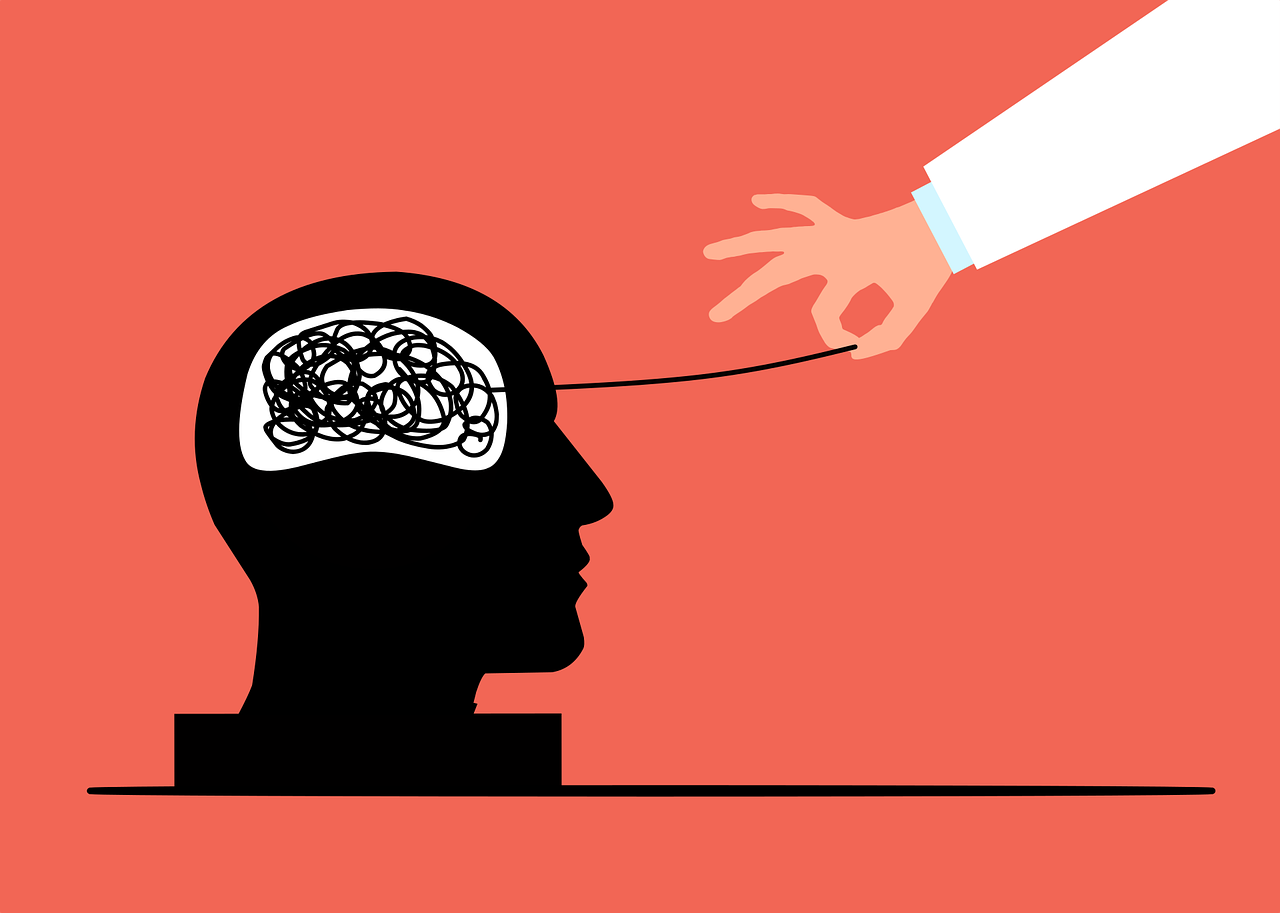
Chronic illness affects millions of people worldwide, significantly impacting their mental health and overall well-being. Many individuals living with chronic conditions experience increased levels of anxiety, depression, and emotional distress. These mental health challenges can stem from battling ongoing physical symptoms, lifestyle adjustments, and social isolation. The relationship between chronic illness and mental health is complex. Often, chronic conditions limit daily activities, creating feelings of frustration and helplessness. As a result, individuals may develop a negative self-image. Furthermore, the unpredictability of chronic illness exacerbates these feelings. It is vital to understand that the emotional toll of living with chronic illness is valid, and seeking help is crucial. Individuals are encouraged to communicate openly about their mental health struggles with healthcare providers. Support groups can also provide valuable resources and a sense of community. Mental health care is equally important as physical health management in chronic illness. By addressing these challenges proactively, individuals can improve their quality of life. Those feeling overwhelmed are not alone; help is available, and it’s essential to reach out for support when needed.
Understanding how chronic illness impacts mental health requires examining common challenges faced by patients. Physical symptoms like constant pain, fatigue, and discomfort can lead to significant emotional strain. It’s essential to recognize how these challenges affect mood, motivation, and relationships. Many patients report feeling isolated and misunderstood, leading to low self-esteem. Relationships can become strained, as friends and family might not understand the severity of the situation. This lack of understanding may contribute to feelings of loneliness. Mental health issues can exacerbate physical symptoms, creating a cycle that affects overall health. For example, anxiety and depression can lead to neglecting treatment plans, worsening physical health. Educating family and friends about chronic illness may foster support. Active engagement with healthcare professionals can also help healthcare providers offer tailored advice. Consequently, improved communication can lead to more effective management of both physical and mental health. In turn, promoting positive coping strategies can empower individuals to take control of their health. Incorporating physical activity, mindfulness, and therapy can also promote better mental health outcomes. Addressing the dynamic between mental health and chronic illness is crucial for comprehensive healthcare solutions.
The Role of Support Systems
Support systems play a significant role in managing mental health for those with chronic illness. Having a reliable network of friends, family, and professionals helps mitigate feelings of isolation. Emotional support from loved ones can help individuals feel understood and accepted. Participating in support groups tailored to specific illnesses allows individuals to connect with others facing similar challenges. This shared experience creates a sense of belonging and comfort during difficult times. Additionally, mental health professionals can provide the necessary guidance and strategies for coping with emotional distress. Furthermore, support systems encourage open communication and accountability. Patients are often more likely to adhere to treatment advice when they have support from those around them. Encouragement and motivation from supportive individuals can make a substantial difference in managing daily challenges. Family members can learn ways to provide emotional support effectively. Understanding patients’ experiences enables loved ones to empathize and offer practical help. Reliable support systems can help reduce stress and anxiety associated with managing chronic illness. Overall, engaging with these supportive resources enhances both physical health management and emotional resilience.
Self-advocacy is essential for individuals facing mental health issues due to chronic illness. Understanding personal needs, communicating them effectively, and seeking appropriate resources can significantly improve mental well-being. Learning to advocate for oneself entails recognizing when professional help is required. Individuals should not hesitate to approach mental health professionals or inquire about therapies and medication options. Online resources can also provide valuable insights into managing mental health in chronic illness. Joining online forums fosters discussions that may lead to useful coping strategies. Keeping track of one’s mental health through journaling or mental health apps can help identify patterns and triggers. This awareness empowers individuals to take proactive steps towards better mental health. It’s crucial to prioritize self-care and cultivate healthy routines that minimize stress. Regular physical activity, healthy eating, and mindfulness practices can offer additional benefits. Engaging in hobbies and spending time with friends can provide emotional relief. Individuals coping with chronic illness must remember that seeking help is a sign of strength, not weakness. Building resilience through self-advocacy allows for progress in both mental and physical health journeys.
Therapeutic Approaches
There are various therapeutic approaches available for managing mental health when living with a chronic illness. Psychotherapy, also known as talk therapy, can provide a safe space to explore feelings and develop coping strategies. Cognitive-behavioral therapy (CBT) focuses on identifying and changing negative thought patterns, which can be beneficial for those struggling with anxiety and depression. Additionally, mindfulness-based stress reduction (MBSR) incorporates meditation and relaxation techniques to support mental well-being. These therapies often help patients manage stress more effectively, leading to improved quality of life. Medication may also play a role in managing mental health symptoms. Consulting with a psychiatrist can provide options tailored to individual needs. It’s important to work closely with healthcare providers to determine the best combination of therapy and medication. Furthermore, complementary therapies, such as yoga and art therapy, can provide additional outlets for emotional expression and coping. Engaging in these therapeutic approaches can play a vital role in managing both chronic illness and mental health. Individuals are encouraged to explore and find what works best for them in their healing journey.
Understanding the stigma surrounding mental health in chronic illness is crucial to fostering open dialogue. Many individuals may feel ashamed or embarrassed to discuss their mental health challenges. This stigma can prevent them from seeking help and support. Raising awareness about mental health issues in the context of chronic illnesses breaks down harmful stereotypes. Encouraging normalizing conversations surrounding mental health encourages those affected to share their experiences. Education plays a vital role in combating these perceptions, emphasizing that mental health issues are as legitimate as physical health concerns. Patients should feel empowered to speak openly about their struggles with healthcare professionals and loved ones alike. Supportive communities can help reduce stigma, encouraging individuals to share and seek help together. Mental health training for healthcare providers can increase understanding and sensitivity towards patients’ experiences. Enhanced communication helps to create a collaborative environment between patients and practitioners. Open discussions can ultimately lead to improved care and support tailored to the unique needs of each individual. By fostering understanding, breaking the stigma promotes better mental health outcomes for those facing chronic illness.
Conclusion
In conclusion, the impact of chronic illness on mental health is significant, and recognizing this interaction is essential for holistic care. Individuals must prioritize their mental well-being alongside chronic health management. Acknowledging emotional struggles and seeking support can lead to positive outcomes. Comprehensive care strategies should integrate both physical and mental health interventions. By understanding the interplay between chronic illness and mental health, patients can better navigate their journeys. Self-advocacy, support systems, and effective communication all contribute to improved mental resilience. Incorporating various therapeutic approaches enables individuals to build coping strategies that fit their personal needs. Raising awareness about mental health issues in chronic illness fosters supportive environments for patients and encourages dialogue. Ultimately, integrating mental health care into chronic illness management provides individuals with the tools they need to improve their quality of life. Every person should feel equipped to seek help and find their path towards healing. Addressing mental health is not only essential; it is also a crucial component of living well with chronic illness and achieving overall health and wellness.
Engaging in research and sharing findings can also enhance understanding and resources for individuals coping with chronic illness. Scholars, practitioners, and patients can collaborate to explore innovative solutions and best practices for addressing mental health issues. By raising awareness and fostering discussions, society can work towards creating more inclusive and supportive environments for affected individuals. Advocating for mental health resources and services helps to ensure that those in need can access the care vital for their well-being. Continued efforts towards eliminating stigma promote openness about mental health through education and support. Together, we can improve lives affected by chronic illness, fostering resilience and well-being through community and understanding.