
Weightlifting Gear Myths: Do You Really Need Expensive Equipment?
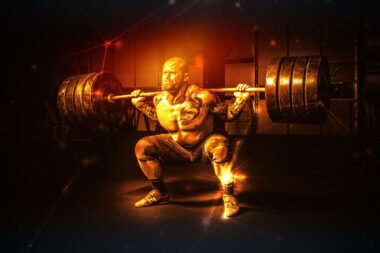
When embarking on a weightlifting journey, many individuals are bombarded with advice suggesting that only high-end gear can facilitate significant progress. This notion, however, is often misleading. It’s essential to recognize that the primary driver of improvement in weightlifting lies in proper technique and consistent practice rather than the cost of equipment. While high-quality gear can enhance performance and comfort, it is not a necessity for achieving strength-related goals. Beginners should focus more on mastering the lifts and understanding their bodies than on investing heavily in pricey equipment. Many successful lifters started with basic setups. For instance, durable Olympic weights and a sturdy barbell can suffice for countless effective workouts. Additionally, various budget-friendly alternatives exist that do not compromise safety or efficiency. Factors such as personal comfort, workout environment, and specific goals should guide purchasing decisions. It’s critical to understand that effective training is accessible, and affordable gear shouldn’t deter anyone from starting or continuing their fitness quest. Ultimately, weightlifting is more about dedication and hard work than it is about expensive brands.
One of the most pervasive myths suggests that weightlifting gear is essential to prevent injuries. While it’s true that appropriate equipment can reduce risk, it shouldn’t be viewed as a crutch. Proper technique, strength, and preparatory exercises should always take precedence. Many new lifters believe they need all the latest gear, from knee sleeves to specialized lifting shoes, to protect themselves. However, a thorough understanding of form and a gradual progression in lifting weight can significantly lower injury risks. It is important to listen to your body and focus on flexibility and mobility in addition to strength. Building core stability and engaging in restorative practices can further support long-term safety in weightlifting. While quality gear may help improve your lifting experience, relying solely on it may engender a false sense of security. The mental aspect of lifting is equally crucial; becoming aware of limits and leveraging body awareness will pay off more than any brand-name equipment. It is essential to find a balance between safety measures and skill development to create a comprehensive approach to lifting injuries. Such practices will ultimately yield better results than expensive gear alone.
Essential Gear for Beginners
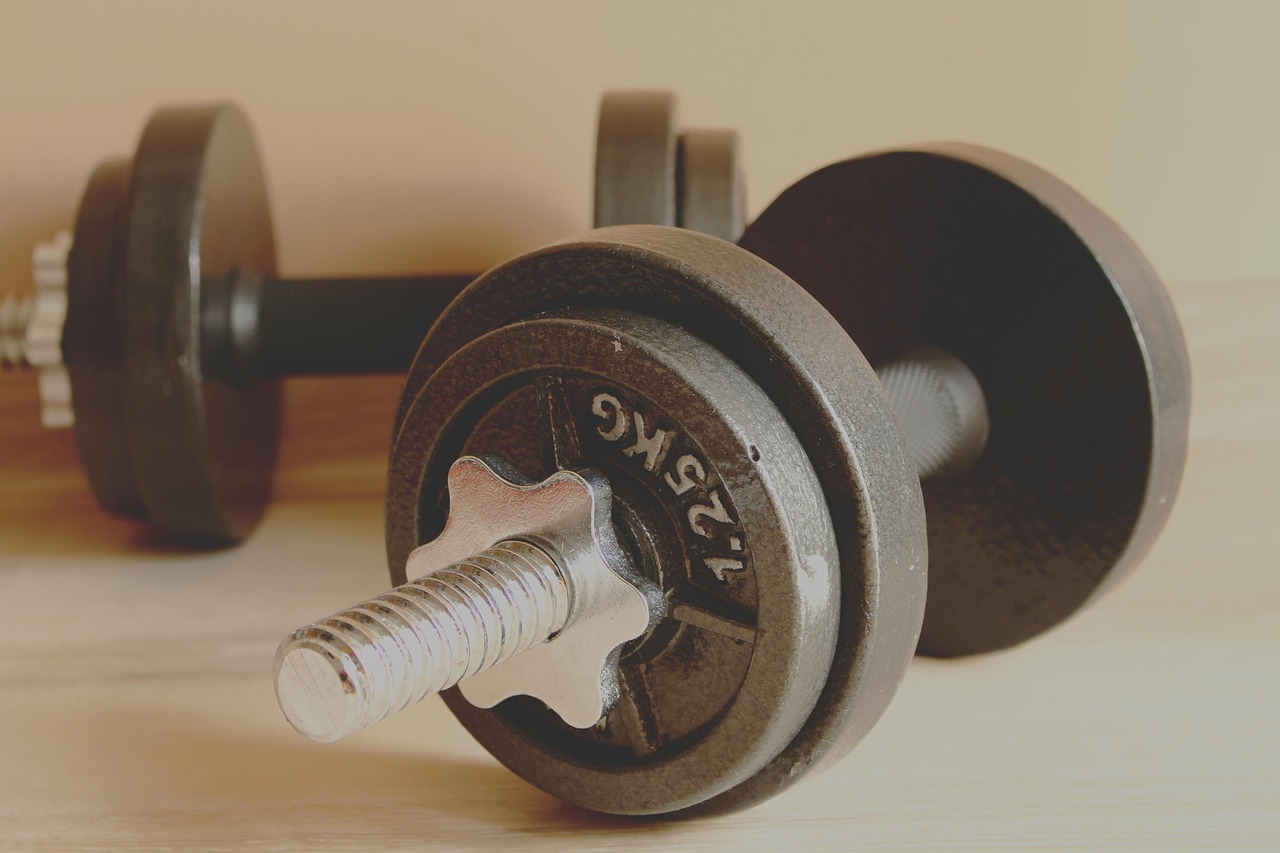
For those just starting in weightlifting, it’s vital to focus on a few essential items rather than skimping on safety or overspending unnecessarily. The foundation of any weightlifting routine begins with a reliable barbell and weights, which can usually be purchased as a set. Those could include a standard Olympic barbell paired with weight plates that suit one’s lifting capacity. Another vital item is an appropriate mat or platform to ensure a stable lifting surface. A weightlifting belt can also provide additional core support, which can be especially beneficial during heavier lifts. Beginners may also consider investing in chalk if sweating is an issue, as it can greatly improve grip on the barbell. Although there is a plethora of gear marketed heavily, starting with these fundamentals usually suffices. Each lifter’s needs may vary, so practices can be adjusted based on individual experiences. Considering that the focus should be on learning techniques and building strength, beginners should avoid distractions created by the vast selection of equipment available. Essential gear can ensure safety and comfort without the need for luxury items.
As progress in weightlifting continues, many individuals wonder if upgrading their gear to more expensive options is necessary. This question frequently arises in lifter communities, leading to varying opinions. However, individuals should first assess their lifting goals and determine the reasoning behind their desire for expensive equipment. Each person’s progression differs, and many high-performing athletes still utilize basic equipment effectively. Understanding the diminishing returns concept is crucial. While high-quality equipment may offer benefits like improved durability or comfort, it does not automatically translate to superior performance. A lifter adept in technique can achieve significant gains without the latest gadgets or pricey accessories. In contrast, a beginner may make more progress by investing in quality instruction over expensive gear. Comfortable, adequate equipment is essential, yet focusing on technique and programming yields a more substantial impact on results. As a lifter progresses, equipment selection can evolve, but the emphasis should remain on improvement in physical capacities. Investing in a trainer or coach can facilitate more significant development through personalized guidance rather than unnecessary upgrades.
Overcoming the Gear Mentality
Many aspiring weightlifters fall victim to what is termed the ‘gear mentality’. This mindset emphasizes the belief that possessing the latest and most expensive equipment is essential for achieving success. In reality, this mentality can create unnecessary pressure and detract from the primary goal: effective training. A focus on equipment can overshadow the true essence of progress, which lies in dedication, consistency, and self-improvement. Moreover, the overwhelming variety of products can lead to confusion, making it difficult to determine which items genuinely enhance performance. Instead of getting sidetracked by the allure of expensive gear, it would benefit individuals to direct that energy toward improving their techniques or form through consistent practice. Moreover, adopting an attitude that prioritizes function over brand name can facilitate a more enjoyable and effective training environment. Lifters should remind themselves that countless successful athletes have thrived with minimal equipment. Building mental fortitude and resilience is far more crucial than owning the fanciest gear. Proper training habits and mental strength will lead to long-lasting results and satisfaction in one’s weightlifting journey.
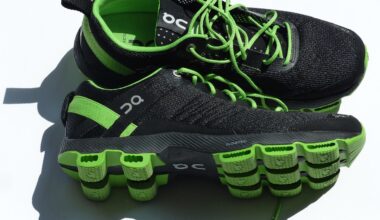
Another prevalent myth revolves around the assumption that wearing specialized clothing and weightlifting attire is necessary for improved performance. While items like compression clothing or specific lifting shoes can enhance comfort, they do not possess inherent capabilities to dramatically influence strength outcomes. Many high-level lifters often compete in standard workout clothes and sneakers. For beginners, focusing on comfort is essential; however, this does not equate to needing flashy, expensive clothing. Loose-fitting or breathable garments typically serve just fine during workouts. In weightlifting, what matters most is the lifter’s confidence and execution of movements rather than extravagant appearances. On the other hand, wearing clothing tailored to support workouts can offer some psychological benefits, instilling a sense of professionalism or readiness. This point is worth noting, as it may encourage individuals to participate more enthusiastically. Ultimately, practical and comfortable options should be prioritized over high-priced gear. The main objective remains honing skills and embracing the weightlifting process while enjoying the journey rather than fretting over an expensive wardrobe.
Conclusion: Focusing on Fundamentals
In conclusion, weightlifting gear myths often lead individuals astray in their fitness journeys. The overarching truth is that dedication and consistent training are far more instrumental than the monetary value of equipment. Expensive gear, while potentially enhancing certain aspects of the experience, does not dictate one’s success. Building a solid foundation of skills and techniques takes precedence, as these are the elements that facilitate real progress over time. Weightlifting can and should be approached with an encouraging mindset, focusing on personal development and not the latest trends in gear. Equipment needs may evolve as they gain experience and competence, but prioritizing affordability without sacrificing quality is entirely possible. The industry often pushes the idea that you need to spend excessively to get results, but this is simply untrue. Rather, understanding one’s needs and what will foster progress should inform purchasing decisions. Lifters are encouraged to foster patience, remain committed to their training, and focus on progressing despite external pressures. Creating a sound and enjoyable training experience should remain the primary goal for all who embark on a journey in weightlifting.
Overall, weightlifting gear’s cost does not equate to its effectiveness. Instead of being misled by marketing strategies, individuals should examine the fundamental elements—like their techniques—that contribute significantly to their progress. Reflecting on this mindset will foster a better appreciation for practical, affordable solutions, steering clear of the extravagant side. As various myths make waves, lifters must continually orient themselves around the core principles of weightlifting, finding contentment in the process rather than chasing the next gear trend. The journey to strength is about personal commitment and growth, not limited by monetary constraints. Focus should remain on defined goals, balanced training plans, and body awareness so that lifters can celebrate their accomplishments, empowered by their persistence rather than their spending. To this end, remaining adaptable and open-minded toward old and new methods is essential without getting caught up in whether one has the most expensive equipment or clothing. Recognizing these lessons is vital in developing a healthy relationship with weightlifting, fostering motivation beyond superficial metrics of success.