
Comparing Running vs. Cross-Training Shoes for Youth Athletes
Youth athletics are gaining momentum as many young athletes take up various sports. One of the critical decisions they face is selecting the right footwear. Athletic shoes, particularly running and cross-training shoes, serve different purposes. For young runners, it is essential to choose the right running shoes that offer specialized features, cushioning, and support tailored for long distances. Running shoes are designed with the forefoot and heel’s impact in mind while providing necessary arch and ankle support. Youth athletes should always try on shoes before purchasing them to ensure a perfect fit. Misfitting shoes can lead to injuries and discomfort. Additionally, different foot shapes may require different types of shoes. Therefore, it’s worthwhile for parents and coaches to understand the distinct attributes of these shoes. Cross-training shoes, on the other hand, offer versatility for various sports, combining the stability of training shoes with the flexibility required for more dynamic movement. As youth athletes engage in multiple sports, they often need footwear that supports their varied activities. Choosing the right pair enhances performance and reduces injury risks.
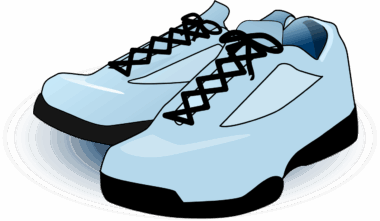
The construction of running shoes focuses on specific attributes essential for speed, endurance, and comfort. Lightweight materials help in reducing fatigue, while the midsole often features shock-absorbing technologies that ease impact during runs. Breathability is another vital aspect, ensuring that young athletes’ feet remain dry throughout their activities. If a shoe lacks proper ventilation, discomfort can arise, especially in warmer climates. Several brands design running shoes specifically for youth, incorporating innovative technologies tailored to developing feet. Some excellent options include brands like Nike, Adidas, and New Balance, all recognized for their reliable footwear. Additionally, it’s vital to consider the shoe’s tread pattern, designed to provide optimum grip on various surfaces, essential for traction on both track and trail. Parents should encourage their young athletes to frequently inspect their shoes for wear and potential damage. Shoes often lose cushioning and support over time, making regular assessments crucial. Helping youths understand shoe upkeep promotes better support and longevity, directly impacting performance positively. Selecting suitable running shoes fosters confidence and helps young athletes perform at their best.
Cross-Training Shoe Characteristics
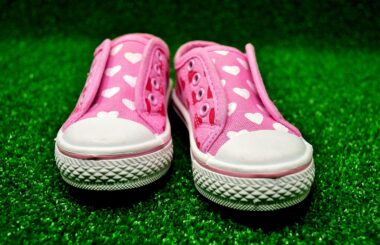
Cross-training shoes boast versatile designs, making them suitable for various activities encountered in youth sports. Unlike running shoes, which prioritize forward motion, cross-training footwear provides lateral support crucial for sports that involve sidestepping and jumping. This added stability helps prevent injuries during rigorous training sessions. Young athletes often engage in multiple activities, from soccer and basketball to gym workouts, necessitating adaptable shoes. Cross-training shoes generally feature a broader sole than typical running shoes, providing a sturdy base. This compatibility with multiple surfaces enhances performance in diverse environments, such as turf or hardwood floors. Many brands also integrate features like reinforced seams and durable materials for added support and longevity. Ensuring these shoes fit well allows athletes to pivot, jump, and land safely. Popular brands recognized for quality cross-training shoes include ASICS, Reebok, and Under Armour. It’s beneficial for young athletes and their parents to consider investing in cross-training footwear, especially for those participating in varying sports. Versatile shoes improve overall performance while minimizing discomfort and fatigue, ultimately benefiting young athletes through greater flexibility and support.
When comparing these athletic shoes, evaluating the intended use is vital. Young athletes primarily focused on running might benefit more from specialized running apparel that enhances their footwork, while those active in diverse experiences may lean towards versatile cross-training shoes. Wearing the right shoes minimizes the chance of injuries such as shin splints, plantar fasciitis, or blisters. Young athletes require footwear tailored to their unique activities and body mechanics. From posture to running dynamics, each characteristic influences shoe choice, impacting overall performance. Coaches often recommend specific brands and shoe types based on their experiences, emphasizing a personal approach to foot health. Children also appreciate having choices in aesthetics; fun colors and styles can improve shoewear acceptance. Engaging in conversations about footwear can drive young athletes to take responsibility for their sport gear. With the right information, parents can make knowledgeable purchases, leading to better athletic performance and fewer injuries. It’s essential never to buy shoes based purely on looks. Educating young athletes about the footwear impact on their training experience can foster long-term athletic enthusiasm.
Adapting to Growing Feet
As youth athletes grow, their foot sizes change frequently, sometimes leading to unexpected discomfort or injury. It’s crucial for parents to monitor their children’s shoe sizes regularly to ensure they wear properly fitting footwear. A wrong size alters how athletes perform, leading to issues such as blisters, calluses, or lasting injuries. To address this, it’s advisable to have children try on shoes later in the day when feet often swell. During shopping, a thumb’s width should fit between the end of the shoe and the longest toe. Additionally, adequate space in the toe box allows for foot expansion and proper movement during activity. Styles should have a snug feel without causing pinching—an aspect often overlooked in purchasing decisions. Furthermore, many athletic stores offer knowledgeable staff who can assist in shoe fitting, ensuring quality insights for parents and young athletes. With youth typically involved in growing sports programs, investing in proper footwear fosters better participation enthusiasm while minimizing risks. Striking a balance between growth, comfort, and performance keeps young athletes engaged in their sports and on the path to success.
It’s crucial to encourage youth athletes in developing strong shoe-related knowledge. This entails understanding their foot’s unique needs and the corresponding features of their shoes. Young athletes can discuss with coaches about the specific footwear that supports performance in various sports. Athletes should be educated about shoe maintenance, such as cleaning and proper storage. Keeping shoes clean and dry prolongs their life and allows them to retain design integrity, offering better support and comfort. Parents can play a significant role in reinforcing this message by establishing routines of checking and maintaining shoes throughout an athletic season. Dedication to these practices can help avoid injuries and extend the lifespan of the shoes. Planning shoe purchases around the sports calendar ensures that athletes have adequate gear for their season. Seasonal changes may require different footwear solutions, depending on the sports played and the surface athletes typically train on. Rigid shoe rotation can keep youth athletes on their game and engaged in teamwork, critical for a comprehensive athletic experience. Through support, monitoring, and education, young athletes have the tools necessary to thrive in their chosen sports.
Conclusion: Making Educated Choices
In conclusion, selecting the right shoes is vital for youth athletes striving for performance and health. Understanding the differences between running and cross-training footwear allows athletes to choose wisely. With diverse courses and sports in youth athletics, each shoe provides distinct advantages, impacting training experiences. Parents, coaches, and athletes need to be informed regarding their footwear, considering factors such as fit, function, and specific needs based on activities. Investing in well-fitting shoes positively influences performance, reducing injury risks that can impede young athletes’ journeys. Moreover, proactive education surrounding shoe maintenance promotes longevity, encouraging financial wisdom and commitment to overall fitness. Fostering open discussions involving preferences, experiences, and knowledge-sharing can enhance youth engagement with their athletic programs. As sports seasons approach, making informed decisions regarding footwear is critical in enjoying the athletic experience comprehensively. Understanding that shoes significantly affect performance empowers youth athletes to take control of their training. Hence, the responsibility lies in ensuring they wear the right pair, fostering growth and commitment to their sports and ambitions. Proper footwear transforms youth athletic endeavors, cultivating skill-building, teamwork, and joy in their pursuits.
In summary, proper footwear selection remains essential for youth athletes. Both running and cross-training shoes offer unique benefits that cater to different athletic needs. Ultimately, it enhances their performance while ensuring safety. Consequently, thoughtful investments in high-quality shoes pave the way for healthier, happier athletes.