
The Future of Mind-Body Fitness Programs for Mental Disorders
In recent years, the intersection of fitness and mental health has gained significant attention. This growth stems from an increasing understanding of how physical activities can positively impact mental health conditions such as anxiety and depression. Recent studies indicate that regularly engaging in fitness activities promotes the release of endorphins, which elevate mood and create a sense of well-being. Additionally, mind-body practices like yoga and Tai Chi not only provide physical benefits but also foster relaxation and mindfulness. These holistic approaches have potential to transform mental health treatment. As we look toward the future, the adaptability of mind-body programs may lead to breakthroughs in therapeutic practices tailored for specific mental disorders. The diversification of fitness offerings will likely attract a wider audience, allowing more individuals to access necessary tools for managing their mental health at different levels. The blurring lines between fitness and therapeutic practices pave the way for creative solutions. Fitness clubs, wellness centers, and therapy practices are expected to work together, integrating these programs into something more comprehensive. This evolving landscape heralds a new era for mind-body fitness, offering immense promise for promoting mental health across communities.
Technology’s role in shaping the future of mind-body fitness is becoming increasingly vital. The emergence of mobile applications and digital platforms allows for personalized fitness programs that cater specifically to individuals dealing with mental disorders. Notably, programs that integrate guided meditation, virtual reality, and biofeedback can offer customized experiences designed for emotional regulation. For instance, apps like Headspace and Calm provide users with tools that combine mindfulness with exercise, creating a holistic approach for mental health support. Also, wearables like smartwatches can track fitness metrics and provide insights into emotional wellbeing. Incorporating real-time data allows users to understand their triggers better and respond appropriately through guided workouts. As technology continues to advance, these tools will likely become more sophisticated, providing even greater support for those seeking mental health remedies. Additionally, online communities foster connection and provide peer support, reducing feelings of isolation often experienced by those suffering from mental disorders. This blending of technology and fitness ensures accessibility to valuable resources wherever individuals are, empowering them to take charge of their mental health journey efficiently.
The Integration of Mindfulness in Fitness
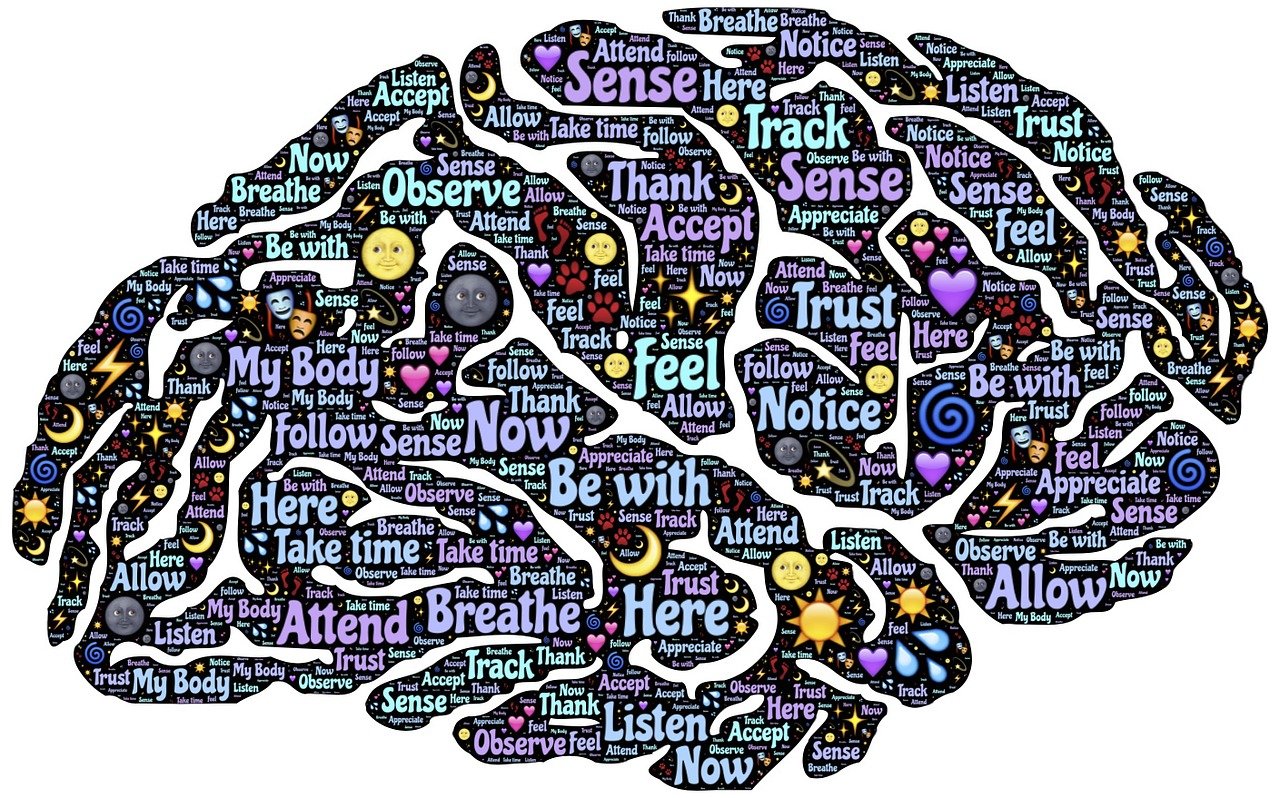
Mindfulness practices embedded in fitness routines can serve as a powerful tool for managing mental disorders. Traditional fitness typically emphasizes physical results, but when mindfulness is added, it nurtures mental awareness and emotional resilience. Components like breath control, visualization, and focused attention are integrated into workouts to cultivate a deeper connection between body and mind. Not only do these elements increase the efficacy of exercise, but they also provide coping mechanisms for individuals struggling with stress, anxiety, and emotional disturbances. Group classes focusing on mindful movement, such as yoga or Pilates, are incredibly beneficial as they facilitate social interaction, reducing feelings of loneliness. Engaging with others in these settings fosters a sense of belonging, which is vital for mental health. Furthermore, instructors trained in both fitness and mental health can use their unique perspective to create tailored experiences that focus on emotional wellbeing. As fitness programs evolve, integrating explicit mindfulness training can benefit those who may find traditional exercises overwhelming. Greater awareness and acceptance of these practices encourage individuals to prioritize both their physical and mental health in their wellness journeys.
The focus on mental health in fitness programming reflects broader societal changes aimed at promoting well-being. Mental awareness initiatives are encouraging fitness facilities to create a welcoming environment for individuals of all backgrounds and experiences. Organizations are tasked with adopting inclusive practices that encourage participation from those who may have hesitated to engage due to their mental challenges. Training for fitness professionals is essential, emphasizing sensitivity and understanding of mental health conditions. Creating supportive spaces can help remove stigmas and make fitness a more approachable avenue for enhancing mental health. This push towards inclusivity is evident in fitness campaigns that involve mental health professionals collaborating with trainers to develop programs aimed specifically at vulnerable populations. Additionally, community outreach programs will likely increase, bringing fitness opportunities to underserved areas, thereby making treatment options more accessible. These changes signify a collective shift in how society addresses mental health issues through innovative fitness approaches, which can nurture not only physical strength but also emotional resilience. Emphasizing the importance of mental health in fitness will ultimately lead to better overall quality of life for individuals facing these challenges.
Tailoring Programs to Individual Needs
The future of mind-body fitness emphasizes the necessity of tailoring programs to individual mental health needs. One one-size-fits-all approach does not cater to the diverse spectrum of mental disorders. As a result, fitness programs should take into consideration specific symptoms and personal goals when designing exercise regimens. For example, individuals with anxiety might benefit from structured routines that emphasize breath control, while those with depression may require motivational support. Assessing personal preferences to optimize engagement is key, whether through high-energy classes or gentle practices. Further, trainers can collaborate with mental health professionals to design specialized workshops focusing on specific conditions, ensuring a comprehensive approach to treatment. Incorporating varied modalities, such as expressive arts or nature therapy, can stimulate emotional healing among participants. This bespoke approach ensures that mental wellness is prioritized while allowing individuals to express themselves constructively. It also enhances accountability, motivating them to participate more fully rather than feeling detached from the process. Ritualizing personal journeys in fitness offers a way to face mental health challenges proactively, empowering individuals to reclaim their lives and well-being.
Integrating sustainability into fitness programs for mental health is emerging as an important future trend. Environmental concern is not just a matter for the world at large but extends to personal well-being too. Research indicates clear connections between time spent in nature and improved mental health outcomes. Outdoor fitness classes and mindful walking sessions offer participants the chance to engage with their surroundings while boosting their mood. Additionally, sustainable practices within fitness management, such as eco-friendly facilities and green fitness equipment, resonate with participants seeking holistic wellness experiences. Organizations are beginning to prioritize sustainability; thus, enhancing their impact on mental health. Promoting sustainability in fitness also aligns with educating individuals on environmental stewardship, facilitating a multi-faceted approach to well-being and awareness. Furthermore, creating eco-conscious communities fosters collective action towards supporting one another, thereby enhancing social connections that are beneficial for mental health. Creating initiatives that highlight the importance of both environmental and personal well-being can lead to healthier communities. As these programs flourish, the synergy between sustainability and fitness ethics will indeed strengthen the overall mission of mental health awareness in today’s world.
Conclusion: The Path Forward
The future of mind-body fitness programs tailored towards mental health disorders holds immense potential as society gains awareness of mental health challenges. As barriers are broken down through education and community involvement, more individuals will feel empowered to seek the programs that address their unique needs. The progress and integration of technology will create vast resources ensuring that mental health support is accessible and relevant. As musical, creative, and movement-based approaches develop further, there is an opportunity for individuals to engage deeply with their emotional journeys while improving physical health. Communities will see a rise in collective mental health programs that foster camaraderie and mutual support among participants. In shaping an inclusive future, the fitness landscape will acknowledge the holistic intertwining of physical and mental wellness. With collaboration between fitness professionals and mental health experts, programming can become innovative and break new ground. Together, the path forward leads to promising and sustainable solutions for improving mental health through fitness practices. This transformative journey can ultimately empower individuals, helping build resilience and creating happier, healthier lives.
The elevation of awareness surrounding mental health reflects the importance of addressing these issues through longstanding fitness traditions and practices. Communities can create pathways to enhanced mental health with intentional actions and thoughtful programs geared towards individuals seeking support. As the demand for these kinds of integrative fitness approaches continues to grow, further research will validate their effectiveness. The future may also see the emergence of certifications focusing specifically on mental health training for fitness professionals, ensuring knowledge and sensitivity towards the unique needs of participants. This evolution represents a crucial movement towards enhancing quality of life through informed and compassionate practices. Those working in the fitness industry should continuously educate themselves on mental health topics, enabling them to provide clients with the most effective support. Observing positive outcomes can reinforce the shared belief that mental health matters and fitness plays a vital role in it. Ultimately, as this unfolding narrative continues, we must remain committed to fostering transformative opportunities that intertwine fitness with emotion, creating lifestyles that embrace diversity and individual needs for everyone on their journeys.