
Sustainable Hydration: Eco-Conscious Choices for Fitness Enthusiasts
In today’s world, fitness enthusiasts are increasingly considering the overall environmental impact of their hydration choices. Many individuals overlook how seemingly mundane choices, like the selection of water bottles, contribute to their carbon footprint. With the growing awareness of climate change and its disastrous consequences, it is vital to adopt eco-conscious practices while engaging in fitness activities. This awareness is leading to a transformation where hydration options are not just functional but also environmentally sustainable. One primary concern within this movement is the production of single-use plastic bottles. These products, while convenient, create massive waste and contribute significantly to global pollution. By exploring alternatives like glass or reusable bottles, individuals can make a conscientious decision. Additionally, utilizing refill stations instead of purchasing bottled water can further minimize environmental impact. It is essential that fitness enthusiasts develop a habit of regularly assessing their consumption patterns. Individuals can significantly reduce their carbon footprint and promote better practices by choosing sustainable hydration methods. Making informed decisions regarding hydration can lead to improved health and environmental benefits, aligning personal fitness goals with global sustainability efforts.
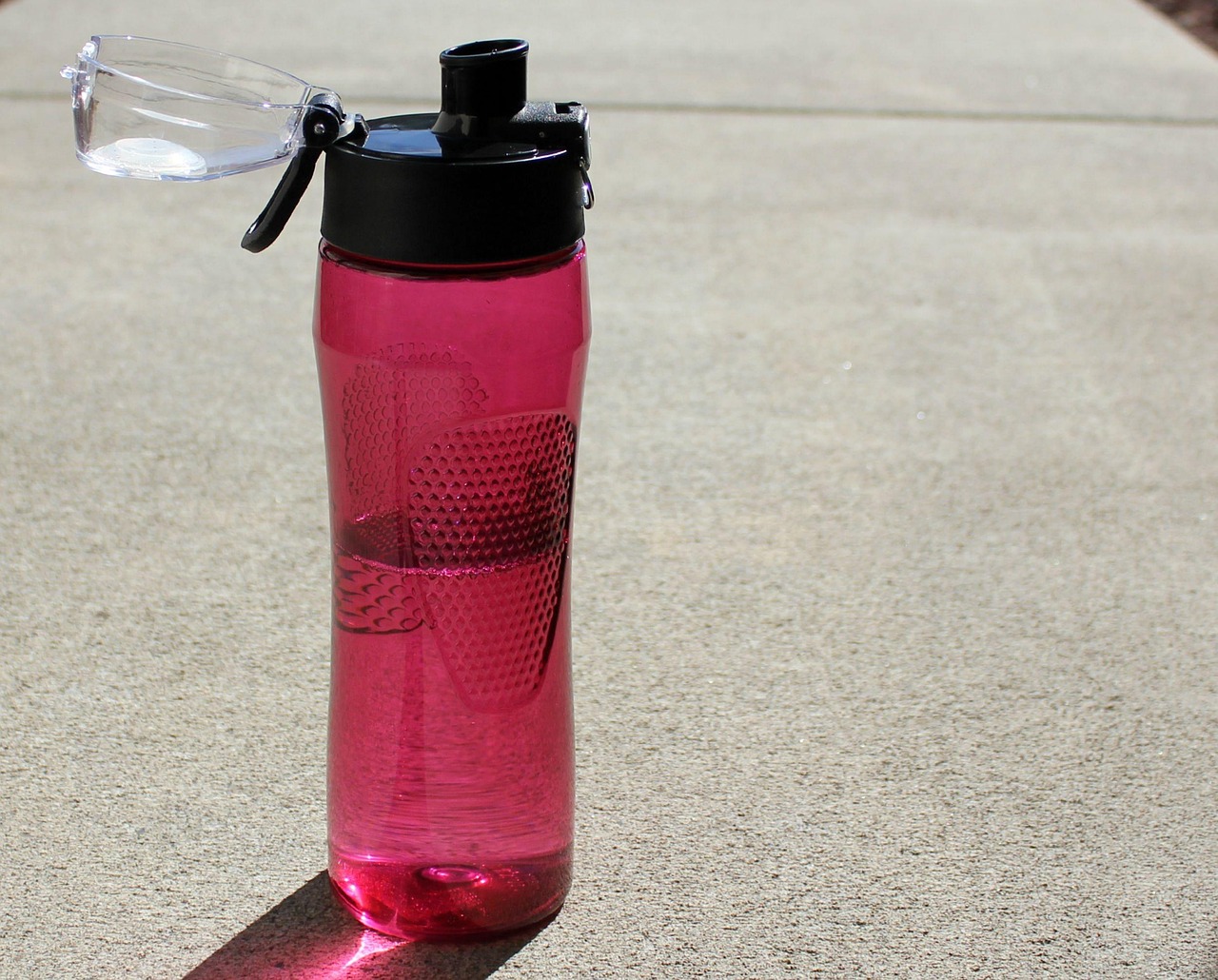
As part of the eco-conscious movement, using reusable water bottles has gained immense popularity among fitness enthusiasts. Not only do these bottles reduce single-use plastic waste, they also come in various designs, materials, and sizes. Many health-conscious individuals prefer stainless steel or glass bottles for their durability and safety. These materials ensure no contamination occurs, as they are free from harmful chemicals commonly found in plastics. In addition to safety and sustainability, these bottles can serve as motivational tools. Many brands encourage hydration tracking, enabling users to stay accountable for their hydration goals. This promotes not only individual health but supports a collective effort in sustainability. Communities are also forming around these shared values, fostering connections among eco-conscious athletes. Furthermore, many fitness events and gyms provide incentives for using reusable bottles, such as discounts or free refills. These initiatives encourage participants to not just consider their own health but the health of the planet. By being part of a growing group focused on sustainable hydration, enthusiasts can inspire others to follow suit, creating a ripple effect. Ultimately, the shift toward reusable bottles is a significant step toward reducing one’s carbon footprint in fitness.
Water Source Awareness
Another crucial aspect of sustainable hydration is the source of the water itself. Fitness enthusiasts should be mindful of their water consumption and how it affects local resources. Bottled water often comes from sources that may deplete local aquifers, causing environmental harm. It is essential to advocate for sustainable sourcing practices that ensure water remains accessible to future generations. Many regions are experiencing severe droughts, highlighting the urgent need to conserve water. Consequently, individuals can contribute to sustainable practices by being selective about their water sources. Opting for tap water is a great way to minimize impact, as well-cared-for municipal supplies often undergo strict safety regulations. Carrying a reusable bottle filled with filtered tap water can serve two functions: promoting hydration while reducing pollution. Additionally, participating in campaigns that support local water conservation efforts can amplify these benefits. Together, individuals can bring awareness to their communities about the importance of source sustainability. This awareness ultimately brings water usage into everyday conversations, leading to actionable practices that can preserve this vital resource. Balancing hydration needs with environmental responsibility is crucial for fitness enthusiasts striving to make a positive impact.
Eco-friendly options for hydration do not stop at choosing between single-use bottles or reusable alternatives. Increasingly, various brands are innovating unique products that focus on sustainability. For instance, there are now hydration packs designed for outdoor activities, made from recycled materials, enhancing their eco-duty significantly. These packs allow users to consume water effectively without resorting to plastic bottles. Moreover, sport hydration tablets are gaining traction among athletes, providing a compact alternative to bulky drink mixes. These tablets often come in biodegradable packaging, ensuring reduced waste. Emphasizing personal hygiene, many hydration brands focus on sustainability in their production processes, sourcing local ingredients where possible. This not only supports the local economy but significantly lowers carbon emissions from transportation. As consumers, fitness enthusiasts are becoming increasingly powerful advocates for sustainable products. Their purchasing choices directly influence the market, encouraging brands to adopt greener practices. By demonstrating preference for eco-friendly options, fitness enthusiasts contribute to a broader movement towards responsible drinking solutions. This positive trend propels the industry further into developing innovative solutions for reducing carbon footprints. Ultimately, every sustainable choice paves the way for healthier fitness habits and planet-conscious living.
Community and Collaboration
Several organizations and communities are emerging in support of sustainable hydration practices. Fitness enthusiasts can join workshops and volunteer opportunities that educate about the environmental impact of bottled water and promote eco-friendly hydration alternatives. Events organized around these themes often attract like-minded individuals, fostering camaraderie among participants. Many municipalities are also establishing public refill stations to encourage reusing bottles and decreasing reliance on single-use plastics. Such facilities are essential, as they aim to provide convenience, accessibility, and promote awareness about conservation. Fitness centers and gyms increasingly align with this movement, providing incentives for those utilizing reusable bottles. Collaborations between eco-friendly brands and fitness organizations further strengthen these initiatives. By pooling resources, knowledge, and communal efforts, these groups can amplify their message about sustainable hydration. Promoting a culture of accountability and collaboration ensures sustainability becomes ingrained in fitness communities. By participating in these movements, individuals can collectively work towards significant, long-term changes. Ultimately, communities that prioritize sustainable hydration not only advance environmental consciousness but create a healthier lifestyle for all members involved.
Education plays a pivotal role in encouraging sustainable hydration habits among fitness enthusiasts. Many individuals may not be fully aware of the implications that plastic waste creates. Workshops focused on sustainability and hydration impact can progress into actionable habits that participants carry with them. Many educational programs emphasize the significance of informed decision-making, covering topics such as the benefits of hydration, the environmental cost of various materials, and sustainable sourcing practices. Reputable organizations often host seminars led by experts who share insights into minimizing personal and community footprints. Moreover, online resources, including webinars and courses, further disseminate knowledge to a broader audience. Leveraging social media platforms allows eco-conscious individuals to share their experiences, offering guidance and tips on making sustainable hydration choices. This grassroots movement empowers fitness enthusiasts to hold brands accountable, ensuring companies prioritize environmental responsibility in their production practices. By shifting practices over time, clarity emerges in the choices consumers make during post-workout hydration. Comprehensive understanding and education are vital cornerstones for helping cultivate a community that is informed and proactive about sustainability. Educating oneself and others can play a significant role in changing behaviors and promoting eco-friendly hydration habits.
Track Your Impact
Tracking your hydration habits can significantly impact sustainability efforts, helping fitness enthusiasts become more mindful of their choices. Several apps and fitness trackers facilitate monitoring water consumption and assessing environmental footprints. Achieving hydration goals while lowering the carbon footprint is now easier than ever with technology at our disposal. Individuals can set reminders to hydrate and assess overall water intake, fostering awareness and encouraging responsible choices. As more athletes engage in personal tracking, they can share accomplishments with their communities, fostering a supportive environment. Celebrating milestones creates camaraderie among fitness enthusiasts who prioritize both their health and the environment. Furthermore, understanding and tracking one’s usage enables individuals to identify areas where adjustments can be made. This can lead to significant changes over time. Whether it is reducing the number of single-use bottles purchased or increasing the frequency of refilling a reusable container, every effort counts. Accountability, coupled with community encouragement, will ultimately support a widespread culture of sustainable hydration. Tracking and sharing progress can inspire collective changes, aligning personal wellness with the health of the planet. Together, fitness enthusiasts can champion eco-friendly practices in hydration.
In conclusion, sustainable hydration choices play a vital role in reducing the carbon footprint of fitness enthusiasts. Making small changes, such as opting for reusable bottles and advocating for local water sources, can yield significant benefits for the environment. Participating in educational programs and community initiatives enhances awareness, allowing individuals to learn how their choices impact the planet. Evaluating personal hydration habits and leveraging technology helps enthusiasts track their water usage, promoting mindfulness. Collaborating in shared efforts creates a community that not only supports each other but holds brands accountable. By making informed decisions, fitness enthusiasts can contribute to a wider movement pushing for eco-friendly hydration solutions. Collectively, these actions lead to healthier lifestyles aligned with environmental consciousness. It will take the concerted effort of each individual to foster lasting change, demonstrating that personal health and sustainability can coexist harmoniously. Ultimately, focusing on sustainable hydration is a powerful component within the fitness journey. By championing these choices, enthusiasts embrace their roles as stewards of the planet while continuing to pursue personal wellness goals.