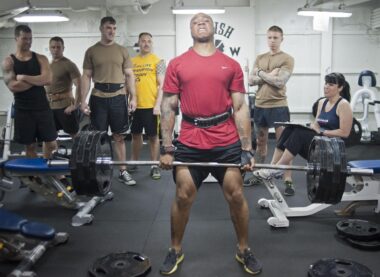

The Role of Core Stability in Weightlifting Safety
Weightlifting can significantly improve physical strength and overall fitness. However, safety cannot be overlooked. Core stability is the bedrock for effective weightlifting techniques. A strong core supports the spine during lifts, reducing the risk of injury. Core stability refers to the ability of abdominal and back muscles to maintain proper posture and alignment. This foundation becomes paramount when lifting heavy weights. By engaging core muscles, weightlifters can stabilize their entire body and create a solid base for each lift. This minimizes the potential for acute injuries such as strains or sprains. Improving core stability usually involves targeted exercises that enhance endurance and strength in the abdominal area. Exercises like planks, dead bugs, and glute bridges bolster core strength effectively. Moreover, an adequate warm-up focusing on core activation prepares the body for more strenuous lifts. Injury prevention starts with proper technique and understanding individual capabilities. Therefore, focusing on core stability should be a primary goal for both novice and experienced lifters aiming for improved performance.
Effective weightlifting requires more than just lifting heavy. Safety measures are paramount to ensuring a successful training session. Core stability plays a crucial role in mitigating risks. A stable core facilitates proper lifting techniques, allowing athletes to lift more weight efficiently. During lifts like squats or deadlifts, having a solid core alignment ensures that forces are distributed evenly throughout the body. Without this stability, off-balance lifts can lead to severe injuries, particularly to the lower back. Furthermore, a weak core can lead to compensatory movements, increasing injury risks. Athletes are encouraged to integrate various stability-enhancing exercises into their routines. Pilates and yoga are excellent ways to bolster core strength while improving flexibility. Understanding body mechanics strengthens the connection between core engagement and successful lifts. The impact is seen not only in safety but also in athletic performance. Well-conditioned core muscles can improve overall strength and power outputs. This results in better lifting form. When weightlifters prioritize core stability and safety, they position themselves for long-term success in their fitness journey.
Understanding Body Mechanics
By understanding the principles of body mechanics, athletes can leverage their bodies’ natural strengths. Proper form and alignment during weightlifting enhance force generation. When lifting weights, it’s imperative to visualize how your body moves and reacts under load. Engaging the core before initiating any lift stabilizes the torso. This alignment allows limbs to move freely without risking injury. There are several biomechanical principles to consider, such as the center of gravity and leverage. Having a low center of gravity creates balance, which is essential when performing complex maneuvers. This is especially true for Olympic lifts like snatches or clean and jerks. Training the core also improves proprioception, the body’s ability to sense its position in space. Increased awareness leads to better control during lifts. Core stability training should, therefore, form a significant part of any weightlifter’s training program. Incorporating exercises specifically designed for stability and strength development can create a safer lifting environment. Remember, weightlifting is not just about strength; it’s about smart lifting techniques as well.
Nutrition also plays a significant role in maintaining core stability. Proper diet ensures that muscles have the energy required for optimal performance. Weightlifters must fuel their bodies with nutrient-rich foods, providing essential vitamins and minerals. A balanced intake supports muscle repair and growth while enhancing overall physical performance. Consuming an adequate amount of protein is critical for muscle health and stability. In collaboration with a proper nutritional framework, core strengthening exercises will enhance function. This creates a stable foundation for lifting. Failure to prioritize nutrition can lead to decreased energy levels. Weightlifters might not perform optimally, jeopardizing their safety and effectiveness. Staying hydrated is equally important, as dehydration can impair physical performance. A well-hydrated body functions better during lifts, ensuring focus and coordination. Weightlifters are also advised to limit processed foods high in sugars. Instead, they should opt for whole foods that support muscle and joint health. Nutritional choices directly impact core strength and overall lifting performance. A cohesive approach balancing training and nutrition sets weightlifters up for sustainable success and safety throughout their training sessions.
Injury Prevention Techniques
Injury prevention is a priority for anyone serious about weightlifting. Adopting various techniques can safeguard against injury and enhance core stability. Warm-up routines should always precede lifting sessions to prepare the body adequately. Dynamic stretches specifically target core muscles, gradually increasing blood flow. Resistance bands and light weights can also be introduced during warm-ups to prime the stabilization muscles necessary for effective lifting. Additionally, cooldown exercises post-training assist muscle recovery and flexibility. Proper recovery ensures that the core can endure another heavy lifting session. Having a spotter during lifting is another precaution that shouldn’t be overlooked. A spotter can help in emergencies and promote confidence while attempting challenging lifts. It also fosters an environment of safety and camaraderie in the gym. Maintaining flexibility in the muscles surrounding the core enhances athletic performance. Incorporating regular stretching routines keeps muscles limber. By focusing on both stability and flexibility, athletes create a versatile foundation in their weightlifting practice. Remember, injury prevention directly correlates with consistent training and accountability within workouts.
Moreover, understanding individual limitations is essential for safety. Each weightlifter has different strength levels and potential for mobility. Attempting to lift weights beyond personal capabilities can lead to injuries, especially in the core area. It’s crucial to progress gradually, focusing on form over sheer weight. Keeping a training journal can help track achievements and recognize areas needing improvement. Conversely, overtraining should be avoided, as fatigue compromises core stability. Regular rest days allow the body to recuperate, enabling core muscles to strengthen fully before the next session. Listening to one’s body is key, as pain signals may indicate an underlying issue. Using proper gear, such as supportive shoes and belts, can further enhance safety during lifts. Investing in appropriate equipment reflects a serious commitment to weightlifting safety. Technique assessments with coaches or experienced lifters can also offer valuable insights. Continuous self-improvement fosters a culture of safety in weightlifting. Emphasizing core stability is not merely about performance; it’s central to longevity and health. Prioritizing these factors sets a foundation for years of successful and safe weightlifting.
Conclusion
In summary, core stability is integral to effective and safe weightlifting practices. Understanding its importance helps mitigate risks, maximizing performance potential. Weightlifting engages multiple muscle groups requiring coordination and stability. By focusing on core strength, lifters can enhance their overall execution of techniques. The journey involves balancing training, nutrition, recovery, and risk management. Each aspect contributes to safe lifting practices, significantly reducing injury chances. Lifters who prioritize core stability yield benefits not only in strength but in longevity. Celebrating successes, no matter how small, along the way motivates ongoing commitment. Implementing a holistic training regimen encourages both skill development and safety awareness. As with any physical activity, being mindful of health parameters maintains a thriving fitness lifestyle. Progress should be approached gradually after consistent training efforts. Seek guidance from experienced trainers to improve technique. This ensures that lifters develop a robust core foundation and train safely. Adopting a proactive approach to safety is essential for weightlifters focusing on growth, performance, and long-term health. Overall, core stability must remain a central pillar of any serious weightlifter’s training journey.
When looking at weightlifting safety, it is crucial to consider the mental aspect, as well. Mental focus and understanding one’s limitations support the physiological readiness in training. Lifters should engage in regular mental checks, ensuring they are alert and focused during sessions. Distractions can lead to improper techniques, resulting in injuries that undermine progress. Developing mental resilience through mindfulness practices enhances concentration and dedication to lifting safely. Furthermore, cultivating a positive mindset encourages persistence even through challenges. This also fosters a habit of prioritizing safety in workouts consistently. Those that work on mental strength can improve their connection between mind and body. This connection is vital for effective core engagement during heavy lifts. Emphasizing the importance of mental preparedness may not be something that many consider. However, it plays a pivotal role in weightlifting success. Therefore, including mental training with physical preparation can maximize performance outputs. Safety should never be an afterthought; rather, it forms the foundation of every training session. Those who understand the link between core stability and mental readiness will achieve more in their weightlifting journeys.