
How Caregivers Can Encourage Senior Fitness Safely
Promoting senior fitness is essential for the well-being of older adults. Caregivers play a crucial role in this process, helping seniors maintain their physical health and mobility. To encourage safe fitness routines, caregivers should start by assessing the individual needs of each senior. Consider their current fitness level, medical history, and any existing injuries. Developing a personalized fitness plan ensures that activities align with the capabilities of the senior while minimizing any risks associated with exercise. Incorporating a mix of strength, flexibility, and balance training is highly recommended for seniors. Adapting exercises to fit their preferences also enhances the likelihood of participation. Implementing enjoyable activities such as walking, dancing, or gentle yoga can make fitness fun and accessible. It’s vital for caregivers to demonstrate exercises, provide encouragement, and ensure a safe environment free of hazards. Always consult healthcare providers before starting a new exercise regimen. Finally, fostering a routine where fitness is integrated into daily life is key. Regular check-ins and adaptations to the plan can keep motivation high while promoting longevity and overall health among seniors.
Encouraging social interaction can greatly benefit senior fitness. When caregivers involve friends and family in fitness activities, it enhances motivation and enjoyment. Group activities, such as walking clubs or fitness classes tailored for seniors, foster a sense of community while promoting physical health. These group settings provide valuable peer support that can make exercise feel less daunting and more engaging. Also, caregivers can leverage technology to connect seniors with virtual exercise classes or video calls with family members, ensuring they feel connected while staying active. Importantly, caregivers should remain aware of the unique challenges that some seniors may face regarding mobility and coordination. Modification of exercises may be necessary to accommodate these physical limitations. For instance, using chairs for support during leg exercises can prevent falls while still encouraging movement. Additionally, caregivers should celebrate small victories to boost confidence and reinforce the benefits of regular activity. It’s essential for seniors to view exercise not just as a chore, but as a pleasurable and fulfilling part of their day. The goal is to cultivate a positive attitude toward fitness that lasts over time.
Safety Precautions to Consider
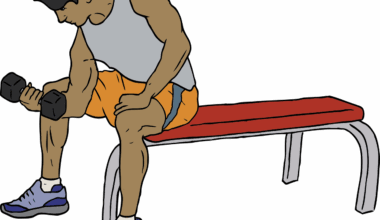
When encouraging senior fitness, safety should always be the top priority. Caregivers need to observe seniors during exercise to ensure they are performing movements correctly and safely. Providing verbal cues and physical support when necessary can help. Moreover, senior-friendly equipment such as lightweight dumbbells or resistance bands can be incorporated into routines to enhance strength training safely. It’s imperative to begin each session with a warm-up, gradually increasing intensity to prevent injury. Cooling down after exercise is equally important as it allows the muscles to transition back to rest. Caregivers should educate themselves about the signs of overexertion, including excessive fatigue, shortness of breath, or dizziness. If seniors experience any discomfort during exercise, it’s crucial to reduce the intensity or stop the activity completely. Scheduling regular check-ins with healthcare professionals ensures that fitness plans are appropriate and beneficial. This collaboration can provide caregivers with more effective strategies for adapting activities to meet the needs of seniors. Also, documenting progress can highlight improvements, encouraging both caregivers and seniors to remain committed to their fitness journeys.
Incorporating technology can also enhance fitness routines for seniors. Fitness trackers or smartphone applications provide caregivers with tools to set goals, monitor progress, and encourage accountability. These technologies can make exercise more engaging and can help in tracking metrics like steps taken or calories burned. Additionally, many apps provide guided exercises tailored for seniors, ensuring safety while promoting engagement. Caregivers can utilize these tools to create a challenge, providing motivation for both parties involved to stay active. Finding a balance between technology use and face-to-face interaction is key; caregivers should not rely entirely on devices to support fitness. Social media can also unify fitness efforts, with seniors sharing accomplishments or joining online support groups geared towards fitness and healthy living. This virtual support can enhance motivation and sense of belonging. Additionally, establishing boundaries regarding screen time is essential; too much focus on technology may detract from meaningful interpersonal interactions. Ultimately, using technology as a complementary resource will yield the best results, blending traditional caregiving methods with modern innovations.
Nutrition’s Role in Senior Fitness
An essential aspect of encouraging senior fitness is maintaining proper nutrition. Caregivers should emphasize a balanced diet rich in fruits, vegetables, lean proteins, and whole grains that supports overall health and energy levels. Proper nutrition enhances physical exercise effectiveness and recovery times, making it crucial for seniors engaged in fitness activities. Also, caregivers should educate seniors about portion control; offers may need to be adjusted as metabolism changes with age. Discussing dietary preferences and restrictions with seniors ensures that meal plans reflect their tastes and health needs. Meal preparation can become a fun communal activity; caregivers and seniors can cook together, reinforcing healthy eating habits. Hydration is another critical aspect of nutrition often overlooked; caregivers must remind seniors to consume adequate water throughout the day, especially before, during, and after physical activity. Educational workshops or assistance from nutritionists can provide seniors with more detailed guidance on healthful eating. By coupling regular physical activity with good nutrition, caregivers empower seniors to achieve their fitness goals and enhance their quality of life considerably over time. As a result, establishing these healthy habits can improve longevity and overall well-being.
Adapting exercises to meet the unique needs of seniors is critical for their success. Caregivers should regularly evaluate the preferred activities of each senior and adapt them based on changing abilities or interests. For instance, a senior may prefer water aerobics over traditional gym workouts because water’s buoyancy can ease strain on joints. Additionally, introducing new activities can keep seniors engaged; encouraging them to try Tai Chi, walking, or gardening activities can offer variety. Caregivers should also prioritize flexibility and balance exercises that significantly reduce fall risks, allowing seniors to maintain independence longer. Every senior is different, and what works for one may not suit another; therefore, careful observation plays a vital role. Acknowledging individual preferences promotes a sense of ownership in their fitness journey. Collaboration with healthcare providers for resource recommendations or assistance in creating specialized routines is essential as well. Caregivers should promote an encouraging environment, recognizing that persistence and adherence to routines will lead to the best outcomes. Celebrating milestones, no matter how small, reinforces positive habits while motivating seniors to continually engage in their fitness routines.
Encouraging Independence and Self-Efficacy
Ultimately, fostering independence among seniors contributes to their ability to engage safely and effectively in physical activities. Caregivers should actively encourage seniors to participate in setting their fitness goals, allowing for personal investment in their routines. This empowerment nurtures a sense of self-efficacy, allowing seniors to feel more in control of their health and fitness. Rather than solely directing their activities, caregivers should facilitate discussions that promote ownership. Allowing seniors to voice their preferences or ideas leads to more meaningful engagement and adherence to exercise plans. Moreover, caregivers can promote gradual progression, encouraging seniors to increase intensity as their skills and confidence develop. Recognizing and utilizing techniques such as positive reinforcement can enhance overall success. Teaching seniors to listen to their bodies and communicate any discomfort fosters a sense of trust and accountability in caregivers’ instructions. Ultimately, the goal is to empower seniors to see themselves as active participants in their fitness journey. Establishing a supportive and resilient mindset prepares seniors for challenges while inspiring confidence in their ability to maintain an active lifestyle.
The significance of regular physical activity for seniors cannot be overstated. As caregivers work to encourage fitness, they should understand that making exercise a part of day-to-day life is vital. Building flexibility and adaptability into fitness routines accommodates changes in senior capabilities, ensuring long-term success. Cultivating healthy habits must be at the forefront of caregivers’ strategies, urging seniors to prioritize daily movement. Setting realistic expectations, frequency, and modality are equally important in maintaining motivation. For instance, short, frequent exercise sessions are often more effective than longer ones, particularly for those with limited endurance. Caregivers should also note that providing a variety of options keeps engaged seniors while still pursuing their goals. Creating opportunities for social fitness, such as coordinating walks in parks or participating in group classes, allows for socializing while exercising. Caregivers must remember that empathy and encouragement are key motivators in fostering a positive attitude towards fitness. Regularly revisiting fitness goals and celebrating achievements raises awareness about the impact consistent activity has on seniors’ quality of life. This sustained focus on fitness will ultimately establish a healthier, happier lifestyle during their golden years.