
Muscle Building Workouts Focused on Core Strength
Building core strength is crucial for overall muscle development and stability, especially during workouts. A strong core enhances performance in various exercises while minimizing injury risk. It is important to incorporate numerous core-focused workouts to effectively build muscle. For those serious about muscle building, some great exercises include planks, Russian twists, deadlifts, and squats. Start with bodyweight movements, such as plank variations. Progress to weighted exercises for increased resistance, ensuring your core remains engaged throughout. This approach helps in developing not just the abs but also the obliques and lower back. Progressive overload, where you gradually increase weights or resistance, encourages muscle growth. Consistent practice is essential, as results will come over time with dedication. Also, consider rotating core workouts every four to six weeks to prevent plateaus. Nutrition plays a significant role as well; ensure you’re fueling your body with sufficient protein and healthy fats. Hydration should not be overlooked; drink enough water before, during, and after your workouts to maintain optimal performance. Alternatively, add in mobility training to improve flexibility and support core work. This balanced routine creates a solid foundation for muscle building.
Essential Core Exercises
To develop a well-rounded core, it’s essential to target various muscle groups, allowing for comprehensive growth. Consider the following exercises: first, the deadlift, which is a powerhouse movement working both the posterior chain and core. Second, bicycle crunches create effective dynamic tension throughout the core. Next, the stability ball rollout not only challenges the core but also improves balance, resulting in a stronger overall foundation. Furthermore, weighted side bends can isolate the obliques while enhancing core stability and strength. This systematic approach ensures that each muscle group is adequately engaged, resulting in an effective muscle building routine. Aim for three sets of 10-15 repetitions for each exercise, progressively increasing weights or reps as your strength improves. Don’t forget the importance of rest days as well. Allow your muscles adequate time to recover and grow. Finally, include activities like yoga or Pilates that focus on core engagement to complement traditional strength training. These practices improve flexibility and enhance your overall workout performance. Mixing different workouts, with regular adjustments, keeps your approach fresh and productive, continually challenging both stability and strength to achieve the best possible muscle results.
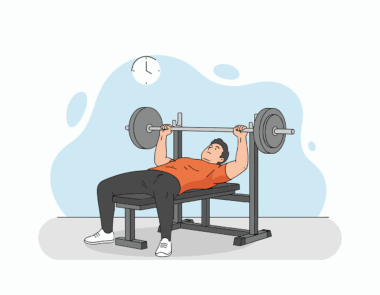
It’s crucial to incorporate compound movements that benefit both the core and larger muscle groups. Exercises such as squats and bench presses activate the core indirectly. Perform squats, engaging your core for stability throughout the motion, meaning functional fitness increases. Your legs and core work together throughout the squat, showing the integral link between muscle groups. Similarly, the bench press requires core engagement to maintain proper posture; thus, it simultaneously trains upper body muscles while reinforcing core strength. Consider further synergistic workouts that could enhance your overall foundation, such as lunges and overhead presses, which activate the core for balance and control. Perform additional accessory core exercises post-weights to maximize fatigue and engagement, encouraging muscle growth. Mix up rep ranges and intensity by integrating supersets or circuit training techniques to increase the overall challenge. Incorporating progressive overload is key; whether through increased weights or varied workout techniques, this leads to continuous growth. Finally, tracking your workouts might help maintain motivation and accountability, allowing you to adjust techniques as needed. Utilize fitness apps or keep a workout journal to establish and reach your forecasting goals.
The Role of Nutrition in Core Strength
Nutritional input plays a vital role in muscle recovery and core strength enhancement. Proper nutrition supports effective muscle growth through high-quality protein sources, which are essential for muscle repair. Consider integrating lean proteins like chicken, fish, eggs, beans, and legumes into meals as part of a balanced diet. Complex carbohydrates should also be embraced; they provide the necessary energy for intense workouts. Incorporate foods such as quinoa, brown rice, and sweet potatoes for sustained energy releases. Remember essential vitamins and minerals as well; fruits and vegetables significantly contribute to overall health and muscle efficiency. Supplements can complement diet routines too; protein shakes post-workout offer a convenient way to ensure daily protein goals are met. Additionally, healthy fats have their place in nutrition; foods like avocado, nuts, and olive oil provide essential fatty acids supportive of recovery. Preparing meals in advance can streamline nutrition, ensuring that you stay on track with healthy eating. Above all, hydration remains critical, promoting optimal performance and recovery. Lastly, engage in mindful eating practices, meaning listen to your body’s hunger signals and adjust food intake according to physical demands.
Rest and recovery also play significant roles in maximizing muscle building and core strength. Without adequate rest, muscles do not have time to recuperate and grow effectively. Aim for 7 to 9 hours of quality sleep daily, ensuring both recovery and repair occur. Pay attention to your body; signs of fatigue or soreness may indicate the need for a rest day. Structure your workouts to include lighter days and active recovery, allowing time for muscle regeneration. Active recovery might include gentle activities like walking, swimming, or yoga, preventing complete stagnation while allowing adequate rest. Post-workout recovery practices can also enhance muscle growth; consider strategies such as foam rolling, stretching, or employing cold therapy methods. Furthermore, intensively listening to your body prevents overtraining and burnout, which can derail progress. Additionally, avoid training the same muscle groups on consecutive days to promote effective recovery. Respect rest periods between sets; this practice can ensure effective energy restoration and muscle recovery. Incorporate both physical and mental rest to improve your overall effectiveness, resulting in increased muscle strengthening. Realize that the best results arise from a balanced approach, integrating workouts, nutrition, rest, and recovery.
Progress Tracking
Monitoring progress is essential in any muscle building journey. Keeping track of your workouts allows you to note improvements and adjustments as needed. Use fitness trackers, spreadsheets, or mobile apps for ease of tracking records. Documenting the type of exercises, weights lifted, and repetitions enhances performance, providing motivation through noticeable progress over time. Regularly reviewing your training plans can identify which exercises yield the best results. Periodically adjusting workout regimens helps you remain engaged, enabling consistent growth. Set clear goals, whether they be enhancing core stability, strength, or overall muscle size. Consider tracking body measurements or gym performance benchmarks to assess progress accurately. Regularly take before and after photographs for visual motivation provided by clear evidence of your hard work. Set up a schedule for performance testing every few weeks, allowing for re-evaluation. Celebrate milestones, as recognizing accomplishments increases motivation and dedication to ongoing fitness endeavors. Staying committed to tracking helps cultivate a sense of discipline and accountability that will ultimately lead to success. Engaging in a muscle-building program becomes more manageable when transparently tracking achievements and milestones.
Finally, maintaining a positive mindset and encouragement is essential for staying committed to muscle-building goals. Creating an environment that fosters motivation, whether through fitness communities or solo workouts, is vital. Join local fitness clubs, online forums, or social media groups to connect with others who share similar goals. Encouragement from peers contributes to emotional resilience during challenging workouts or plateaus. Remember, constructing muscle growth takes time, and celebrating small victories becomes essential along the journey. Engage in motivational content such as books, podcasts, or videos that inspire continuous progress and self-improvement. Setting realistic expectations and acknowledging your journey as a process also fosters a growth mindset, ensuring that motivational tactics remain effective. Accepting setbacks as part of growth reinforces your resilience, improving long-term dedication. Share your goals with friends or family to enhance accountability, making efforts more fulfilling and rewarding. Lastly, keep an open mind; participating in different workouts, techniques, or environments creates excitement, allowing room for further improvement. In summary, balance dedication and positivity to achieve not only core strength but transformative muscle-building success.