
Incorporating Cardiovascular Training in Adaptive Fitness Regimens
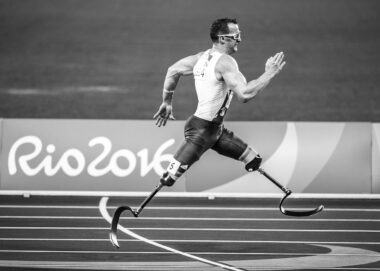
Cardiovascular training plays a crucial role in adaptive fitness, particularly for individuals with disabilities. Engaging in appropriate cardiovascular exercises can enhance cardiovascular health and improve overall fitness levels. Notably, this form of training is beneficial as it fosters social interaction, boosts mental well-being, and increases independence. Research indicates that individuals with disabilities often face unique challenges, making it essential to develop innovative adaptive fitness regimens. By incorporating cardiovascular training tailored to their needs, trainers can help clients experience various health benefits. Effective cardiovascular training may include activities such as swimming, cycling, or walking, modified to suit individuals’ unique requirements. Additionally, considering individuals’ physical limitations is vital in selecting the right cardiovascular activities. Equipment modifications, such as using adaptive bicycles or water therapy, can enhance the experience and accessibility. Adaptation is key to ensuring a successful training regimen and fostering motivation. Proper guidance and support from experienced trainers can greatly improve adaptive cardiovascular exercise outcomes. Moreover, cultivating a positive atmosphere encourages continued participation and progress in their fitness journey. Ultimately, maintaining health through cardiovascular training can lead to a higher quality of life for individuals with disabilities.
Communication plays an important role when working with individuals with disabilities. Listening to clients and understanding their specific needs is essential for creating a personalized adaptive fitness plan. By fostering open communication, trainers can help clients express preferences for training activities. Understanding their unique capabilities and restrictions can help trainers to select appropriate cardiovascular exercises. Furthermore, regularly reassessing clients’ progress allows for adjustments to be made during the training process. Celebrating milestones, regardless of their size, can reinforce motivation and encourage continued participation. Engaging clients in goal-setting empowers them and enhances their commitment to the workout regimen. Throughout the training process, it is necessary to maintain a balance between challenging clients and ensuring they feel comfortable and safe. Providing encouragement and positive feedback is paramount, as this helps build their self-esteem and confidence. Incorporating fun elements, such as music or games during sessions, can also enhance enjoyment and engagement. Ultimately, the inclusion of these aspects can create an exciting and effective cardiovascular training environment for individuals with disabilities. Adapting activities appropriately will allow them to experience personal growth and achieve fitness goals effectively.
Benefits of Cardiovascular Training in Adaptive Fitness
The benefits of cardiovascular training for individuals with disabilities encompass various physical and mental health aspects. Cardiovascular exercises improve heart and lung function by enhancing circulation and oxygen supply to muscles. In turn, this can significantly increase endurance and stamina in day-to-day activities. Additionally, regular cardiovascular training can assist with weight management, ultimately reducing the risk of chronic conditions such as obesity and diabetes. Mental health advantages are also noteworthy, as engaging in physical activity can alleviate symptoms of anxiety and depression. Moreover, feeling accomplished in completing workouts can enhance self-esteem and promote positive body image. Social connections formed during group workouts contribute to a sense of belonging and community. Individualized training programs further empower participants, helping them regain control over their health and fitness journey. These regimens set realistic goals and recognize achievements, thereby fostering a strong sense of motivation. By integrating cardiovascular training into adaptive fitness regimens, trainers can create a holistic approach to health. Ultimately, enhancing both physical and mental well-being leads to improved quality of life for participants in the adaptive fitness community.
Incorporating diverse activities into adaptive cardiovascular fitness training is vital for keeping clients engaged and motivated. Variety prevents monotony and encourages clients to explore different forms of exercise that interest them. Some effective activities include chair aerobics, adaptive sports, or circuit training tailored for their abilities. Including exercises that can be performed in a seated position allows clients with limited mobility to participate comfortably. These low-impact options, when performed regularly, can still yield significant cardiovascular benefits without putting excessive strain on the body. Additionally, incorporating interval training can provide intensity variations in workouts, enhancing endurance and overall fitness. Ensuring modifications are accessible for varying ability levels helps create an inclusive environment. This inclusion cultivates a supportive atmosphere where clients feel encouraged to connect with peers and work towards their goals together. Understanding each individual’s preferences and tailoring workouts can further increase adherence to the program. Moreover, tracking personal progress through various forms, such as apps or journals, can foster accountability. Celebrating small achievements promotes long-term commitment to maintaining an active lifestyle. In conclusion, flexibility in adopting different cardiovascular activities ensures clients remain enthusiastic and engaged.
Adapting Fitness Environments
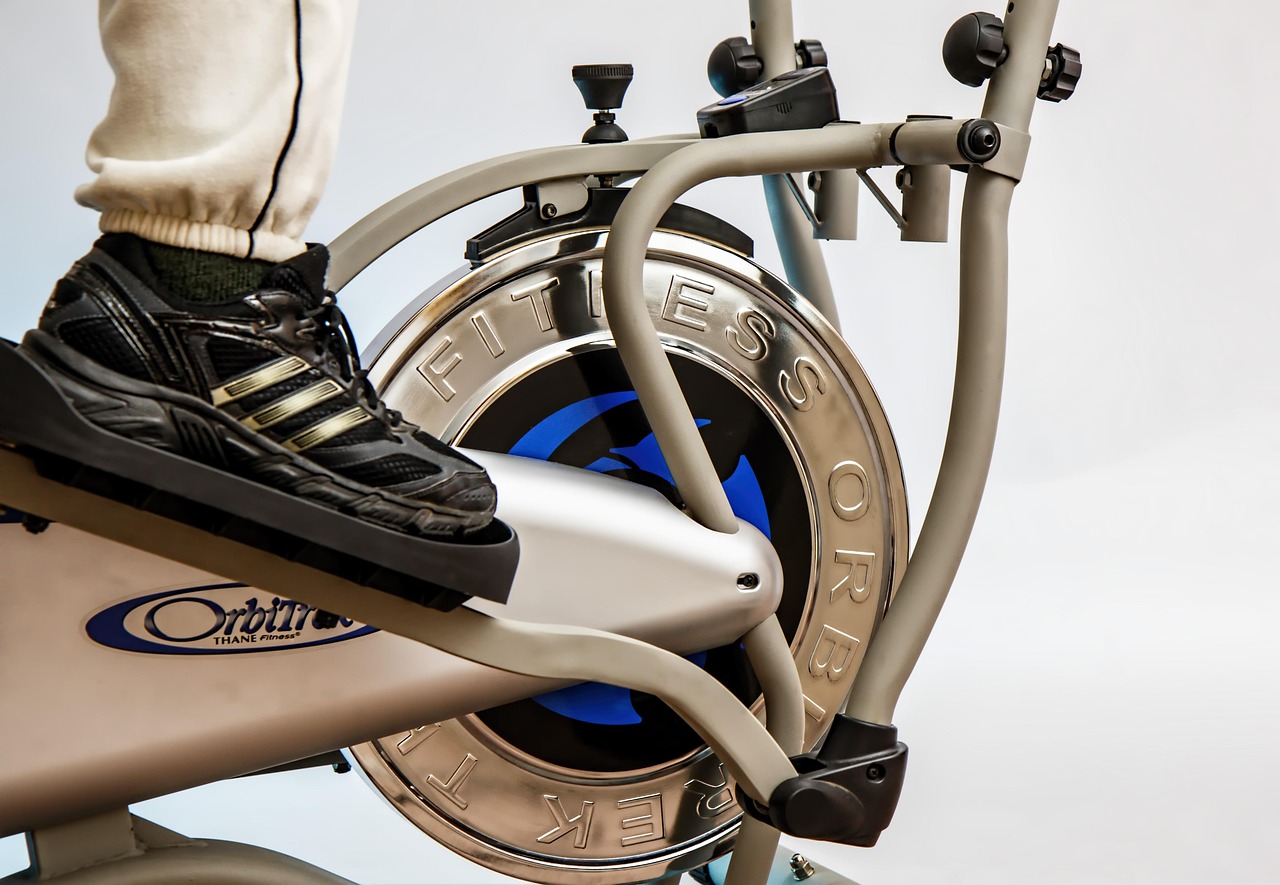
Creating an inclusive fitness environment is essential in supporting adaptive cardiovascular training for individuals with disabilities. Accessibility should be prioritized when designing training spaces, with equipment that caters to various needs. Facilities should consider modifications such as ramps, wider doorways, and designated spaces for adaptive gear. The inclusion of specialized equipment, such as recumbent bikes or adaptive treadmills, enhances the experience and ensures that everyone feels welcome. Furthermore, knowledgeable staff familiar with disability issues can provide valuable guidance and assistance during workouts. Staff training should emphasize empathy, understanding, and adaptability to cater to varying fitness levels and backgrounds. Promoting a positive atmosphere encourages individuals to try new activities without fear of judgment. Group classes specifically designed for various abilities foster a sense of community and attachment among participants. Moreover, adequate safety measures should be in place, ensuring clients feel secure during workouts. Regular feedback from clients on the fitness environment can assist management in implementing necessary improvements. Ultimately, cultivating a supportive and understanding atmosphere enhances client experience, and aids in their pursuit of fitness and well-being.
In addition to traditional forms of cardiovascular training, incorporating innovative technologies can revolutionize adaptive fitness. Virtual reality, for instance, offers interactive experiences allowing individuals with disabilities to undertake novel workouts. These engaging platforms enhance enjoyment and motivation while enabling individuals to work at their own pace. Moreover, fitness apps designed specifically for people with disabilities can facilitate tailored workouts and track progress effectively. Such apps can include modifications and adaptive techniques, thus fostering independence and self-efficacy. With the increasing prevalence of wearable technology, clients can also monitor their heart rate, calories burned, and other essential metrics. This allows for more personalized adjustments to their routines, contributing to their overall physical health. Integrating online platforms fosters a broader community and facilitates social interaction, providing encouragement and accountability. As technology continues to progress, it is crucial to remain adaptable in utilizing these advancements to optimize cardiovascular training. Continuous research and assessment of new resources are vital in keeping programs up-to-date and relevant. Ultimately, these technological advancements can elevate the adaptive fitness experience, empowering individuals with disabilities.
Long-term Impact of Cardiovascular Training
Long-term engagement in cardiovascular training can lead to transformative life changes for individuals with disabilities. As they become more physically active, various improvements in health and fitness may be observed over time. Enhancements in cardiovascular endurance lead to increased daily functional abilities, allowing clients to participate in activities they may have previously avoided. Furthermore, regular exercise can significantly impact mood and mental clarity, providing psychological benefits that extend beyond the gym. Sustained enjoyment in these routines encourages a healthier lifestyle outside fitness environments, promoting nutritious eating habits and personal responsibility for well-being. Over time, participants can foster a sense of empowerment, leading them to set higher fitness goals. Achieving these goals cultivates a lasting sense of accomplishment, inspiring others within their communities. The positive ripple effects instill a sense of hope and possibility in those facing similar challenges. Sharing personal experiences and success stories encourages a supportive network, further inspiring others to embark on their fitness journeys. Ultimately, involvement in cardiovascular training not only aids individuals with disabilities in improving their overall health, but also positively influences their personal and social growth.
The journey towards incorporating cardiovascular training into adaptive fitness regimens is an ongoing endeavor that requires commitment from both trainers and participants alike. Establishing and maintaining effective communication channels promotes the receptive feedback and adaptability necessary to make meaningful progress. Engaging clients in their own fitness journey develops a strong partnership that enhances accountability and motivation throughout training. Understanding that setbacks are a natural part of the process is crucial; overcoming challenges fosters resilience and fortitude. Continued education and the evolution of fitness techniques ensure that trainers can provide the best possible guidance. Excellence in adaptive fitness involves being informed about the latest trends, principles, and tools available in the field. Building an inclusive community around adaptive fitness encourages connection and growth among participants. As trainers and clients work collaboratively towards shared goals, lifelong friendships may develop, enhancing the experience. By celebrating achievements and embracing challenges, those involved in adaptive cardiovascular fitness can impact their own lives and those around them positively. In conclusion, integrating effective cardiovascular training into adaptive fitness regimens will foster health, resilience, and a sense of community among participants.