
The Benefits of Customizable Fitness Apps
In today’s health-conscious society, personalized fitness trackers have become vital. Customizable fitness apps offer adaptability to users. They allow for modification according to individual goals, preferences, and lifestyles. Unlike rigid, one-size-fits-all solutions, these apps support personalization features. Users can tailor their fitness experiences by adjusting workouts, diet plans, and activity logging. This functionality motivates users towards their specific health goals. With numerous fitness journeys, providing custom tracking options greatly enhances user satisfaction. Tracking systems that adapt to individual needs help address various health challenges and fitness levels. Additionally, users can prioritize which fitness metrics matter most, be it weight, distance, or calories burned. Integrating personal preferences fosters a more engaging experience with the app. These apps also often provide reminders and notifications tailored to the user’s schedule. This can lead to better adherence to fitness routines. Moreover, the ability to integrate with other health devices bolsters the tracking experience significantly. This ultimately optimizes performance monitoring, ensuring users remain committed to their wellness journey. Through customization, these tools empower users, promoting better accountability and informed choices in their fitness endeavors.
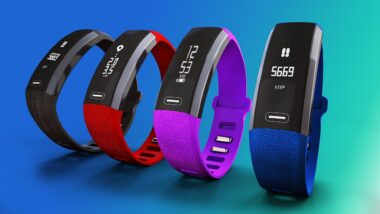
Another compelling advantage of customizable fitness apps is the enhanced user engagement they offer. By allowing individuals to shape their fitness tracking experience, these apps spark deeper interest and commitment. For instance, users can set personal challenges and milestones aligned with their unique objectives. This increases motivation levels, making the fitness process not just effective but enjoyable. Additionally, compatibility with various wearables and devices enriches the experience. Individuals can seamlessly connect their preferred devices. This integration ensures comprehensive tracking of real-time fitness data across platforms. Frequent updates and adaptations cultivate a sense of ownership over one’s journey. Elements like badges or rewards for achieving goals further incentivize users. Moreover, the visual representations of data can be customized. Users appreciate seeing their progress illustrated in various formats—graphs, charts, etc. Instead of daunting numerical stats, witnessing enhanced performance visually can be encouraging. Creating a personalized dashboard aligns metrics with personal significance. This way, users can focus on what inspires them. Furthermore, these apps often feature community-based components where users can share their progress, fostering motivation through social interactions. Ultimately, users feel supported in their fitness endeavors, making the journey more enjoyable and rewarding.
The versatility of customizable fitness apps extends to their nutritional tracking capabilities, which are equally essential. Users can personalize meal plans and logging systems to suit dietary preferences or restrictions. This means that whether one follows a vegan, ketogenic, or general healthy eating approach, the app can adapt accordingly. Nutritional information can be displayed in a user-friendly manner, allowing individuals to make informed choices about their food intake. By tracking meals and calories aligned with personal diet choices, users can achieve their nutritional goals more effectively. Additionally, the app’s adjustable tracking can assist in building better eating habits over time. Users may set reminders to prompt mindful eating practices. This customization can create a thorough understanding of one’s eating patterns, leading to more conscious food-related decisions. Furthermore, the integration of grocery lists enhances the meal planning process. Users can create personalized lists based on the meals they plan to prepare, making shopping easier. Such features help bridge the gap between fitness and nutrition. Overall, the connection between custom tracking systems and nutrition plays a critical role in holistic health management. Tailored solutions directly cater to each user’s dietary needs and preferences, resulting in more sustainable eating habits.
Improved Goal Setting and Tracking
Customizable fitness apps excel in fostering effective goal setting and tracking. Users can define specific, measurable objectives that align with their personal desires. This specificity ensures accountability as individuals can monitor their progress regularly. The app’s tracking features provide visual cues, allowing users to see their advancements over time. Being able to set and adjust goals encourages continuous self-improvement, driving consistent engagement. Easy modifications enable users to evolve their targets as they progress. For instance, as fitness levels increase, users may aim for higher exercise frequency or more intense workouts. These adjustments can re-energize a fitness routine, warding off stagnation. Moreover, gamification aspects in customizable apps enhance engagement further. Users often enjoy competing with themselves or peers, making workouts more enjoyable. Integrating social features, such as sharing results or inviting friends to challenges, instills a sense of camaraderie among users. Additionally, personalized notifications can encourage individuals to remain on track with their routines. Informative feedback about performance informs necessary adjustments to training. Thus, the blend of personalized goal setting and tracking contributes to overall success in achieving fitness objectives. These apps validate individual journeys, promoting confidence in personal progress and achievements.
Another noteworthy feature of customizable fitness apps is their adaptability to various fitness levels, accommodating beginners and experts alike. Users can modify workouts according to personal abilities and gradually increase their intensity. Start points may differ significantly; hence, personalization is crucial. Offering varied options ensures everyone can participate without feeling overwhelmed. In this way, these applications create an inclusive environment where everyone has the opportunity to succeed regardless of fitness backgrounds. This flexibility also plays a role in injury prevention, as users can adjust routines that align with their physical limits. Additionally, tracking progress at different levels motivates continual improvement. Seeing progress, whether beginners achieving the first mile or experts hitting new personal records, sustains motivation. Moreover, many apps feature instructional content tailored for different skill sets. Users can access guides and tutorials that are appropriate for their experience level. This ensures that individuals can learn correct forms and techniques, fostering safe practices. As individuals grow stronger, they can transition to more advanced workouts seamlessly. Ultimately, customizable apps bridge the gap between varying fitness levels, transforming the fitness experience into one that is both accessible and rewarding.
Furthermore, a significant advantage of customizable fitness apps is their ability to provide users with data-driven insights. Collecting and analyzing fitness data enables users to understand patterns in their activities. This feature not only aids individuals in meeting their goals but enhances overall awareness regarding health. By offering detailed statistics, users can pinpoint what works best for them, which promotes efficiency in training. For example, seeing trends in workout performance can help identify effective strategies or pinpoint areas needing improvement. These insights empower users to develop smarter approaches to achieving their fitness objectives, adjusting as necessary. Customizable analytics provide clarity in aspects like recovery times, workout variances, and endurance levels. In turn, this leads to informed decision-making in the training routine. Additionally, users can create reports comparing historical insights with current performance. This feature bolsters motivation, proving that sustained effort yields results over time. The app’s interpretation of data guides users toward tailored workout plans that enhance personal effectiveness. By harnessing the power of data, these fitness apps allow users to optimize their training strategies, ultimately driving better health outcomes in their fitness journeys. This constant feedback loop nurtures growth and keeps users motivated to pursue their health goals.
Encouraging Accountability and Support
Customizable fitness apps inherently promote accountability and support among users. By enabling individuals to set targets and share their progress, these applications encourage a community-centric approach to fitness. Users gain opportunities to interact, offering and receiving motivation from their peers. This builds a sense of belonging, which is crucial for maintaining a consistent routine. Friends’ notifications or shared achievements can spark motivation and healthy competition amongst users. Moreover, many apps have forums and groups where users can discuss challenges and tips, further enhancing their support network. Personalized features, such as tailored reminders for workouts or nutrition tracking, reinforce accountability. Regular prompts keep users engaged and motivated to achieve outlined goals. The progress visualizations act as constant reminders of the strides made towards fitness ambitions. Additionally, customizable apps often include coaching functions where users can receive expert guidance. This professional support can enhance adherence to fitness programs and provide insights into best practices. Overall, with personalized accountability tools, users gain confidence in their journeys. Regular progress updates foster experiences that are both enriching and sustainable, leading to long-term success and enhanced overall health. These synergies empower individuals to stay on track and achieve impressive results.
In conclusion, the benefits of using customizable fitness apps extend far beyond basic tracking capabilities. The flexibility to personalize functions makes these applications invaluable resources in today’s fitness landscape. Users are empowered to tailor their fitness journeys according to their unique needs, goals, and preferences. With customizable features, they can adapt their experiences, thus enhancing overall satisfaction and success. The ability to track nutrition, exercise, and progress creates a comprehensive health management system that promotes holistic well-being. Additionally, engaging with community features fosters accountability and support, making fitness a more enjoyable and collaborative experience. The blend of personalized data-driven insights cultivates informed decision-making leading to sustained motivation. Furthermore, customization ensures that every fitness journey remains inclusive, accommodating varied skill levels and adapting to individual growth. Ultimately, these apps become indispensable partners in the pursuit of health and wellness. By offering a user-centered approach, customizable fitness apps not only provide tracking services but also empower individuals to take control of their health. This ongoing connection with personalized tracking significantly enhances engagement. As the fitness app landscape continues to evolve, the benefits of customization will play a vital role in shaping effective fitness journeys for all users.