
Cultural Dance Forms and Their Influence on Kids’ Fitness
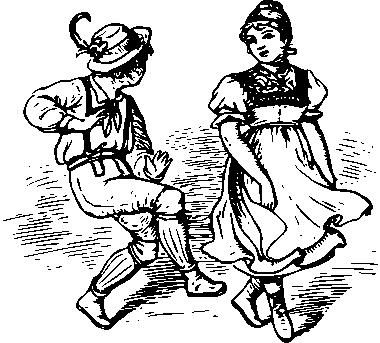
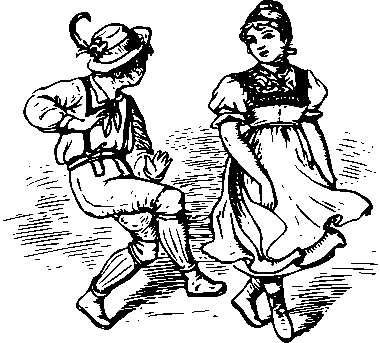
In recent years, the importance of fitness in children and teens has gained widespread recognition. Cultural dance forms provide a unique avenue for kids to enhance their physical fitness while embracing artistic expression. These dance forms, ranging from ballet to hip-hop, help develop coordination, balance, and flexibility, which are crucial for overall fitness. Cultural dance offers more than just movement; it instills discipline and a sense of rhythm that lays a foundation for healthier lifestyles. Engaging in dance promotes cardiovascular health, as it encourages kids to be active in a fun way. Additionally, group dance classes foster social interaction, further enriching the health benefits through community engagement. As kids explore various cultural dances, they become more aware of different traditions and histories, promoting cultural appreciation. Furthermore, dance serves as an excellent alternative to traditional sports, allowing those who may not excel in athletics to experience the joy of movement. Schools and community centers should thus consider integrating cultural dance programs into their fitness curricula to engage diverse groups of children. This integration could lead to lifelong habits of active living and well-being.
Physical Benefits of Cultural Dance
Engaging in cultural dance forms provides numerous physical benefits that are especially advantageous for growing children. Through dance, children work on muscle strength, endurance, and flexibility, while also improving their cardiovascular fitness. These skills are developed through dance routines that often require dynamic movements, including leaps, spins, and turns. The vigorous nature of many cultural dances also aids in weight management; as children enjoy these stimulating activities, they burn calories effectively. Furthermore, dance encourages a holistic approach to fitness by improving core stability and posture. Importantly, cultural dance helps to prevent childhood obesity by encouraging active lifestyles. When children participate in exciting dance forms, they are less likely to engage in sedentary behavior typical of television watching or gaming. Exposure to different cultural dance styles can also enhance coordination and agility, as many dances challenge kids to master complex footwork and body movements. Long-term benefits include increased self-esteem and confidence as they acquire new skills. Hence, parents and educators should advocate for incorporating such classes into their fitness routines, knowing that cultural dance offers an enjoyable method of improving physical health.
Another notable aspect of cultural dance forms is their ability to enhance cognitive development in children. Dance not only stimulates physical movement but also engages the mind through memorization of steps and rhythms. As children learn choreography, they are simultaneously improving their memory, attention, and executive function skills. This mental engagement can lead to better performance in academic subjects as dance exercises a different part of their cognitive abilities. Moreover, many cultural dances require the integration of music and movement, fostering auditory processing skills. This includes recognizing beats, tempo, and rhythm, which can have implications beyond dance into learning instruments or music theory. Participating in group dance routines also develops essential social skills and teamwork, teaching kids how to cooperate and support one another. As they navigate learning dance together, children create friendships that can last a lifetime. Additionally, understanding various cultural backgrounds through dance enhances empathy, a vital social skill. Thus, the cognitive benefits of cultural dance forms are profound, encouraging learning beyond immediate physical fitness and promoting holistic development in kids.
Emotional and Social Benefits of Dance
In addition to physical and cognitive advantages, cultural dance forms significantly contribute to emotional development in kids. Dance acts as a creative outlet, allowing children to express feelings and emotions that they might struggle to articulate verbally. This form of expression is essential for emotional regulation and mental health, especially as children navigate the complexities of growing up. Through dance, they can channel their emotions constructively, reducing stress and anxiety levels. Additionally, participating in group dance classes introduces children to a supportive community, fostering a sense of belonging. This connection to peers is critical, as it promotes social interaction and the development of friendships. Kids often learn from each other in dance class, sharing ideas and creativity, which enhances their social skills. Furthermore, cultural dance performances provide opportunities for kids to experience a sense of achievement, boosting their confidence. Even small accomplishments in learning new steps can make a significant impact on self-esteem. Overall, understanding the emotional and social benefits of cultural dance in fitness is crucial for nurturing well-rounded youth. Programs that emphasize dance should also focus on these aspects for comprehensive development.
Incorporating various cultural dance forms into fitness routines not only aids in physical health but also enhances emotional well-being. The global nature of dance provides a unique opportunity for kids to explore different cultures and traditions. This exploration fosters open-mindedness and adaptability, essential skills in our increasingly interconnected world. When children learn about the historical context of the dances, they gain insights into diverse societies, deepening their cultural appreciation. Moreover, through learning partner dances, they develop negotiation skills and understanding of personal space, further enhancing their emotional intelligence. These experiences in dance classes can extend beyond the studio, influencing how kids interact with others in their daily lives. For instance, children who learn to express themselves through dance may become more confident in public speaking or performing arts, opening doors to various avenues of self-expression. Incorporating performances into dance classes also allows kids to experience public speaking and stage presence in a supportive environment. Thus, cultural dance forms serve as a platform for emotional growth and social capabilities, supporting not just fitness objectives but broader life skills.
The Role of Parents and Educators
Parents and educators play a pivotal role in integrating cultural dance forms into children’s fitness routines. They can foster an appreciation for dance by introducing kids to various styles from an early age. This could involve attending classes, watching performances, or even participating in family dance activities at home. Parents’ involvement sends a strong message to kids about the importance of fitness and cultural awareness. Additionally, educators can collaborate with local dance organizations to offer cultural dance programs that promote inclusivity and accessibility. Schools should aim to provide a diverse range of dance options, ensuring that every child can find a style that resonates with them. Educators are also instrumental in creating a fun and positive learning atmosphere where children feel safe to express themselves. This supportive environment ultimately leads to better engagement and learning outcomes. It is crucial for both parents and educators to recognize the multifaceted benefits of dance, moving beyond fitness alone. By doing so, they can help cultivate a generation of children who are not only physically fit but also culturally aware and emotionally intelligent.
In conclusion, cultural dance forms have a remarkable influence on kids’ fitness and overall development. They provide an engaging way for children and teens to enhance their physical health while fostering emotional and social growth. As children immerse themselves in dance, they develop essential skills that benefit them in various aspects of life. To truly capitalize on these benefits, families and educators must actively promote and encourage participation in dance programs. This responsibility includes creating an environment that embraces cultural diversity and supports the individual journey of each child. The end goal is to foster a future generation that values physical fitness as much as emotional and social well-being. With the integration of cultural dance forms into fitness routines, kids are offered a beautiful blend of tradition, expression, and health. They learn valuable life lessons while enjoying the art of movement, helping them develop the confidence and strength needed to tackle life’s challenges. This holistic approach to kids’ fitness can pave the way for healthier, happier, and more balanced lives as they grow and mature into adults. Therefore, let us champion cultural dance as an essential component of fitness for today’s youth.