
Integrating Circuit Training with Yoga and Pilates
Circuit training, a highly energetic workout, utilizes a series of exercises, performed one after another with minimal rest. It often combines strength training with cardiovascular training, making it incredibly effective for overall fitness. Incorporating circuit training with yoga and Pilates can enhance the overall workout experience while providing numerous benefits. This combination maximizes strength, flexibility, and core stability, ultimately improving one’s overall physical health. Participating in group classes boosts motivation and encourages individuals to push themselves further while receiving guidance from a qualified instructor. Circuit training can be structured to accommodate participants of all fitness levels, thus creating a supportive environment.
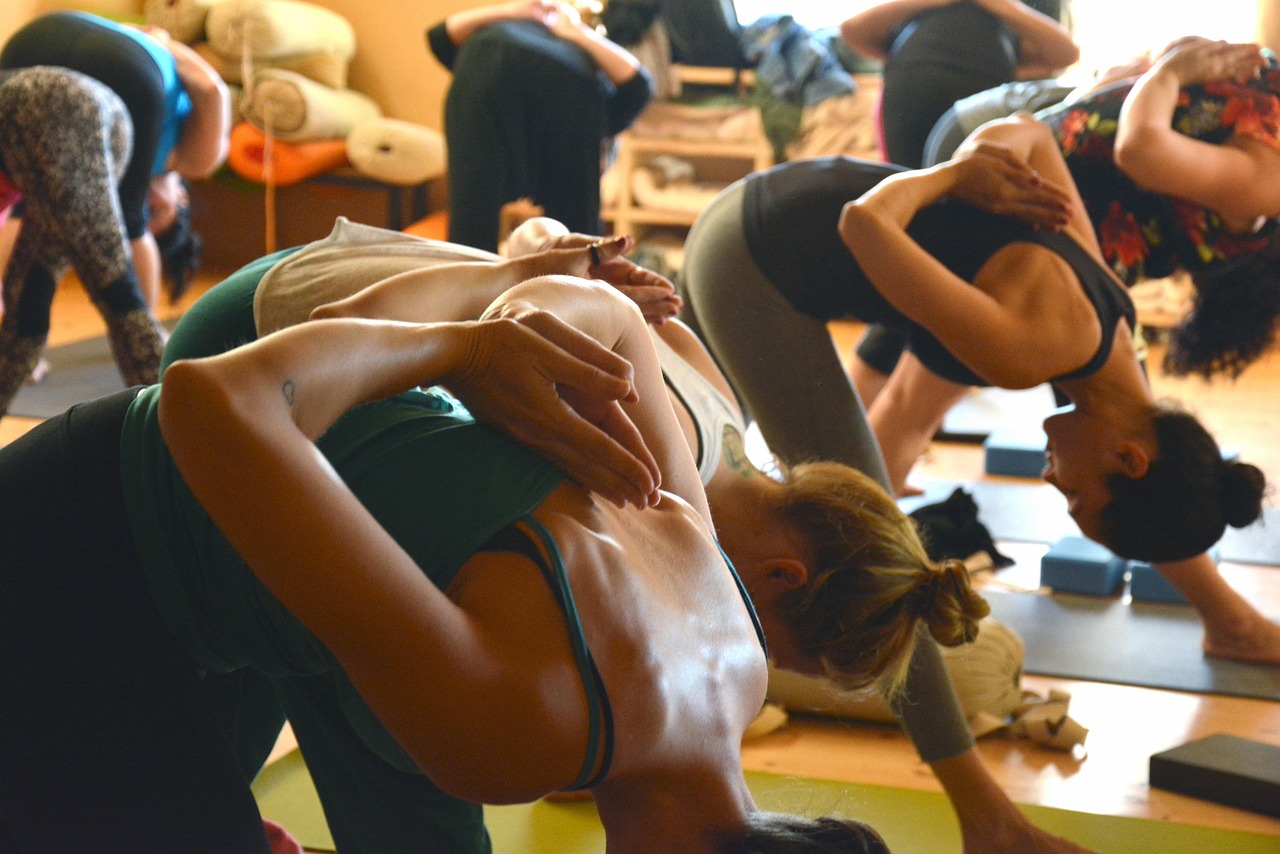
Moreover, the combination of circuit training with yoga and Pilates leads to improved physical and mental well-being. Yoga promotes flexibility and balance, which can complement the strength-building aspects of circuit training. On the other hand, Pilates focuses on core strength, essential for stabilizing the body during circuit workouts. This mixture not only enhances strength but also aids in injury prevention. Practitioners often find that their ability to perform yoga poses improves, thanks to increased strength and stability from circuit training. Additionally, participants experience less muscle soreness following workouts, allowing for more rigorous training sessions.
Benefits of Group Classes
Participating in group fitness classes that integrate circuit training with yoga and Pilates offers many social benefits as well. Individuals often find connection and camaraderie in a group setting, which encourages accountability and motivation. The collective energy in these classes results in a supportive environment that challenges participants to exceed their limits. Building relationships with fellow fitness enthusiasts creates a sense of belonging, enhancing the overall workout experience. Furthermore, this social aspect can lead to improved consistency in attending classes, resulting in better long-term fitness outcomes. The encouragement received from both instructors and peers plays a pivotal role in keeping participants engaged, helping them achieve their fitness goals.
Additionally, integrating circuit training with yoga focuses on breath awareness, which is crucial during workouts. Synchronizing breath with movement allows for more efficient energy utilization and enhances overall workout performance. This practice encourages mindfulness, enabling participants to focus not only on their physical bodies but also on their mental well-being. As individuals engage in circuit exercises, they learn to remain present, improving their overall concentration. This mental aspect, combined with physical strength, promotes a holistic approach to fitness that is essential in achieving long-term wellness goals. Ultimately, aligning breath with movement creates a balanced workout experience.
Tailoring Workouts for Personal Goals
When integrating circuit training with yoga and Pilates, it’s possible to tailor workouts based on individual fitness goals. For those seeking to improve cardiovascular fitness, circuit training can focus on higher-intensity exercises that elevate heart rates while incorporating yoga poses that emphasize breath control. Those aiming for strength may focus on more resistance-oriented circuits, complemented by Pilates exercises emphasizing core engagement. This personalization enables participants to target specific areas of improvement while receiving all the benefits from each discipline. Moreover, instructors often provide various modifications to ensure everyone feels included and can progress safely.
Furthermore, it’s essential to maintain balance within the workout routine. Finding a harmonious blend of circuit workouts, Pilates, and yoga will allow practitioners to maximize the effectiveness of each discipline. It’s also crucial to consider recovery times, as the incorporation of various workout styles can lead to muscle fatigue. Yoga and Pilates provide an excellent option for active recovery days, allowing individuals to engage their muscles without overexerting them. Overall, the synergy between these fitness forms fosters consistent progress while preventing burnout. This balanced approach leads to a sustainable routine that keeps participants motivated and engaged.
Creating a Structured Class Format
When designing group fitness classes that integrate circuit training with yoga and Pilates, structure is essential. Classes may start with a warm-up to enhance mobility, followed by circuit sequences that engage multiple muscle groups. Each circuit could consist of strength-based exercises, such as push-ups and squats, followed by a yoga or Pilates flow to improve flexibility and relaxation. Structured timing helps participants manage rest periods and maintain their heart rates effectively. Ending classes with a cool-down that includes guided stretching or relaxation allows for recovery after an intense workout, ensuring participants leave feeling rejuvenated and accomplished.
Lastly, integrating circuit training with yoga and Pilates in group classes promotes holistic health practices. This blend encourages individuals to focus not only on physical achievements but also on emotional and mental stability. Incorporating meditation or mindfulness practices can further enhance the experience, allowing participants to reflect on their progress and foster gratitude for their bodies. This interdisciplinary approach cultivates well-being beyond the fitness realm, positively affecting various aspects of life. Therefore, the integration of circuit training with yoga and Pilates provides a comprehensive fitness solution to meet the diverse needs of participants, encouraging a healthier and happier lifestyle.