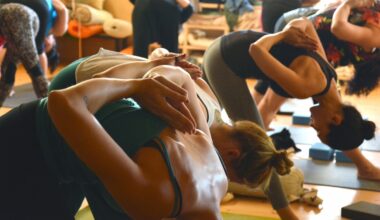

Benefits of Group Strength Training Sessions for Seniors
Group strength training sessions for seniors provide exceptional benefits that enhance physical well-being. Engaging in these sessions fosters a supportive environment where older adults can feel empowered. During training, seniors focus on improving muscle strength, which is essential for maintaining mobility and independence. Strength training not only helps improve balance but also reduces the risk of falls, a significant concern for seniors. Additionally, these sessions encourage social interaction among participants, leading to friendships and a sense of camaraderie. The encouragement from peers and trainers can motivate seniors to push through challenges and achieve personal fitness goals. Each session offers tailored workouts that consider the varying fitness levels of participants, ensuring everyone can progress at their own pace. Additionally, group training can be more enjoyable than solitary workouts, potentially leading to greater adherence to fitness routines. Overall, these sessions contribute to better physical fitness, improved mental health, and a heightened quality of life for seniors, making them an invaluable addition to community wellness programs.
Physical and Mental Health Benefits
Seniors participating in group strength training experience remarkable improvements in both physical and mental health. Engaging in consistent weight-bearing exercises contributes to better bone health, which is crucial in preventing osteoporosis. Stronger muscles also allow seniors to perform daily activities with greater ease. Mentally, exercise plays a vital role in enhancing mood and reducing symptoms of anxiety and depression. Engaging with others during group sessions provides necessary socialization that combats loneliness commonly felt in older age. Many studies show that regular physical activity can stave off cognitive decline, keeping the mind sharp and agile. When seniors engage in group training, they are more likely to remain motivated and consistent with their fitness journey. This accountability fosters a sense of purpose and achievement, leading to positive reinforcement and encouragement. Additionally, learning new exercises can be mentally stimulating and fulfilling for participants. With the guidance of experienced trainers, seniors are assured they are exercising safely and effectively. This aspect of group strength training not only boosts satisfaction but also greatly enhances overall well-being, demonstrating its significance in promoting a healthier lifestyle.
The nutritional aspects of strength training for seniors cannot be overlooked. For optimal results, seniors should complement their exercise routines with balanced diets. Proper nutrition helps fuel workouts and contributes to muscle recovery and growth. Seniors need to focus on protein-rich foods, which play a key role in repairing and building muscle. Incorporating lean meats, legumes, and dairy products can significantly aid in achieving fitness goals. Additionally, staying hydrated is crucial when participating in physical activities to prevent fatigue and maintain performance levels. Proper hydration plays a significant role in managing joint health and mobility. Furthermore, vitamins and minerals are vital for supporting overall health, especially calcium and vitamin D for bone density. Many seniors may benefit from consulting with a healthcare professional or nutritionist, who can provide personalized dietary recommendations. This attention to nutrition not only boosts the efficacy of strength training but also supports general health and well-being. A holistic approach combining strength training and proper eating habits will empower seniors to lead active lives while preventing common age-related issues.
Building Social Connections
One of the often-overlooked advantages of group strength training sessions is the opportunity to build social connections. For seniors, creating and nurturing friendships is essential in combating isolation, which can negatively impact mental health. Group sessions create a sense of community where participants can share experiences, challenges, and successes related to fitness. This social aspect enhances the overall training experience, making workouts feel less like a chore and more like a joy. Additionally, sharing the journey of fitness can encourage seniors to remain committed to their goals. Celebrating each other’s progress fosters mutual support and accountability, further promoting adherence to workout routines. Moreover, having friends in the group to rely on adds an element of fun to the training environment, enhancing motivation and enjoyment. Engaging in conversations before or after workouts can also lead to deeper friendships outside the training sessions, enriching their overall social lives. Interaction during workouts can boost morale and encourage seniors to promote a healthy lifestyle together. As such, viewing group strength training as a social event is beneficial for both physical health and emotional well-being.
Group strength training sessions also provide tailored modifications for senior participants. Each individual has unique fitness levels, and it is paramount that exercises cater to these varying abilities. Skilled trainers in group settings can demonstrate alternative movements, ensuring everyone remains safe while still challenged. This element of customization allows seniors to experience significant gains in strength and confidence, irrespective of their starting point. Ultimately, this individualized approach serves to build a sense of accomplishment. It can be incredibly uplifting for seniors to see their progress over time, such as lifting heavier weights or increasing repetitions. Celebrating milestones is essential for maintaining motivation. Trainers also promote friendly competition, which can drive participants to push further in their workouts. The supportive atmosphere encourages participants to attempt more ambitious goals. It allows seniors to fully engage in their fitness journey, forging a path towards enhanced strength and wellness. Importantly, observing others succeed can inspire members to expand their horizons and discover their potential. Thus, customized modifications during group strength training elevate the overall effectiveness and satisfaction of each session.
Incorporating Fun and Variety
Incorporating variety into strength training sessions for seniors is vital in maintaining enthusiasm and engagement. Traditional workouts can become monotonous with time, leading to decreased motivation. However, group training introduces diverse exercises that target various muscle groups and prevents boredom. Participants can engage in activities like resistance bands, free weights, medicine balls, and bodyweight exercises, which keep the experience fresh and exciting. Trainers can creatively design circuits that shuffle through different movements, ensuring participants perceive each session as a new adventure. Additionally, introducing themed workouts can add an element of fun, encouraging seniors to dress accordingly or embrace specific challenges. Group training can also include enjoyable elements like music and rhythm, creating an inviting atmosphere that encourages participants to keep moving. Having this variation ensures that participants remain engaged, greatly enhancing their long-term adherence to strength training programs. Furthermore, it promotes a positive gym culture, where members can look forward to training days. Ultimately, making workouts lively and diverse enriches the overall fitness experience for seniors. This enjoyable approach serves as a catalyst for personal growth and development, contributing to overall health and well-being.
Finally, participating in group strength training empowers seniors to gain confidence in their abilities. As they continually build strength through consistent training, they also develop a sense of accomplishment. This newfound confidence often transcends physical activities and positively impacts other areas of their lives. Seniors may feel inspired to take on new challenges, whether engaging in community events, traveling, or trying new hobbies. The regular presence of supportive peers and trainers boosts participants’ self-esteem and encourages them to set higher fitness goals. Integral to this process is understanding that change takes time, and patience is crucial. Group training fosters an environment where everyone is encouraged to celebrate small victories, inspiring higher levels of perseverance. Moreover, as seniors witness improvements in health, mobility, and strength, they are more likely to embrace healthier lifestyle changes outside the gym. This empowerment influences daily choices such as meal planning, leisure activities, and social engagements. Thus, the benefits of group strength training extend beyond the gym, impacting seniors’ overall lives. Ultimately, the confidence gained from these sessions enriches their journeys of self-improvement, inspiring a vibrant and fulfilling lifestyle.
Conclusion
In conclusion, group strength training sessions offer a multitude of benefits for seniors, encompassing various aspects of their physical and mental health. These sessions foster a positive, socially engaging environment that encourages individuals to pursue their fitness goals while maintaining safety. As seniors begin to recognize the importance of strength training, they gain valuable insights into the lifestyle changes necessary for their well-being. Participants experience improved muscle strength, mobility, and coordination, enhancing their quality of life. Moreover, the joy of forming friendships contributes significantly to their overall satisfaction and motivation levels. Personalization and variety in workouts ensure seniors feel challenged and empowered. In an age where promoting wellness is a priority, group sessions effectively support holistic approaches that improve senior health. Therefore, seniors are encouraged to partake in these group strength training sessions, enriching their lives and fostering a sense of belonging. Regular participation can lead to long-lasting health improvements, reinforcing the value of such programs in communities worldwide. Ultimately, as physical strength and social connections grow, seniors can embrace a vibrant lifestyle characterized by increased confidence and independence.