
Role of Physical Therapy in Recovery and Prevention of Sports Concussions
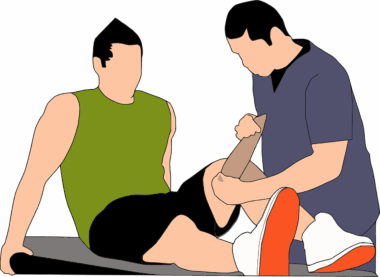
Sports concussions are a significant concern in athletics, affecting athletes of all ages and skill levels. Physical therapy plays a crucial role in both the recovery and prevention of these injuries. The utilization of tailored therapeutic techniques helps athletes regain strength, balance, and coordination after experiencing a concussion. Effective rehabilitation programs help minimize the risk of further injury, ensuring athletes can return to play safely. The importance of education in injury understanding is vital, as educated athletes can recognize symptoms early. This awareness fosters a proactive approach, where athletes learn appropriate responses upon injury occurrence. Additionally, physical therapists employ specific exercises designed to enhance cognitive and physical function. These exercises include vestibular rehabilitation, which aids in addressing balance issues and dizziness. Another focus area is restoring neck strength, which contributes to overall injury prevention. Sports organizations are encouraged to integrate physical therapy resources into their safety protocols. This collaboration can lead to consistent monitoring of athletes’ health, significantly reducing concussion prevalence. As research continues to evolve, physical therapy’s role in sport concussion management remains indispensable, offering athletes a path to recovery while ensuring future safety.
Concussions can have profound long-term effects, making recovery protocols essential. After a concussion, an athlete often experiences symptoms such as headaches, nausea, and fatigue, which can vary in severity. Physical therapists are specifically trained to assess these symptoms and develop an individualized rehabilitation plan. The initial goal is to help the athlete return to normal daily activities without exacerbating symptoms. This process often begins with cognitive rest, gradually reintroducing activities as tolerated. Monitoring an athlete’s response to various activities ensures they do not restart the cycle of symptoms. Importantly, physical therapists focus on gradual progression toward sports-specific movements once the athlete is symptom-free. Functional testing is essential here, assessing strength, balance, and coordination extensively. Once the athlete is cleared, therapists guide them through conditioning and sport-specific drills, which are crucial for safe re-entry into play. This graduated return-to-play protocol is critical, ensuring athletes don’t rush back prematurely. By managing recovery with a focus on proper rehabilitation protocols, physical therapists reduce long-term risks associated with concussions. They provide valuable insights and support throughout the recovery process, fostering confidence in athletes returning to their sport.
Preventive Strategies in Physical Therapy
Along with recovery, physical therapy aims to employ preventive strategies to reduce future concussion risks. One effective approach includes educating athletes about proper techniques in sports that risk traumatic brain injuries. Teaching safe playing techniques not only benefits individual athletes but also spreads awareness throughout their teams. Physical therapists integrate strength and conditioning programs into athletes’ training regimens. These routines focus on enhancing core stability, neck strength, and overall body awareness, minimizing injury susceptibility. Specific exercises designed to strengthen the cervical spine can cushion the head during impacts. Additionally, physical therapy incorporates balance training to improve an athlete’s proprioception, helping them adjust their body effectively during high-speed movements. These preparedness skills significantly lower the chance of sustaining a concussion. Collaboration between coaches and physical therapists is also vital in implementing preventive measures. Regular assessments by physical therapists can help identify any factors that may increase an athlete’s injury risk. This proactive approach supports a culture of safety and responsibility within sports organizations. As programs evolve, so too will the strategies aimed at preventing concussions, relying heavily on the knowledge and expertise of physical therapy.
The collaborative efforts between physical therapists and sports trainers create a comprehensive approach to athlete safety. Trainers often recognize symptoms of concussion early based on their knowledge of physical therapy techniques. This partnership allows for immediate evaluation and intervention, crucial for effective recovery. Physical therapists provide guidance on proper sideline assessments, ensuring that potential concussions are identified swiftly. Once an athlete displays concerning symptoms, both professionals can engage in structured evaluations. It’s critical to ensure an athlete’s well-being before returning to the game. The synergy between these roles also extends to organizing training sessions that emphasize preventative strategies against head injuries. Regular workshops involving both parties can educate athletes about recognizing concussion symptoms. Many leagues now mandate concussion awareness training as part of their safety protocol. This ongoing dialogue enhances the knowledge athletes have regarding their own health. With advances in technology and injury analysis tools, real-time data during practices and games can help both therapists and trainers make informed decisions. These collaborations are fundamental for building a safer sports environment, where every athlete has the tools and support to prevent and recover from concussions.
Research and Future Perspectives
Research in the field of sports medicine continues to advance our understanding of concussions and recovery strategies. Ongoing studies investigate the efficacy of various physical therapy methods in rehabilitation. Some research focuses on cognitive strategies, examining how mental exercises may complement physical recovery programs. The integration of technology, like virtual reality, is becoming a topic of interest as well. Virtual simulations can provide controlled environments for athletes to engage in cognitive rehabilitation after a concussion. These innovations indicate that physical therapy’s role may expand in the future, incorporating diverse methods tailored to athletes’ needs. Additionally, more extensive studies of athlete recovery timelines can offer insights into the long-term effects of concussions. Evaluation of different demographics ensures that therapy programs consider variations in response to treatment based on age, gender, and other factors. Continuous professional development for physical therapists is essential to equip them with the latest evidence-based practices in concussion management. As regulations around sports safety evolve, physical therapy will likely adapt, pushing for new standards of care. These developments guarantee that athletes receive the best possible support in their recovery and in their quest for safe sports participation.
In conclusion, the role of physical therapy in the recovery and prevention of sports concussions is integral. Through a combination of education, individualized rehabilitation programs, and preventive strategies, physical therapists significantly impact athlete health and safety. By emphasizing the importance of strength and conditioning, balance training, and safe playing techniques, they equip athletes with the necessary tools to avoid concussions. The collaborative approach between physical therapists, coaches, and trainers further highlights the need for a unified effort in athlete safety. Such collaborations foster an environment where knowledge and proactive measures are valued. This teamwork ensures that athletes can recognize concussion symptoms early and respond swiftly, reducing the potential for long-term complications. Furthermore, research continues to highlight the evolving landscape of concussion management, paving the way for innovative rehabilitation and prevention techniques. As athletes and organizations prioritize health safety, physical therapy will play a pivotal role in shaping practices aimed at minimizing injuries. Ultimately, improved understanding, continuous education, and evidence-based strategies will empower athletes to compete safely, with greater confidence in their recovery from sports concussions.