
The Science Behind Bodyweight Training Benefits
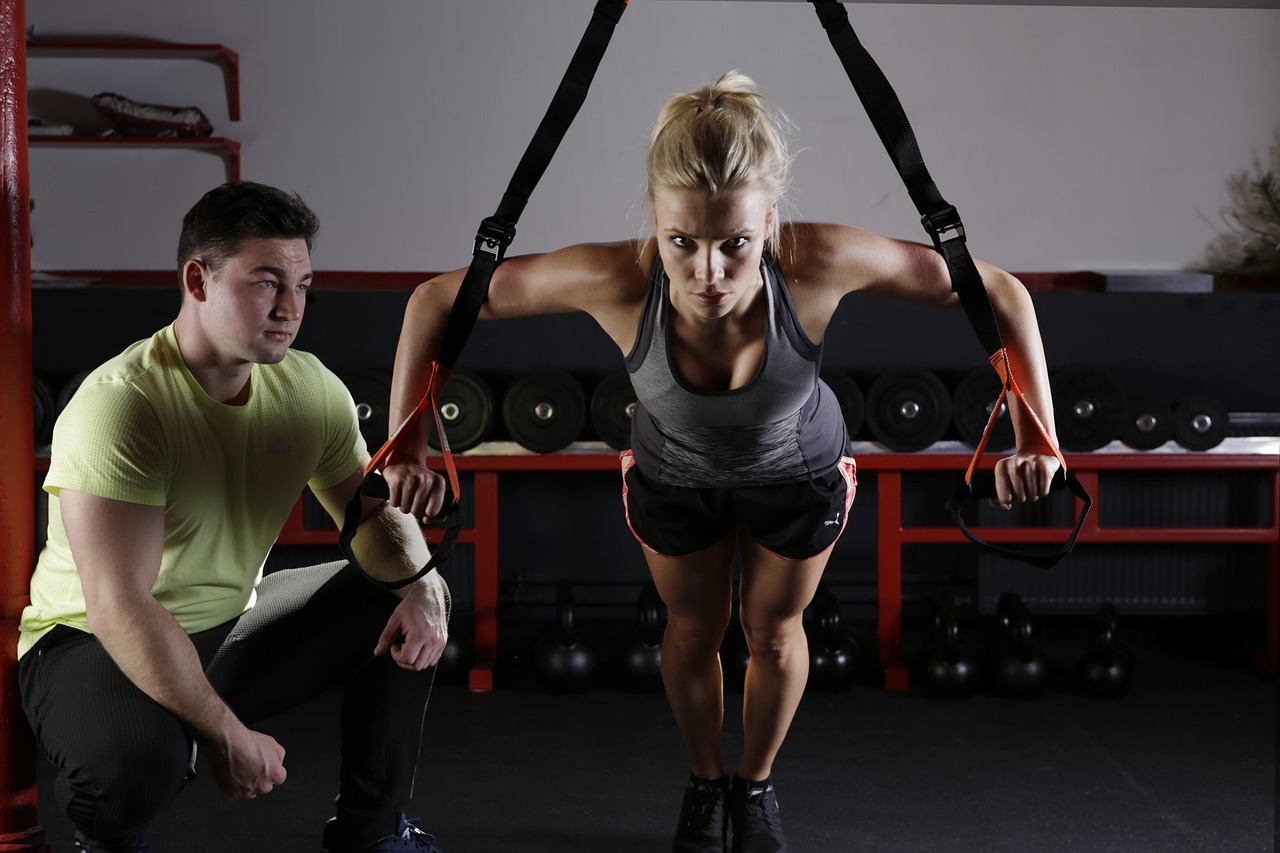
Bodyweight training has gained immense popularity for numerous reasons, primarily due to its accessibility and effectiveness. Unlike traditional weightlifting, which often requires expensive gym equipment, bodyweight exercises can be performed virtually anywhere, making them ideal for individuals with busy schedules. This type of training focuses on utilizing one’s own weight to build strength and endurance, offering an efficient workout. Exercises like push-ups, squats, and planks engage multiple muscle groups, which leads to improved functional fitness. Moreover, bodyweight training enhances core stability and balance, essential components of overall strength. Another significant advantage is injury prevention, as these exercises promote proper movement patterns. By building strength through functional movements, individuals can significantly reduce the risk of injuries during other physical activities. Bodyweight training also stimulates muscular endurance, allowing individuals to perform physical tasks for extended durations without fatigue. This is crucial for athletes and those engaged in sports. Furthermore, bodyweight exercises tend to improve flexibility, as they often incorporate multiple ranges of motion, fostering better joint health. Overall, bodyweight training serves as an invaluable tool for achieving fitness goals, making it a favorable choice among fitness enthusiasts.
Bodyweight training not only enhances physical fitness but also promotes mental well-being. Engaging in regular exercise releases endorphins that improve mood and reduce feelings of anxiety and depression. Research indicates that exercise, especially bodyweight training, can facilitate better sleep patterns, further contributing to emotional stability. When individuals train consistently with bodyweight exercises, they often experience a boost in self-esteem and confidence as they witness their physical progress. The ability to control one’s body during these workouts fosters a sense of empowerment and independence. Bodyweight training encourages growth in body awareness, enabling individuals to better understand their movements and capabilities. This awareness can extend beyond physical performance, influencing daily life activities by promoting mindfulness. Additionally, practicing bodyweight movements can lead to community building, as many find workout partners or join group classes. Engaging with a supportive network of like-minded individuals fosters motivation and accountability while enhancing social interaction. Furthermore, bodyweight training can instill discipline and commitment, attributes beneficial for other areas in life. Establishing a consistent training regimen not only elevates physical health but also nurtures mental resilience and discipline, empowering individuals to tackle various challenges.
The Versatility of Bodyweight Exercises
One of the most remarkable aspects of bodyweight training is its versatility, accommodating all fitness levels. Beginners can start with simplified movements, gradually progressing to more complex variations as they gain strength and confidence. For instance, a novice can begin with knee push-ups before advancing to regular push-ups and eventually to one-arm push-ups. This adaptable nature is effective for personalizing fitness regimens to align with individual goals. Moreover, bodyweight exercises can be easily modified to increase or decrease intensity, catering to various fitness objectives. For example, by adjusting the angle or adding stability challenges, individuals can enhance the difficulty of exercises like planks or lunges. Another notable feature is the ability to combine bodyweight movements for full-body workouts. Circuit-style routines can include different exercises focusing on multiple muscle groups, efficiently maximizing workout time and results. Additionally, bodyweight training can be performed in various environments, from parks to living rooms, without the need for expensive equipment. This level of accessibility makes it an excellent choice for anyone looking to maintain a consistent fitness routine regardless of circumstances. Ultimately, this versatility encourages lifelong fitness habits, enabling diverse training styles to fit lifestyle changes.
Bodyweight training is also recognized for its contribution to improved athletic performance. Many sports require agility, speed, and coordination, which bodyweight exercises naturally enhance by fostering these critical components. Engaging in movements such as burpees or jump squats develops explosive power, beneficial for sports that demand quick bursts of energy. Additionally, athletes who focus on their body weight can develop essential stabilizing muscles, enhancing overall performance metrics. These stabilizers aid in maintaining balance and coordination, essential for activities ranging from running to dancing. Furthermore, bodyweight training emphasizes functional movements that translate directly into sport-specific skills. Athletes frequently experience enhanced endurance levels due to repeated bodyweight routines, which contribute to better overall stamina. Consequently, this improved conditioning reflects in their respective sport, allowing them to perform at higher levels for extended periods. Moreover, bodyweight exercises such as push-ups, pull-ups, and lunges can enhance muscle endurance, essential for prolonged physical engagements. This endurance translates to improved output and efficiency, leading to better performance during competitions. Overall, integrating bodyweight training into athletic programs can yield significant improvements, making it a vital asset in any athlete’s training regimen.
Positive Impact on Mobility and Flexibility
Another profound benefit of bodyweight training is its positive effect on mobility and flexibility. Traditional weight training can often lead to stiffness or rigidity if not complemented by adequate stretching and flexibility work. In contrast, bodyweight exercises often require a variety of movements that promote better range of motion. Exercises such as lunges and hip openers emphasize stretching while simultaneously strengthening muscles, leading to a more functional body. This unique combination allows individuals to improve mobility, which is essential for daily activities and overall quality of life. Enhanced flexibility contributes to a reduced risk of injury, as muscles and joints can withstand various stresses placed upon them during both exercise and regular daily tasks. Additionally, increased mobility can improve posture, essential for reducing strain on the spine during extended periods of sitting or standing. Better posture can lead to enhanced performance in other activities, fostering a healthier lifestyle overall. Furthermore, many bodyweight routines incorporate dynamic stretches, adding a layer of injury prevention. By engaging in movement patterns that emphasize flexibility, individuals can experience greater physical freedom and effectiveness in daily life, reinforcing their commitment to a consistent exercise regimen.
The convenience of bodyweight training significantly contributes to its widespread adoption and success. Individuals can engage in these workouts anywhere without requiring specialized equipment or setups. This flexibility allows people to perform bodyweight exercises in their homes, at parks, or while traveling, ensuring consistent training habits. The absence of a gym membership cost is another attractive aspect. As somebody progresses through bodyweight training, they can reap the same benefits as traditional workout regimens without the financial burden. Furthermore, the minimal equipment needed, such as yoga mats, allows individuals with limited budgets to participate in fitness activities. Moreover, bodyweight training eliminates the intimidation that many experience in gym environments, where heavy weights and various fitness levels can create barriers. By cultivating a comfortable atmosphere for workouts, individuals are more likely to maintain consistent exercise schedules. This ease of access helps establish a routine, making it easier to reap long-term health benefits. Additionally, bodyweight exercises are easily learned through various online platforms, providing countless tutorials and training videos. Embracing digital resources not only enhances accessibility but also accommodates different learning styles, enriching the overall fitness experience.
Conclusion: The Future of Bodyweight Training
In conclusion, bodyweight training presents a myriad of benefits that cater to diverse fitness needs and lifestyles. Its accessibility, versatility, and effectiveness make it an appealing option for individuals at all stages of their fitness journey. The profound positive impacts on mental well-being, mobility, and athletic performance cannot be understated. As society continues to prioritize health and wellness, the importance of bodyweight exercises will likely grow. Flexible training methods that can fit into busy schedules and various environments will become increasingly essential in the future. Additionally, as technology advances, incorporating digital platforms into bodyweight training will likely create even more engaging and personalized experiences. Future innovations may include apps and virtual trainers that provide tailored workouts, motivation, and support to individuals at home or on the go. As more people turn toward holistic approaches to fitness, bodyweight training represents a vital piece of the overall puzzle. Whether for weight loss, muscle gain, or fitness maintenance, bodyweight exercises will remain a crucial element for countless individuals aiming for a healthier lifestyle.
The landscape of fitness is evolving, and bodyweight training’s recognition is only increasing. From its scientific grounding to its extensive practical applications, this form of exercise offers unique opportunities for individuals seeking strength, flexibility, and overall well-being. The future looks promising as bodyweight training continues to impact the fitness industry positively. Aggressively maintaining a focus on evidence-based practices will ensure that individuals gain maximum benefits and improve physical performance in a world increasingly oriented towards bodyweight fitness. As more people transition to this training methodology, we will likely see a continued rise in community engagement surrounding bodyweight exercise activities and events. This focus could spark widespread movements encouraging collective well-being through accessible fitness programs. Ultimately, bodyweight training stands as more than just an exercise modality; it serves as a catalyst for personal growth and empowers people to take control of their fitness journeys. Embracing the benefits of bodyweight training can lead to transformative results, improving both physical health and mental resilience. As awareness of these benefits spreads, we can expect bodyweight training to remain a cornerstone of effective fitness regimes, shaping the future of personal wellness and community fitness.