
Hydration and Pre-Workout Supplements: What Works Best Together?
Hydration plays a critical role in pre-workout nutrition and can significantly enhance your exercise performance. When you’re adequately hydrated, your body can function optimally, allowing for better endurance, strength, and recovery. Many athletes overlook hydration, but understanding its importance is essential for achieving fitness goals. Water is vital, but many may benefit from incorporating electrolyte-rich beverages as well. Consider adding sports drinks or electrolyte supplements to your routine. These products replenish vital minerals lost through sweat. Additionally, they can help maintain fluid balance, contributing to overall performance. Planning your hydration strategy is integral. Aim to start hydrating well before your planned workout, as reaching peak hydration can take time. It’s essential to balance between water and electrolyte intake to avoid over-hydration, which can be counterproductive. As you engage in intense workouts, remember that thirst is often a poor indicator of hydration status, so you should proactively consume fluids. Proper hydration not only enhances performance but can also reduce the risk of injury and dehydration-related issues.
Combining hydration with pre-workout supplements is essential for maximizing your workout effectiveness. Pre-workout supplements typically contain ingredients designed to boost energy, focus, and performance during exercise. Commonly used ingredients include caffeine, B vitamins, amino acids, and creatine. However, ensuring your body is hydrated before your workout is crucial to fully benefit from these supplements. When your body is properly hydrated, all systems can operate efficiently, including those activated by supplements. For instance, caffeine can enhance energy levels, but dehydration may diminish its effects. Additionally, amino acids and creatine require water to effectively aid muscle recovery and energy production. Studies have shown that dehydrated individuals may experience decreased performance, so it’s essential to find the right balance. Some athletes have reported improved workout outcomes by combining their pre-workout hydration with supplements, suggesting synergies between the two. Mixing your supplements with hydrating fluids can ensure that your body absorbs nutrients quickly, optimizing energy production and enhancing workout performance. Remember that drinking water alongside pre-workout substances should never be overlooked.
Timing your hydration along with your pre-workout supplements can significantly affect both your performance and recovery process. A common recommendation is to begin hydration at least two hours before your workout. This helps ensure optimal fluid balance and prepares your body for exercise. If you’re consuming supplements, do this in conjunction with your fluid intake, ideally about 30 minutes prior to exercise. Let’s talk about strategizing your drinking habits. Aim for around 16-20 ounces of water, combined with your pre-workout drink, to ensure peak hydration levels. That stated, be mindful of individual tolerance to supplements; some may experience sensitivity to caffeine or other stimulants. It’s also wise to conduct a trial during your training sessions before applying the same strategy to important events. Much like any aspect of fitness, experimenting with hydration timing can enhance your performance. Remember that consistency is key. Different workouts may require varying hydration levels, so always adjust depending on your workout intensity, duration, and environmental conditions. Personalization should be the goal when determining the ideal pre-workout regimen.
Choosing the Right Hydration Method
When considering hydration options before exercise, it’s crucial to assess the best methods for your workout routine. While plain water is the most straightforward option, many athletes may benefit more from electrolyte beverages. This is particularly true for those engaging in high-intensity workouts lasting longer than an hour, where significant fluid loss will occur. These beverages provide not only hydration but also a quick source of energy through sugars and carbohydrates. They can restore electrolyte levels, crucial for maintaining nerve and muscle function. However, be cautious about the sugar content in these drinks; many possess excessive sugars that can potentially concern athletes. Aiming for low-sugar or naturally sweetened options may diminish these downsides. Homemade electrolyte drinks can provide a fantastic alternative to store-bought options, allowing for full control over ingredients. Various recipes can incorporate fruits like oranges or lemons, along with a pinch of salt for necessary sodium. This method serves to enhance the taste of hydration without the added preservatives or artificial flavors often found in commercial beverages.
Mind your fluid intake during workouts as well. Depending on the intensity and length of the session, specific hydration strategies can be game-changing. For extended training sessions, targeting an intake of 7-10 ounces of fluids every 10-20 minutes is recommended. This can help maintain your hydration levels throughout the workout, thus preventing fatigue and performance dips. It’s also essential to take into account environmental factors such as heat or humidity, which can accelerate fluid loss. Adjust your intake accordingly if you’re exercising in these conditions. Be vigilant in monitoring both urine color and thirst as they may be your best indicators of hydration status. Also, remember that some individuals have varying hydration needs; factors like body weight, sweat rate, and fitness levels all play a role. Another technique is to experiment with various hydration flavors or types during workouts to see which one suits you best. It can be essential to enjoy the taste of what you are drinking to ensure consistency and proper fluid intake, thus contributing to successful workouts.
Hydration Tools and Techniques
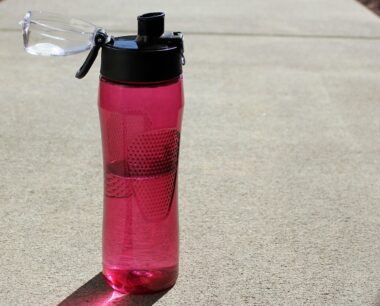
Utilizing effective hydration tools can enhance your pre-workout preparation significantly. A reliable water bottle with marked measurements can assist in tracking your intake throughout the day. Many athletes also find motivational water jugs helpful, ensuring that you stay committed to your hydration goals. In today’s market, various smart water bottles even sync with apps to remind you to drink at intervals, making hydration almost effortless. Furthermore, various hydration packs for longer workouts or training sessions can provide handheld convenience while ensuring your fluids are readily available. These hydration aids help maintain focus, keeping your performance at its peak. Another essential aspect to consider is the temperature of your hydration choices; many individuals perform better when consuming cold drinks, as they are often more refreshing. However, be mindful of personal preferences, as some may prefer warm or room-temperature drinks. Creating a pre-workout hydration checklist can also be beneficial, laying out all necessary beverages while ensuring you don’t overlook nutrition or hydration. That extra layer of organization can push your performance to new heights.
Finally, don’t underestimate the importance of post-workout hydration. After an intense session, replenishing fluids is critical for recovery. Consider having a hydration strategy immediately after your workout to help with muscle repair and mitigate fatigue. Just like pre-exercise hydration, it’s vital to restore your fluid and electrolyte balance. Depending on workout duration and intensity, you may need anywhere from 16 to 24 ounces of fluids for optimal recovery. Research indicates that consuming fluids within an hour post-exercise can significantly improve recovery outcomes. Pairing water consumption with protein-rich snacks can further support muscle recovery and repair. Moreover, adding some simple carbohydrates can help replenish glycogen stores after intense training. Monitoring your recovery hydration is just as vital as your pre-workout hydration strategy. Everyday hydration naturally aids recovery processes and keeps muscles primed and ready for upcoming workouts. Remember, achieving a balanced routine of proper hydration can help you excel and continually improve! Proper hydration is a critical component in any successful workout journey.
To summarize, integrating effective hydration practices in conjunction with pre-workout supplements ensures that you’re performing at your best. Fluid balance plays a pivotal role in energy levels, stamina, and recovery time throughout any workout regimen. Understanding your hydration needs can greatly transform your performance outcomes. Experimenting with both pre-workout hydration and supplement timings can help you discover which combinations work best for your body’s individual needs. Whether you opt for electrolyte drinks, plain water, or both, achieving peak hydration will ultimately optimize your overall experience. Periodic evaluations of both hydration and supplement dosages can ensure continuous improvement in your regimen. Don’t forget to adapt based on changes in exercise intensity or environmental conditions, adjusting as needed to maintain that ideal hydration state. Pursuing the right strategies can significantly reduce the risk of dehydration and fatigue. Always aim for progress, and don’t shy away from refining your approach to hydration for optimal results. By prioritizing hydration effectively, you set the stage for consistent improvements in performance and a more enjoyable workout experience in the long term.