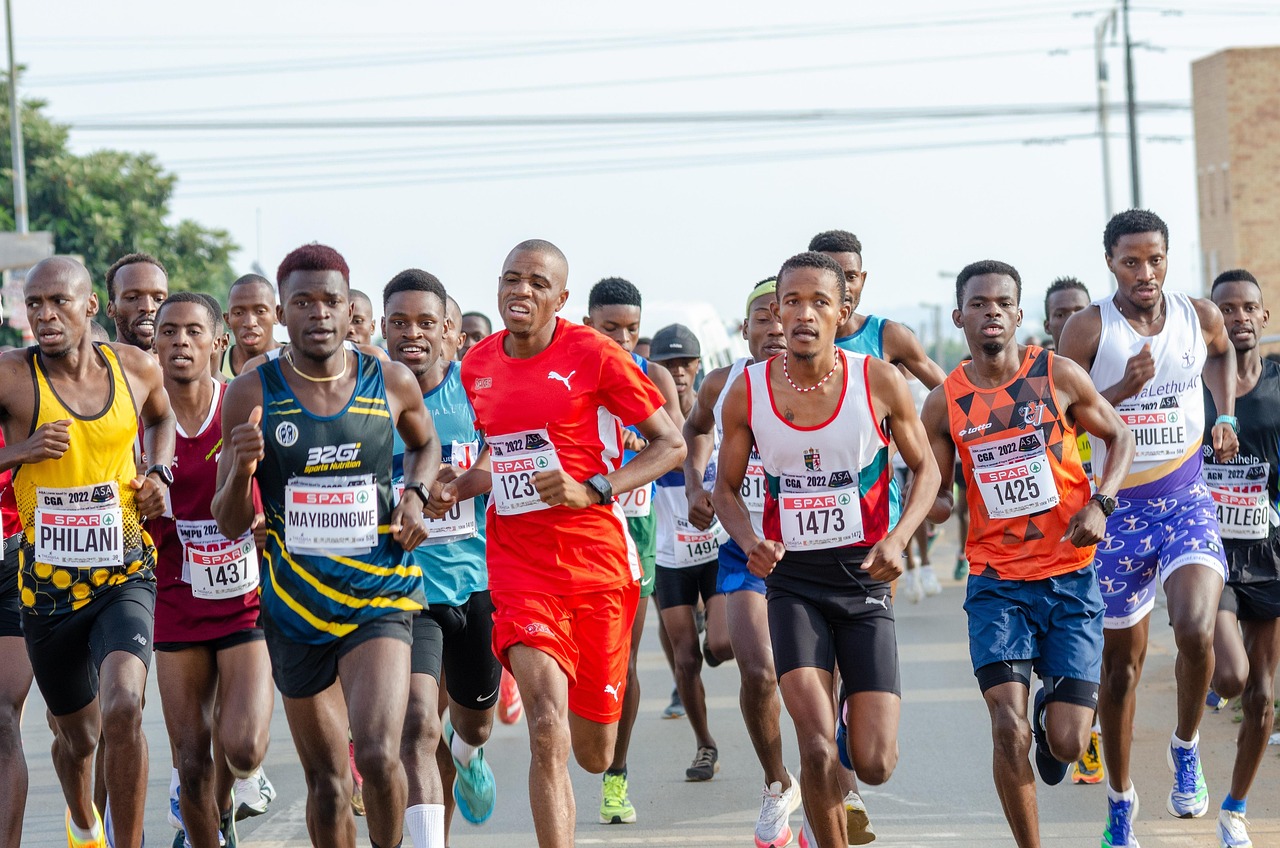

The Science Behind Fat Utilization in Long Run Training
Understanding the physiological processes behind fat utilization during long run training is crucial for marathon runners. When engaging in long-duration efforts, the body primarily relies on fat as a fuel source. This shift from carbohydrates to fat occurs as glycogen stores deplete. Proper training can enhance fat oxidation, providing runners with additional endurance. Aerobic training increases mitochondrial density, allowing for more efficient fat breakdown. This efficiency helps in preserving glycogen stores, which are vital for maintaining energy throughout the run. Additionally, trained individuals can utilize a greater percentage of fat at higher intensities. This capability is advantageous during races, where managing energy intake is essential. Consuming a low carbohydrate diet can also improve fat utilization during prolonged exercise, although it’s crucial to balance dietary needs. Runners must consider their training intensity, duration, and nutrition to optimize fat oxidation. Understanding this science assists athletes in preparing for the demands of marathon training effectively. This knowledge shapes training plans and guidelines for marathoners aiming to improve their performance sustainably. Utilizing fat as fuel can be a game changer in long-distance running, leading to breakthrough performances.
One essential factor influencing fat utilization is the intensity of exercise. During low-intensity activities, the body primarily uses fat for energy. As training intensifies, carbohydrate metabolism takes precedence since it is more efficient for immediate energy needs. Here’s how different intensities impact fat usage: Low intensity (60-70% of VO2 max) predominantly burns fat; Moderate intensity (70-80% of VO2 max) uses both fat and carbohydrates; High intensity (over 80% of VO2 max) relies heavily on carbs. Adjusting training to include various intensity levels encourages the body to adapt and improve its efficiency at using fat. Employing zone training during long runs can maximize fat oxidation rates. For instance, training in the optimal fat-burning zone enhances the ability to mobilize and oxidize fatty acids. Interval training can also contribute to improved fat metabolism, leading to performance benefits during marathons. To enhance these processes, runners should focus on proper nutrition and hydration strategies. Incorporating longer runs at a moderate pace allows one to adapt to fat utilization over time. Adapting these strategies realizes the full potential of fat metabolism and fuels long runs, leading to improvements in endurance.
The Role of Nutrition in Fat Utilization
Nutrition is vital in maximizing fat utilization during long runs. Consuming the right balance of macronutrients impacts energy levels significantly, especially in marathon training. A diet rich in healthy fats can enhance the body’s ability to oxidize fat efficiently. This includes foods like avocados, nuts, seeds, and oily fish, which provide essential fatty acids. Also, a proper intake of carbohydrates is necessary. Runners should consider timing their carbohydrate intake around training sessions. Consuming carbs before and after runs replenishes glycogen stores, facilitating recovery while maintaining optimal performance. Hydration cannot be overlooked, as adequate fluid intake plays a role in metabolism. Electrolytes can assist in maintaining performance during extended exercise. Studies suggest that a personalized nutrition plan tailored to an athlete’s specific needs results in better performance outcomes. Additionally, experimenting with different nutritional strategies during training can help runners identify what works best for their bodies. Assessing individual responses to various dietary approaches is essential. This ensures that runners maximize their fat utilization capabilities effectively. Combining nutrition and training strategies increases the likelihood of achieving long-term running goals.
Long run days play a crucial role in adapting the body for marathon challenges. These sessions build physiological endurance and provide practical opportunities for testing nutrition strategies. Runners should incorporate long runs gradually, starting with shorter distances during training build-up. This practice allows the body to adapt to extended periods of exercise effectively. As runners increase mileage, they can assess energy levels and recovery processes, identifying the optimal fat utilization strategies that work for them. During these long sessions, practicing fueling tactics is essential – knowing when and where to introduce carbohydrates can be beneficial. Striking the right balance between fueling and achieving a correct intensity helps optimize fat utilization. It fosters the adaptation required for marathon endurance while minimizing fatigue. Many runners opt for various energy gels or chews during their long runs to experiment with what best suits their needs. Tracking performance metrics like heart rate and pace is necessary to understand how body fuelling impacts performance. Incorporating variety in long run routes also benefits psychological aspects, as it keeps training exciting. Understanding and implementing these strategies during long runs prepares runners for racing conditions and maintaining optimal energy levels.
Utilizing Supplements for Enhanced Performance
Supplements may play a supportive role in enhancing fat utilization and performance during long runs. Transitioning from carbohydrates to fat as a fuel source can be supplemented effectively, with fat-based fuel options emerging in the sports nutrition market. Medium-chain triglycerides (MCTs) have gained popularity for their capacity to be rapidly absorbed, providing quick energy. Other supplements such as L-carnitine, which supports the transport of fatty acids into mitochondria, may also boost metabolic efficiency. This, combined with a balanced nutritional strategy, can increase fat oxidation during prolonged exercise. However, individual responses to these supplements vary; thus, testing them out during training is crucial. Monitoring any changes in performance helps runners determine the efficacy of these products. Additionally, attention should be given to ensuring overall diet quality remains high; supplements should not replace whole food sources. Balancing nutrients along with using supplements can maximize energy use for endurance activities. Consultation with a nutritionist or dietitian may provide personalized recommendations. Developing a comprehensive plan combining supplementation, nutrition, and training allows runners to harness the full potential of their fat utilization capabilities effectively.
Monitoring progress is essential for adapting training and nutrition strategies effectively. Running journals or apps can track runs, nutrition, and body responses, helping to identify trends in fat utilization performance. Regular assessments of energy, mood, and recovery can determine whether one’s current dietary and training rhythms support enhancements in long run performance. Understanding how the body responds to different fuels during training is an evolving process. Recognizing patterns can afford opportunities for adjustment and optimization over time. As marathon training progresses, adapting based on observations can lead to sustainable improvements. This fluid approach fosters a deeper connection with one’s body and its needs, enhancing overall fitness. Additionally, maintaining communication with coaches or fellow runners regarding challenges during training can provide insights and suggestions. They may offer valuable advice based on similar experiences and suggest effective adaptations. Moreover, setting specific goals related to fat utilization efficiency can help motivate runners throughout their training program. This motivation is crucial in marathon preparation, ensuring that adaptations continue effectively. This reflects a long-term commitment to mastering long run strategies and solidifying one’s position as a competitive marathon athlete.
Conclusion: Integrating Fat Utilization Strategies
In conclusion, integrating effective fat utilization strategies into long-running training is fundamental for marathon success. Runners must balance the interplay of exercise intensity, nutrition, and supplements to achieve their endurance goals. Emphasizing low-intensity training, combined with a well-structured nutritional approach, fosters enhanced fat oxidation. This methodology not only conserves glycogen but promotes sustained energy levels throughout the marathon. Regular assessment and monitoring enable runners to adapt their strategies and discover personalized solutions that support their unique needs. Fostering the understanding of one’s body and its reactions to fuel helps in maximizing training efficiency and performance outcomes. It’s crucial to remember that each runner’s journey is unique; therefore, what works for one may not work for another. Engaging in continued education regarding nutrition, training science, and physiological responses empowers runners to make informed choices. Individuals should encourage community engagement for sharing personal experiences and building support networks. Ultimately, marrying science with practical application regarding fat utilization leads to breakthroughs in long-distance running success, paving the way for remarkable marathon finishes.