
Smart Rehabilitation Wearables: Tracking Muscle Recovery and Strength
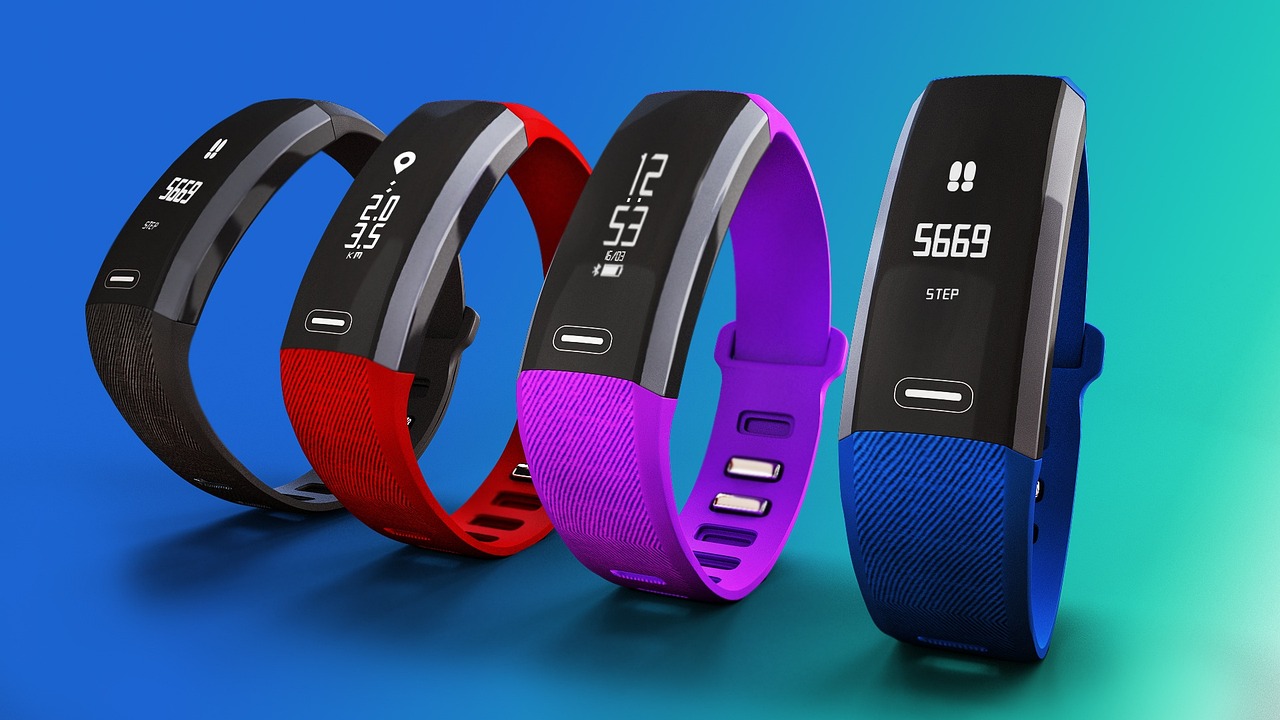
Smart rehabilitation wearables have emerged as innovative tools to assist individuals in tracking their muscle recovery and overall strength. These devices utilize advanced technology, including sensors and data analytics, to monitor various aspects of physical health. In rehabilitation settings, these wearables are instrumental in ensuring that patients engage in appropriate exercises tailored to their recovery needs. By providing real-time feedback, these gadgets help users understand their progress and adjust their training regimens accordingly. Moreover, smart rehabilitation wearables often integrate with mobile applications, enabling users to log their performance metrics seamlessly. This integration allows therapists and trainers to collaborate effectively by sharing information on the patient’s progress. Many smart wearables also include features for tracking vital signs, offering a comprehensive picture of an individual’s recovery journey. The design of these devices prioritizes comfort, ensuring that users can wear them for extended periods without discomfort. This is crucial for patients undergoing rehabilitation after injuries or surgeries. As technology continues to evolve, the functionality and efficacy of smart rehabilitation wearables are expected to improve, leading to better health outcomes. Patients and health professionals alike are finding these tools invaluable in their recovery endeavors.
In addition to muscle recovery tracking, smart rehabilitation wearables offer an extensive array of features to enhance the rehabilitation experience. For instance, many devices utilize motion sensors and accelerometers to analyze how patients move during exercises. This allows for customized feedback that can help correct form and prevent further injuries. Furthermore, visuals displayed on the wearables provide instant performance metrics, motivating users to push their limits safely. Many devices also utilize biofeedback mechanisms, which can help users feel what proper muscle engagement feels like, significantly aiding their training. Additionally, some gadgets incorporate gamification elements to encourage adherence to rehabilitation protocols. This makes the recovery process engaging, especially for younger patients. Users can even set personal goals within their apps and track achievements over time, significantly boosting motivation and compliance. These advancements are paramount, as they foster a sense of accountability among patients. Coaches and therapists can monitor progress remotely, making timely adjustments to rehabilitation programs. The integration with digital technologies assures better monitoring of progress, a crucial component in successful rehabilitation. With the landscape for rehabilitation rapidly changing, individuals can look forward to smarter, more efficient ways to regain strength and mobility.
Benefits of Smart Rehabilitation Wearables
One of the key benefits of smart rehabilitation wearables is their ability to provide personalized data, enabling tailored rehabilitation programs for each individual. Patients can feel more engaged and committed to their recovery when their rehabilitation is customized to their specific needs. This personalized approach also contributes to less frustration and greater satisfaction during the rehabilitation process. The data collected can help healthcare providers adjust exercise plans based on progress, ensuring effectiveness and efficiency. Furthermore, consistent monitoring helps identify any setbacks early, allowing for immediate intervention and adjustments. These wearables have also shown promise in reducing muscle atrophy, especially in patients after surgery, by encouraging movement at an optimal level. The collection of real-time data provides insights that traditional rehabilitation methods often miss. By using advanced analytics, wearables can highlight trends in performance over time, aiding both patients and therapists in decision-making. User engagement with their recovery process tends to improve with these insights, as they can visualize their improvements more tangibly. Smart rehabilitation wearables establish a direct line of communication between the patient and healthcare provider, fostering a collaborative approach toward recovery.
Another significant advantage of smart rehabilitation devices is their ability to collect extensive data over prolonged periods. This continuous monitoring creates a comprehensive history of a patient’s recovery, which can be instrumental in assessing long-term outcomes. Many wearables allow for cloud storage of health data, enabling healthcare providers to access it when needed. This accumulation of information can provide insights into patterns of recovery, helping to predict outcomes and refine clinical practices. Notably, analytics derived from this data can also aid in research, helping to establish best practices in rehabilitation protocols. Furthermore, features such as alerts and reminders can enhance user adherence to prescribed therapy schedules. With constant reminders to perform exercises or adjust their activity levels, patients feel supported in their recovery journey. This consistency can yield better results than traditional check-in methods. Additionally, the access to a shared data pool means that different healthcare providers can work collaboratively, ensuring well-rounded care. Over time, this creates a more effective continuum of rehabilitation, maximizing the probability of achieving desired health outcomes. Using smart wearables leads to a shift in how rehabilitation is perceived and conducted, making it more data-driven.
Future Trends in Rehabilitation Technology
The future of rehabilitation technology looks promising, with smart wearables poised to become even more advanced in functionality and integration. Innovations such as AI and cloud computing are on the verge of revolutionizing how these devices operate. AI can enhance analytical capabilities, offering deeper insights into patient data, which can inform tailored rehabilitation protocols. As technology advances, wearables are likely to incorporate more sophisticated sensors capable of monitoring a wider range of physiological indicators. Alongside this, the devices may blend seamlessly with virtual reality (VR) and augmented reality (AR) tools, making rehabilitation even more immersive and engaging. This could lead to an evolution in therapeutic practices, incorporating interactive solutions that might make rehabilitation feel less like a chore. The incorporation of health technologies into everyday items, like shoes or clothing, is also a tangible trend pushing the market forward. These innovations promise to increase the accessibility of rehabilitation devices to broader populations. Furthermore, a growing focus on user-friendly design will ensure that these wearables appeal to a larger audience, including those less tech-savvy. With cost reduction and increased functionality, the future is bright for rehabilitation technology.
Moreover, the increase in telehealth services has demonstrated the relevance of smart rehabilitation wearables in today’s healthcare ecosystem. As patients become increasingly accustomed to remote consultations and digital health solutions, the demand for connected rehabilitation devices is surging. This is particularly salient in light of recent events, such as the global pandemic, which forced many healthcare systems to reevaluate how care is delivered. Smart wearables enable ongoing monitoring of patient health, allowing therapists to provide timely interventions from afar. This promotes a sense of safety among patients, knowing they can receive support without frequent clinic visits. Additionally, the synchronization of wearables with telehealth platforms will facilitate more dynamic and active involvement of healthcare providers in the rehabilitation process. These devices empower users with more autonomy over their recovery paths while still ensuring oversight by professionals. This hybrid model of rehabilitation, leveraging technology and human interaction, can yield better health outcomes. The convergence of digital platforms with wearables represents a significant shift in patient engagement. As technology advances, we can expect even greater synergy between wearables and telehealth solutions in supporting effective rehabilitation.
Considerations for Choosing Smart Wearables
When considering the integration of smart rehabilitation wearables, individuals must evaluate various factors to ensure optimal choice. First, understanding the user’s specific rehabilitation needs and objectives is crucial. Different devices offer tailored features suited for distinct rehabilitation scenarios. For instance, certain wearables are designed specifically for sports injuries, while others may focus on post-operative recovery. Additionally, the accuracy of the sensors embedded in the wearables is pivotal; high-quality devices provide meaningful and reliable data. Users should also assess the battery life and comfort level of the wearables, as longer-lasting and comfortable devices promote consistent use. Furthermore, ensuring that the wearable is compatible with mobile applications and easily integrates into existing health tracking systems can maximize its utility. The cost of these devices should also be a consideration; with numerous options available, budgeting effectively will aid selection without compromising quality. Lastly, users should look for devices that have positive reviews and proven success in rehabilitation. Reading testimonials and checking research studies on specific wearables can help guide decision-making. Ultimately, selecting the right smart rehabilitation wearable involves careful consideration of individual needs, device features, and long-term usability.
As the landscape of rehabilitation evolves with technology, smart rehabilitation wearables are set to redefine patient recovery journeys profoundly. They offer an unprecedented level of personalization and insight into recovery, ultimately fostering better health outcomes. The smart rehabilitation devices contemporarily available engage patients in their recovery processes significantly, which is a critical component for success. The insights gathered from real-time data not only benefit individual users but also contribute to the broader discourse on rehabilitation methodologies. As research supporting the efficacy of these wearables continues to grow, it is plausible that rehabilitation practices will increasingly adopt such technologies as standard care. The evolution of smart wearables opens pathways not only for better recovery but also for improved overall health management. They enable proactive engagement in one’s health journey, emphasizing preventive care. The potential applications for these devices extend beyond traditional rehabilitation, insinuating enhancements in fitness and wellness domains. As they integrate seamlessly into daily life, users can leverage smart wearables to maintain health and prevent injuries. Ultimately, smart rehabilitation wearables represent a transformative step in healthcare, marrying technology with personalized medicine to empower patients in their recovery processes.