
Cooking with Low-Carb Alternatives: Essential Ingredients to Keep On Hand
When exploring low-carb alternatives, one must consider the foundational ingredients that will revolutionize meals. First up is almond flour, a popular choice among those on ketogenic diets. Its fine texture mimics wheat flour, making it perfect for baked goods. Next, consider coconut flour, a high-fiber alternative that absorbs moisture efficiently, which is essential for binding ingredients. For those seeking a low-carb sweetener, erythritol is an excellent option—it’s natural and calorie-free. Another fantastic sweetener is stevia, derived from a plant and much sweeter than sugar, requiring smaller amounts. Also, always have nutritional yeast on hand; it adds a cheesy flavor to dishes while being rich in B vitamins. Don’t forget about cauliflowers since they can be transformed into rice, pizza crusts, or mashed potatoes. Finally, keep a variety of seeds, such as flaxseeds and chia seeds, which provide healthy fats and can be used as egg substitutes in recipes. These ingredients are not just alternatives; they are essential components in a low-carb kitchen, offering versatility while supporting a healthy dietary lifestyle.
A key aspect of low-carb cooking is understanding how to make delicious meals without traditional carbohydrates. One ingredient that stands out is zucchini. This versatile vegetable can be spiralized into noodles, providing a fantastic substitute for pasta. It’s low in calories yet high in nutrients, which keeps meals healthy and satisfying. Another worthy addition is spaghetti squash; once cooked, it transforms into spaghetti-like strands, offering a fulfilling texture. Don’t overlook the power of eggs; they’re not only rich in protein but also very low in carbs. Eggs can serve various functions, from breakfast staples to critical ingredients in baking, providing structure and richness. Additionally, avocados are a true superfood in the low-carb world, delivering healthy fats and fiber. They enhance flavors and textures while complementing many dishes. Lastly, keep fresh herbs and spices accessible, as they can elevate your meals without adding calories. Incorporating these ingredients can drastically reduce carbohydrate intake while still allowing you to enjoy scrumptious meals, ensuring you stay on track with your low-carb lifestyle.
Essential Dairy Alternatives
While dairy products are often staples in many kitchens, those on low-carb diets will find some alternatives essential for cooking. Start with full-fat yogurt; it offers a creamy texture and works well in dressings or smoothies. Opt for Greek yogurt, as it is thicker and higher in protein. When aiming to reduce carbs, unsweetened almond milk is a fantastic substitute for cow’s milk, low in calories, and works great in baking. Coconut milk, especially in a thick canned form, is another excellent alternative that adds richness to soups and desserts. Cream cheese can also come in handy, perfect for sauces or cheesecakes, delivering a creamy texture. Ghee, or clarified butter, is fantastic for cooking at high temperatures and brings a rich flavor to your dishes. Additionally, cheese can still be enjoyed; however, choose varieties like mozzarella or cheddar in moderation due to their carb content. These dairy alternatives not only provide flavor and texture but also maintain a low-carb lifestyle, allowing for delicious and satisfying meals without the guilt.
Another critical ingredient category comprises low-carb vegetables. Cauliflower is a superstar, offering a multitude of uses, from rice alternatives to creamy soups. Broccoli serves as a fantastic side dish or main meal base, packed with nutrients and fiber while remaining low in carbs. Leafy greens like spinach, kale, and arugula are essential, as they add bulk to salads and wraps, contributing necessary vitamins and minerals. Bell peppers not only add color to your meals but provide a satisfying crunch and can be stuffed or roasted, further diversifying your recipe options. Mushroom varieties, such as portobello and shiitake, deliver umami flavors, making them fantastic meat substitutes. Incorporating these vegetables can keep your meals interesting and flavorful while adhering to low-carb principles. Cruciferous vegetables are also excellent choices, as they are satisfying and promote health. By utilizing these low-carb vegetables in your meals, you can create a colorful and nutritional plate that upholds the essence of a low-carb lifestyle while ensuring you enjoy the cooking process.
Spices and Flavorings to Enhance Dishes
Cooking low-carb meals doesn’t mean sacrificing flavor; instead, it invites you to explore a range of spices and flavorings that can enhance every dish. Start with garlic powder and onion powder—these create rich foundations for many recipes. Cayenne pepper can add heat and depth, making poultry or vegetable dishes pop with excitement. Don’t forget smoked paprika; its subtle sweetness and smokiness can entirely transform your meals. Herbs like basil, oregano, and thyme are crucial for Italian-inspired dishes, contributing fresh scents and vivid flavors. Fresh ginger and turmeric can uplift Asian cuisines, ideal for low-carb stir-fries. Coconut aminos serve as an excellent soy sauce alternative, providing umami without the carbs. Another noteworthy option is sesame oil, which imparts a nutty flavor and works perfectly in dressings. With these spices and flavorings in your pantry, you can elevate your low-carb meals with minimal ingredients, ensuring they remain enticing and delicious. This strategy will aid culinary creativity while offering flavors that keep your taste buds satisfied throughout your low-carb journey.
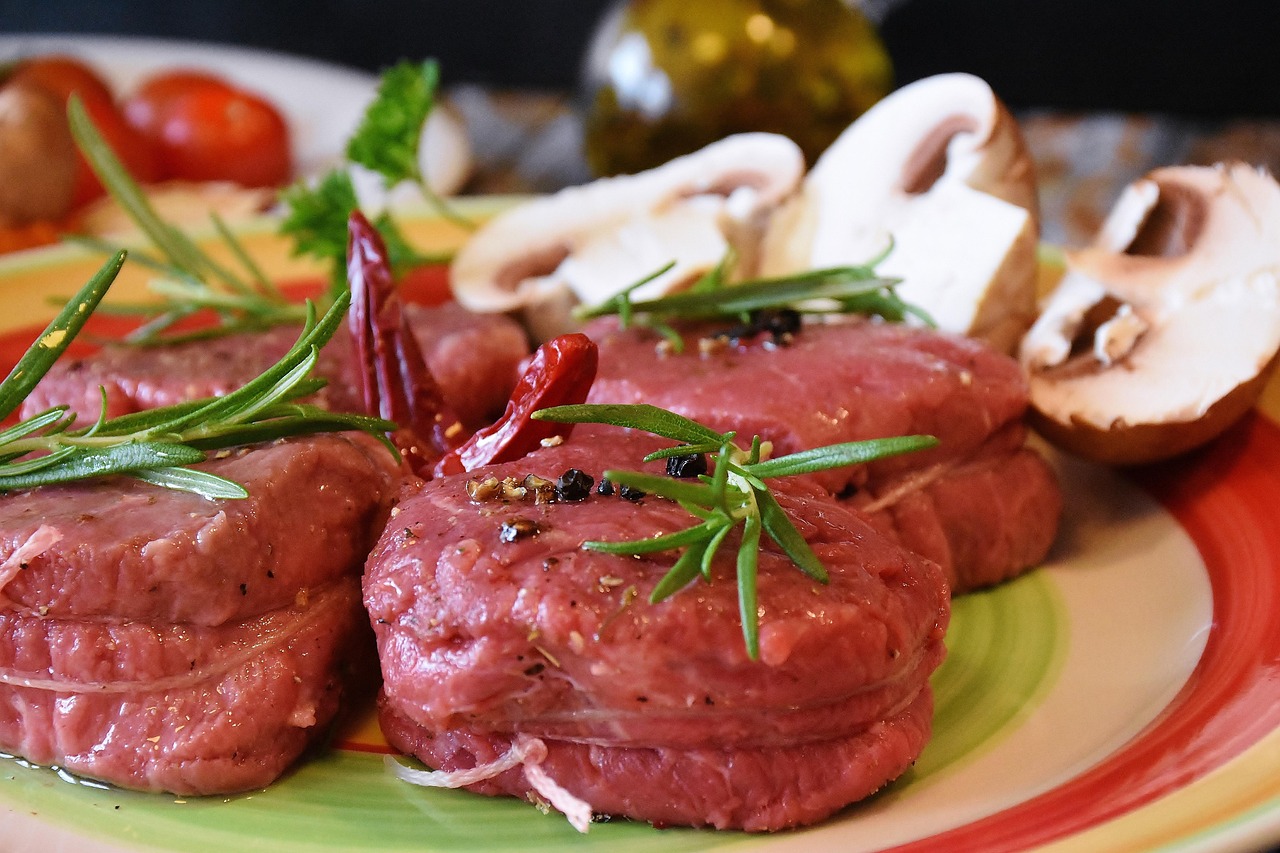
While maintaining a low-carb lifestyle, it’s also crucial to explore different protein sources. Start with meats; options such as chicken, beef, and pork are naturally low in carbohydrates. Grass-fed options provide better nutrients and flavors than conventionally raised animals. Fish and seafood, like salmon and shrimp, are also excellent choices for their omega-3 fatty acids and proteins. Incorporating cage-free eggs adds nutritional diversity, making breakfast options limitless. Plant-based proteins like tofu and tempeh can serve as alternatives for vegetarians, providing substantial protein content while low in carbs. Don’t forget legumes like lentils and chickpeas; while slightly higher in carbs, consuming them in moderation can complement a balanced diet. Additionally, protein powder can supplement your intake if necessary—opt for low-carb whey or plant-based proteins. The goal is to ensure that you have access to diverse protein sources that align with your low-carb approach, allowing you to create varied and fulfilling dishes that delight your palate while ensuring balanced nutrition. These options will supply the necessary building blocks for your meals.
Preparing Simple Low-Carb Meals
Cooking with low-carb alternatives opens a world of possibilities, particularly through simple recipes. One of the most accessible methods is to create hearty salads loaded with your favorite proteins and low-carb veggies. Start with a base of mixed greens, adding proteins like grilled chicken or hard-boiled eggs. Incorporate healthy fats, such as avocado or olives, while dressing with olive oil or vinegar. Stir-fry is another quick yet flavorful option; use a range of low-carb veggies like bell peppers, zucchini, and broccoli tossed with your protein of choice, seasoned with your favorite spices. Casseroles are optimal for meal prep, often combining meats, cheeses, and veggies baked together for a fulfilling dish. Cauliflower rice stir-fry can easily substitute traditional fried rice, using cauliflower rice, peas, and shrimp cooked in a skillet. For quick bites, simply roll deli meats around cream cheese or avocado slices for a tasty low-carb snack. In producing low-carb meals, your creativity blossoms while maintaining healthy eating habits, ensuring that nutritious meals don’t have to be tedious or boring.
As you explore the world of low-carb cooking, keep track of these essential ingredients and how they function. Knowing how almond flour reacts compared to coconut flour can make a significant difference in baked goods. Understanding the difference in taste and texture will elevate your cooking experience. Likewise, knowing the unique flavors of spices can help you construct dishes that leave a lasting impression. Recognizing the importance of quality oils is essential; they enhance flavor profiles significantly. Tracking carb counts in different vegetables and proteins is necessary to maintain your diet effectively. Keeping a journal of what meals worked best will help streamline your approach while keeping your options diverse. This knowledge can enrich your culinary adventures, allowing for continuous improvement while adhering to your low-carb goals. These essentials form the backbone of a successful low-carb kitchen, providing structure while allowing room for innovation. By thoughtfully incorporating these ingredients and approaches, you will find that cooking low-carb alternatives can become enjoyable and fulfilling over time.