
Weekly PPL Schedule for Beginners: Plan Your Success
If you are new to weightlifting and considering a Push-Pull-Legs (PPL) program, you are in the right place. The PPL workout splits your weekly routine into three categories: push exercises, which focus on chest, shoulders, and triceps; pull exercises, pulling from the back and biceps; and legs, covering everything from quads to calves. This structure helps balance muscle development while providing ample recovery time. Each workout could be divided throughout the week, giving you flexibility. Typically, many beginners opt for three to six days per week, depending on their commitment levels. This schedule provides an excellent roadmap for your fitness journey. Additionally, make sure you maintain good form in order to maximize results. Compound movements should be prominent, like bench presses or squats, supplemented by isolation movements. Remember, consistency is the key factor in any successful fitness plan. Schedule your workouts, stay committed, and watch your strength grow over time. So let’s lay out a sample weekly plan that can cater to your needs.
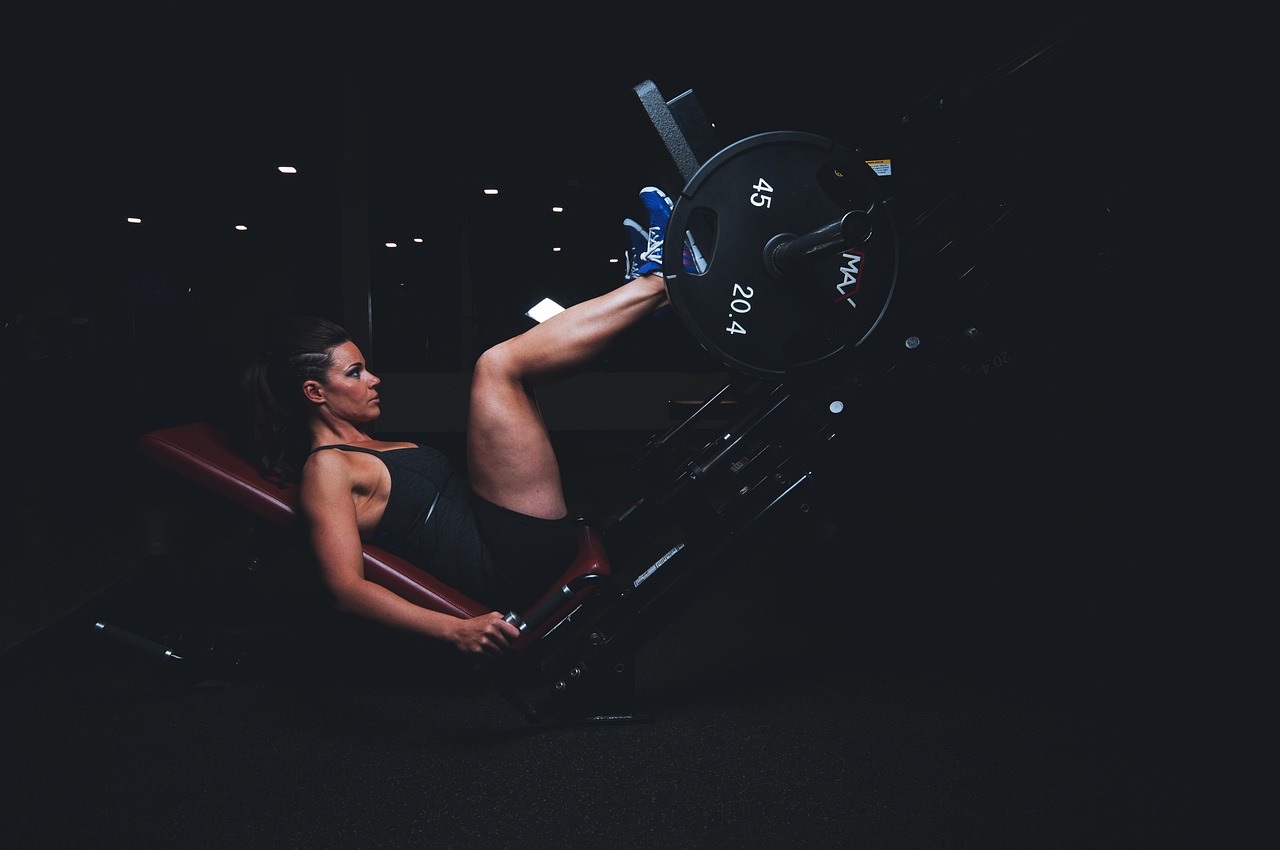
To begin your PPL journey effectively, creating a detailed weekly schedule is essential. In your first week, you might choose to start with a simple schedule: on Monday, focus on push workouts like bench press, overhead press, and tricep dips. For your pull day on Wednesday, include exercises like bent-over rows and lat pull-downs. Finally, on Friday, dedicate your time to lower body workouts, engaging in squats, leg presses, and deadlifts. Day two could be a rest day or include some cardio to enhance recovery. A sample week might look like this:
- Monday: Push – Chest and Triceps
- Wednesday: Pull – Back and Biceps
- Friday: Legs – Quadriceps and Hamstrings
It’s crucial to not overload yourself initially, focusing on proper technique rather than maximum weight. Additionally, consider incorporating some stretching or mobility work on your rest days to aid recovery. This balanced approach allows for muscle growth while minimizing injury risks. Begin tracking your progress, and don’t hesitate to make adjustments as necessary based on your individual response.
Week Two: Building on Your Foundation
As you transition into the second week of your PPL workout, small modifications can make a big difference. For instance, begin to increase weights gradually while ensuring good form. Many beginners often experience rapid gains in strength at the start, making it an ideal time to push yourself. Make each workout engaging by introducing variations of classic exercises. Instead of the traditional bench press, consider switching to incline or decline presses. This small tweak can activate different muscle fibers, contributing to balanced muscle growth. One should ideally aim for 8 to 12 repetitions for hypertrophy, ensuring each set is challenging yet attainable. Recording your workouts, including reps and sets, will help you identify patterns and adapt your training regime over time. If they find themselves plateauing, adjusting volume or intensity can spark new growth. Additionally, be sure to include a proper warm-up before each session, which can significantly reduce the risk of injury. Nutrition plays a crucial role too; ensure you’re consuming enough protein and healthy carbs to fuel your workouts. Overall, consistency remains paramount.
Nutrition is equally important during your PPL training. A balanced diet will provide your body with the necessary fuel to recover and strengthen. Each workout should be complemented with sufficient protein to repair muscle fibers. You can consider foods like chicken, turkey, fish, and plant-based proteins to integrate into your meals. Focus on getting a variety of nutrients, including healthy fats and a range of carbohydrates, promoting muscle recovery and energy replenishment. Furthermore, hydration should not be overlooked. Aim to drink plenty of water throughout the day, especially before, during, and after your workouts. Post-workout nutrition is crucial for recovery; consuming protein and carbs can help to minimize muscle soreness and accelerate recovery time. Try to eat a balanced meal or snack within two hours after your workouts. This could include options like a protein smoothie or a turkey sandwich. Planning your meals in advance can prevent unwanted cravings and make your nutrition journey smoother. A healthy plate leads to a successful gym journey.
Progress Checks and Adjustments
Every four to six weeks, it’s essential to check your progress. This could include reassessing your weights, repetitions, or even your entire routine. By tracking your gains, you can understand what works effectively for your body. If improvement stagnates, do not hesitate to modify your program. This may involve altering exercise selection or varying the sets and reps to enhance stimulation to your muscles. For instance, you can increase the number of sets for a particular workout or incorporate supersets or drop sets for intensity. Periodization is also a strategy worth considering, structuring your routine to include phases of different training volumes and intensities. Do not forget to listen to your body; if you experience fatigue or soreness, taking a deload week every eight weeks may be beneficial. Integrating more rest days or reducing volume can rejuvenate your strength. Adapting your program solidifies your development, thus fostering long-term success. Over time, celebrate your achievements, whether large or small.
In addition to tracking physical changes, consider the mental aspect of your PPL training. Staying motivated can be challenging; hence, setting achievable goals is vital. Perhaps you want to increase your bench press poundage or complete a certain number of pull-ups. Use these targets for motivation and accountability throughout your workouts. Having a training partner or joining group sessions can enhance the experience. Fellow gym goers often provide encouragement, making workouts more enjoyable. Moreover, supplement your physical workouts with other activities you love, such as swimming, cycling, or hiking. Incorporating variety prevents boredom, enhances overall fitness, and can fuel your motivation. Be sure that recovery techniques, too, don’t become overlooked. Proper sleep, along with techniques such as foam rolling or active recovery sessions, can enhance overall performance. Breathwork and meditation can also offer additional focus and discipline. Balancing training, recovery, and mental health can create a sustainable fitness lifestyle. Always remember to celebrate progress and remain patient with yourself as you embark on your fitness journey.
Stay Committed and Find Success
Lastly, staying committed to your planned PPL schedule will significantly boost your chances of success. The key to achieving your fitness goals lies in your capacity to remain consistent over time. Create a vision board or write down your fitness objectives, serving as daily reminders of why you started and what you’re working for. Utilize mobile apps to keep track of your workout schedules and progress as well. Join online communities or forums focused on PPL routines; this can increase accountability. Surrounding yourself with like-minded individuals fosters an environment of motivation and encouragement. Remember to have fun in your journey. Experiment with new exercises or challenges that excite you; fueling passion is necessary for long-term success. Moreover, evaluating your approach regularly can yield new insights, benefiting your overall fitness. Stay true to your journey, whether your change is gradual or rapid; both paths lead to profound transformation. Embrace the challenges, enjoy victories, and cherish every moment of this empowering journey to cultivate a healthy lifestyle. The culmination of effort and dedication will yield results.
In conclusion, the Weekly PPL Schedule for Beginners presents a fantastic opportunity to structure your workouts for optimal results. Remain committed to your plans, track your progress, and enjoy the process. Remember, fitness journeys are not always straightforward; give yourself grace during setbacks or challenges. Adjust as needed, and prioritize both physical and mental health through proper nutrition and recovery strategies. PPL offers flexibility and adaptability for all beginners; utilize these principles to build a strong foundation. As you unlock each strength milestone, remember to celebrate every accomplishment, regardless of size. Maintain curiosity in refining skills, as this can elevate overall development. Explore variations, engage new tricks, and constantly expand outside your comfort zone. By embracing a PPL routine, you invest in your health and well-being. Commit to lifelong fitness for the best rewards. Utilize the community around your journey, connecting with others who share similar ambitions and experiences. Make it a collective endeavor by creating camaraderie in the gym or participating in classes. Your fitness journey is not just about individual success but also about inspiring others. Now, turn your knowledge into action and make every workout count!