
How AI is Revolutionizing Personal Fitness Training
Artificial Intelligence (AI) is transforming the landscape of personal fitness training. With the rise of digital tools and resources, trainers and enthusiasts can leverage AI technology to enhance performance and provide tailored experiences. AI systems analyze vast datasets, creating a more personalized fitness journey for each user. By examining previous performance data, AI can give recommendations focusing on individual goals. Whether it’s weight loss, muscle gain, or improving high-intensity intervals, AI understands user preferences. It helps in tracking progress over time, ensuring motivated challenges arise. This capability is vital for achieving long-term success. Moreover, by using wearable technology that continuously collects biometric data, AI empowers both trainers and clients with insights that define training adjustments based on real-time feedback. This not only maximizes efficiency but also minimizes downtime, keeping workouts engaging. With many applications like AI-powered workout apps and smart gym equipment emerging, enthusiasts are witnessing a new level of accessibility and customization in fitness. AI is no longer a futuristic concept; it’s firmly embedded in current practices, defining how we train, compete, and achieve personal fitness milestones.
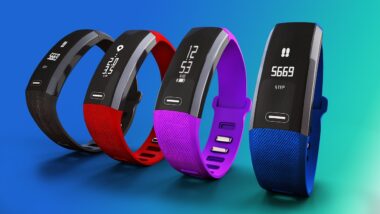
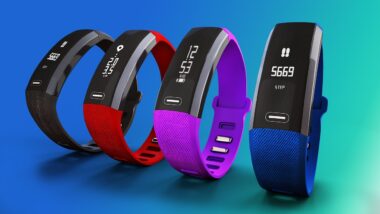
Integrating AI into fitness brings various tools that effectively optimize workouts. Smart fitness devices monitor heart rates, calorie expenditure, and overall movement patterns to generate insights that were previously inconceivable. These devices often provide audio-visual feedback based on attained metrics, enabling users to adjust their routines instantly. For instance, apps like Freeletics use AI to create custom workout plans based on user feedback and progress. AI algorithms adapt plans to push users towards their limitations safely. Furthermore, virtual fitness assistants are emerging, capable of engaging users through voice commands while performing exercises. This level of interaction enhances motivation, egalitarian approachability, and shared accountability in achieving fitness goals. It’s noteworthy that AI technology fosters community-building among users. Many platforms now offer social features, linking individuals with similar fitness goals, thus promoting competitive spirit and camaraderie. This digital community aspect augments the overall experience and success of the users. As tech innovations continue, the partnership between fitness and AI will evolve and expand, leading to even more personalized and efficient training systems.
The Role of Data Analysis
Data analysis serves as the foundation upon which AI-driven fitness technologies operate. By compiling and analyzing historical data related to workouts, nutrition, and health indicators, these systems offer comprehensive insights into athletic performance. With extensive analytical capabilities, AI can identify patterns and trends that highlight user strengths and weaknesses. This actionable knowledge enables fitness trainers to devise targeted exercise regimes. For example, data revealed might suggest an increase in aerobic exercises for improved cardiovascular fitness, while pinpointing the need for strength training sessions to enhance muscle endurance. Furthermore, this continuous cycle of gathering and analyzing data helps users understand how their bodies respond to various stimuli. By fine-tuning activities based on feedback received, users can optimize their training results. Algorithms now predict injuries before they become problematic, allowing preventative measures to take place. This proactive approach marks a significant breakthrough in personal fitness maintenance. As the demand for fitness efficiency rises, the convergence of AI and data analytics will be crucial for delivering personalized training to diverse populations in various contexts.
AI influences group fitness sessions as well, enriching social aspects and motivating participation. Virtual coaches or group challenges utilize AI algorithms to build engaging activities that cater to all fitness levels. For instance, AI can analyze group dynamic data, optimizing classes to ensure inclusivity and effectiveness. Automated scheduling and progress tracking result from data aggregation, allowing users to view their collective achievements and paving the way for friendly competition amongst participants. These group dynamics create a sense of belonging and commitment, encouraging sustained workouts that might falter in solitary training programs. AI also powers gamified fitness experiences, integrating point systems, achievements, and fun challenges that enhance workout enjoyment. As users strive to achieve personal bests and earn recognition, the emphasis on collective experience boosts motivation. Fitness challenges can become events where users strive not just for individual success but to rank highly amongst peers. This social aspect merges entertainment with workout intensity, leveraging AI technology to maximize enjoyment while maintaining engagement. Thus, AI undeniably shapes the future of entrepreneurship in the fitness industry, transforming how trainers organize and execute timely sessions.
The Future of Fitness Tech
Looking ahead, it’s clear AI will continue to redefine personal fitness training. Innovations seem boundless, with emerging technologies promising unprecedented customization and convenience. As AI integrates seamlessly into daily routines, users will interact with their fitness journeys like never before. Virtual fitness coaches and assistants will become increasingly sophisticated, capable of delivering personalized insights while considering unique lifestyle factors such as sleep patterns and stress levels. With the omnipresence of smart technology in wearable devices, workouts will be continuously tracked, allowing algorithms to fine-tune plans in real time. Remote coaching opportunities will flourish, expanding fitness access beyond traditional gym settings. For those unable to attend physical locations, AI-powered online coaching platforms will bridge that gap. Additionally, as more industries adopt AI solutions, expect affiliate partnerships with health professionals, ensuring holistic approaches to well-being. Nutrition guidance and meal planning will converge with structured workouts, providing a full spectrum of personal fitness management. As a result, users will achieve comprehensive wellness through a cutting-edge ecosystem designed for optimal health and transformative success. Ultimately, the future blends human motivation and AI efficiency, spearheading extraordinary fitness journeys across all demographics.
As AI technology advances, ethical concerns surrounding data privacy and user consent emerge. With the collection of sensitive biometric data, potential risks arise concerning how information is handled, secured, and stored. Personal privacy must be prioritized as fitness apps continue incorporating AI features; organizations and developers must navigate these challenges responsibly. Transparency in data usage policies will empower users to make informed choices about their fitness lives. Trust plays a critical role in fostering user engagement; therefore, ensuring stringent security measures and rigorous protections is vital. Additionally, as individuals become more aware of hacking threats, they are likely to scrutinize the data policies of platforms. Fitness technology must distinguish between useful data insights and invasiveness into personal lives. This ethical concern facilitates dialogue between developers and users, setting industry standards to ensure accountability. Companies demonstrating commitment to safeguarding user information will undoubtedly differentiate themselves in a crowded marketplace. To successfully capture an audience, transparency, integrity, and authenticity must permeate AI fitness solutions, nurturing a healthier dialogue about priorities in utilization and safety while sustaining motivation for personal training.
Conclusion
In conclusion, the synergy between artificial intelligence and personal fitness training marks a transformative era for enthusiasts and professionals alike. By personalizing experiences, monitoring performance, enhancing community engagement, and emphasizing data analysis, the landscape evolves rapidly. The ultimate drive towards improved individual outcomes is underpinned by the commitment to user satisfaction and results, demystifying fitness complexities. As technology advances, the integration of AI tools appeals to a broad array of individuals, molding tailored experiences that suit various preferences, lifestyles, and fitness aspirations. Furthermore, addressing ethical considerations directly associated with user data sets the stage for future sustainable fitness models. The overall transformation challenges traditional methods and demands adaptation within the personal training industry. Engaging deeply with this innovative technology ensures a robust and resilient future for personal fitness training. From smart wearables to virtual coaching, AI-driven advancements guide users toward their health goals while elevating overall experience. Those who embrace this evolution will find themselves part of a revolutionary movement, fostering lifelong fitness journeys profoundly enhanced by the power of artificial intelligence.
As fitness technology continues to grow, enthusiasts eagerly anticipate breakthroughs that AI will bring, solidifying its essential role in personal training methods. Together, we’ll shape the future of fitness through innovation and shared knowledge.