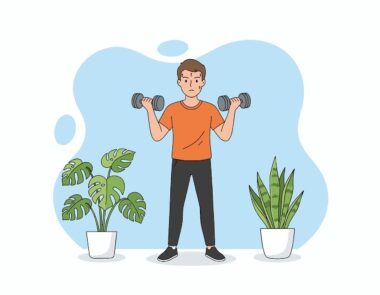
Balancing Hormones Through Fitness for Men Over 40
As men age, particularly after reaching forty, hormone levels begin to fluctuate and decline. This can have significant effects on body composition, mood, and overall health. Regular physical activity can effectively mitigate these changes, supporting hormonal balance. Engagement in meaningful workouts contributes to testosterone production, which directly influences muscle mass and energy levels. Incorporating strength training is essential. Ideally, men over forty should resist weight training at least twice a week to stimulate hormone production. Cardio workouts are also beneficial, as they support cardiovascular health and help maintain balanced hormone levels. Both aerobic and anaerobic exercises play crucial roles in boosting metabolism and facilitating weight management. Additionally, incorporating flexibility exercises, like yoga, can aid in stress relief while enhancing hormone balance through improved mental health. To optimize results, attention should also be placed on nutrition. A balanced diet rich in proteins, healthy fats, and fiber nourishes muscles and regulates insulin levels. The synergy between exercise and nutrition is critical in maintaining hormone levels and overall fitness as men age. Lastly, consistency is key; creating a workout routine that fits personal schedules leads to long-term benefits in hormonal health and general fitness.
The Importance of Strength Training
Strength training becomes increasingly important as men transition into their forties and beyond. Consistent resistance training not only builds muscle but significantly influences hormonal balance. Testosterone, the primary male hormone, plays a crucial role in muscle maintenance and overall energy. Declining testosterone levels often result in fatigue and decreased motivation. Regularly engaging in resistance workouts such as weightlifting or bodyweight exercises can counter these effects by promoting testosterone production. Furthermore, strength training should focus on compound movements that engage multiple muscle groups. Exercises like squats, deadlifts, and bench presses stimulate greater hormonal responses. These workouts also improve bone density, which becomes a significant concern as men age. Combining strength exercises with adequate rest and recovery is essential for muscle repair and growth. A well-structured strength program typically includes progressively heavier weights, ensuring that the body is continually challenged. Additionally, integrating functional fitness movements that mimic daily activities enhances general health and functionality. Men over forty should aim for at least two to three strength training sessions weekly. Ultimately, when combined with cardio and good nutrition, strength training safeguards against age-related hormonal decline and contributes towards overall wellness.
Cardiovascular exercise undoubtedly plays a pivotal role in maintaining hormonal balance, especially for men over forty. Cardio keeps the heart healthy, boosts metabolism, and aids in weight management, all essential for managing hormone levels. Regular aerobic activities, such as running, swimming, or cycling, enhance endurance and cardiovascular fitness, leading to better overall health. This is important as increased cardiovascular health correlates with balanced insulin and cortisol levels—two hormones critical in managing stress and energy. It’s advisable to incorporate at least 150 minutes of moderate-intensity aerobic activity per week. Breaking this down, men can perform 30 minutes of heart-racing activities on most days. HIIT, or High-Intensity Interval Training, serves as a time-efficient alternative that can produce significant results in shorter time spans. HIIT can enhance metabolic rates while promoting fat loss without the need for lengthy workout sessions. Finding enjoyable forms of cardio is crucial; whether through sports, fitness classes, or outdoor activities, enjoyment fosters adherence. Integrating cardio into weekly routines alongside resistance training provides a well-rounded approach to achieving optimal hormonal balance—key in ensuring vitality and wellness as men transition through mid-life.
Nutrition plays an essential role in maintaining hormone balance, particularly for men over forty. As physical activity levels might decline with age, nutrient needs become increasingly important for overall health and fitness. A diet rich in whole foods, lean proteins, healthy fats, and an array of colorful vegetables is paramount. Healthy fats, notably those found in avocados, nuts, and olive oil, support testosterone production and hormone regulation. Protein intake is also critical; it not only aids muscle recovery but helps maintain optimal hormone levels. Goals should include lean protein sources such as chicken, fish, and legumes. Moreover, fiber-rich foods such as whole grains, fruits, and vegetables aid in managing insulin and reducing estrogen levels. It is equally important to limit processed foods and sugars that can cause hormonal imbalances. Hydration is often overlooked; sufficient water intake supports all bodily functions, including hormone transport and metabolism. Supplements may also be beneficial, particularly Vitamin D and omega-3 fatty acids, but they should not replace balanced meals. Empowering oneself with nutritional knowledge fosters better food choices leading to lasting wellness as one ages. Ultimately, combining sound nutrition with an exercise regimen is pivotal for men’s hormonal health.
While engaging in regular physical activities is vital for maintaining hormonal balance, integrating mindfulness practices is equally important. As stress levels can severely impact hormone production, managing stress through mindfulness techniques can be a game-changer, particularly for men over forty. Regular practices such as meditation, deep-breathing exercises, or yoga can help mitigate the adverse effects of stress. They foster a state of relaxation that counteracts heightened cortisol levels, often referred to as ‘the stress hormone’. Elevated cortisol can lead to various health complications, including weight gain and metabolic issues. Finding time to incorporate these practices into daily routines can drastically improve one’s mental health and, consequently, hormonal health. Mindfulness promotes self-awareness and regulates emotional responses, leading to better lifestyle choices around nutrition and exercise. Consider scheduling 10-15 minutes each day for mindfulness training or yoga sessions to align the mind and body effectively. Utilizing such techniques not only improves mental acuity but also aids in regenerating focus on fitness goals. Including a holistic approach incorporating mental well-being can enhance resilience against stressors, fostering an environment conducive to healthy aging both physically and mentally.
Sleep quality is a critical yet often neglected factor influencing hormonal health in men over forty. As men age, disruptions in sleep patterns may manifest, affecting hormone regulation, particularly testosterone. Poor sleep can lead to fatigue, irritability, and impaired cognitive function—all signs of hormonal imbalance. Aim for 7-9 hours of restorative sleep nightly to promote optimal hormonal functionality. Establishing a consistent sleep routine enhances the body’s circadian rhythm, which plays a significant role in hormone release. Creating a restful sleeping environment, without distractions such as screens and bright lights, aids in achieving deeper sleep cycles. Furthermore, lifestyle choices such as limiting caffeine and alcohol intake before bed can significantly improve sleep quality. Regular physical activity can also promote better sleep; however, it’s advisable to avoid vigorous workouts close to bedtime. Instead, consider light stretching or relaxation exercises before sleep. Finally, if sleep problems persist or worsen, consulting a healthcare professional can provide insights into potential underlying issues. All in all, prioritizing sleep hygiene complements physical exercise and nutrition, forming a comprehensive approach to achieving hormonal balance that supports overall health and wellness.
In conclusion, the intersection of fitness and hormone health is pivotal for men over forty seeking balanced well-being. Each dietary choice, workout session, and mindfulness practice contributes to a foundation of hormonal health essential for a fulfilling life. Engaging in regular strength training, cardiovascular exercise, and focusing on nutrition collectively enhance testosterone levels while regulating insulin and cortisol. It’s equally important not to overlook the psychological and emotional aspects; mindfulness and quality sleep cultivate a holistic approach that supports hormone production and overall health. Creating achievable, enjoyable fitness routines increases adherence and motivates long-term commitment to health endeavors. Moreover, balancing stresses through mindfulness practices and improving sleep hygiene directly influence hormone levels positively. Seeking support from health professionals can further tailor fitness and dietary plans suited to individual needs, ensuring safe and effective practices. As men navigate through their forties and beyond, understanding the intricate relationship between fitness and hormonal dynamics serves as a practical roadmap to vitality. Embracing these holistic strategies not only champions longevity but empowers men to thrive while aging—ultimately creating a lifestyle marked by vigor, health, and resilience.