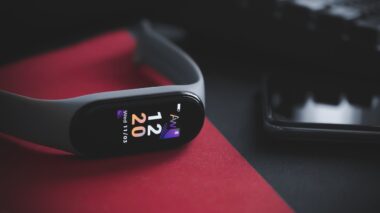

Gamification in Fitness Tracking to Boost Motivation
In today’s world, fitness tracking plays an important role in helping people maintain a healthier lifestyle. However, merely tracking data isn’t enough for everyone; motivation is required to ensure consistent progress. This is where gamification comes into play, injecting fun and excitement into fitness tracking. By applying game mechanics to fitness tracking systems, users can stay engaged and motivated to achieve their health goals. The allure of rewards, challenges, and friendly competition can significantly enhance the user experience, making workouts less daunting. Moreover, gamified fitness platforms offer personalized challenges tailored to individual capabilities and preferences, ensuring adaptability for users with different goals. As a result, individuals can find their workouts enjoyable while also tracking their progress more effectively. Furthermore, social sharing features enable users to share their accomplishments with friends and earn recognition, further reinforcing motivation. In addition, fitness apps that incorporate gamification utilize elements like point systems and virtual rewards to maintain user interest. This strategy is particularly effective for those who may struggle with traditional workout routines and seek a more dynamic approach.
Fitness tracking now comes with a variety of unique gamification features. These can boost motivation in multiple ways through challenges, levels, and rewards that users can attain. One of the most popular aspects involves setting personal goals through competitive challenges with friends or community members. This fosters a competitive spirit, allowing users to both challenge personal limits and inspire one another. Achievements unlocked within the app can serve as tangible rewards; for instance, completing a specific number of workout sessions might grant a virtual medal or a discount on fitness gear. Another effective feature is integrating storytelling. Apps guide users through narratives, creating a more immersive experience as they embark on virtual quests. Users might complete tasks to progress in a fitness story where they develop their character or unlock new locations. Additionally, fitness tracking systems often provide real-time feedback through fun and engaging graphics that celebrate milestones. These feedback mechanisms help maintain motivation, as tracking accomplishments becomes an enjoyable process rather than a tedious chore. Through these inventive ideas, gamification has revolutionized fitness tracking, making it accessible and enjoyable for all users.
Moreover, implementing gamification in fitness tracking contributes to building communities. Users can interact and encourage each other, creating a sense of belonging that may be highly motivating. This connection can stem from online forums, group challenges, or social media integrations, where users share their progress and success stories. Because of this community-oriented approach, a positive reinforcement loop is established. Users receive encouragement from peers, celebrate milestones together, and motivate one another to continue on their fitness journeys. Furthermore, gamified fitness tracking can address individuals’ diverse preferences by offering various engagement levels. Some might prefer light competition while others chase intense challenges. Such flexibility results in wider appeal and improved texture in the motivational landscape of fitness. Furthermore, fitness trackers can send reminders or notifications that activate competitive spirit, prompting users to meet their daily goals. These nudges act as gentle reminders of their objectives while keeping users engaged and on track. Ultimately, gamification fosters an environment that promotes accountability and collective progression, which are crucial in maintaining fitness long-term. This community-centered aspect enhances motivation and the likelihood of goal achievement.
Understanding Gamification Principles
To truly comprehend the impact of gamification in fitness tracking, it’s essential to understand the underlying principles. Game design strategies such as feedback loops, goal setting, and progress tracking are at the core of successful gamification. Feedback loops provide real-time responses to users’ activities, which reinforce behaviors and milestones they reach. For example, when a user completes a workout, receiving instant feedback, such as scores or badges, solidifies their sense of accomplishment. Goal-setting techniques are vital too, as they offer users achievable yet challenging targets to strive for, unlocking gratification upon fulfillment. Progress tracking maintains users’ focus on their achievements, encouraging them to strive for further improvement and preventing stagnation. Customizability allows users to personalize their fitness experiences with challenges that resonate with them, enhancing emotional connections to their fitness journey. Simultaneously, social aspects ensure that camaraderie keeps users motivated, whether through competition or collaboration. This detailed understanding empowers developers to create comprehensive gamified solutions that cater to various user preferences, ensuring persistent engagement. By weaving these principles into fitness tracking systems, users experience sustained motivation and derive pleasure from every workout.
Another essential element is tracking technology itself. Fitness tracking devices and mobile applications continually evolve to incorporate advanced features supporting gamification. Wearable devices such as smartwatches, fitness bands, and even mobile apps now collect more than just basic data; they also offer interactive experiences. Users can engage with their data in real-time, setting new goals based on their past performances while simultaneously utilizing virtual coaching and training guidance from real-time metrics. This technology facilitates user experiences with visuals that bring data to life and provide motivation. Yet, for gamification to be truly effective, usability should never be compromised. Developers must strike a balance between the rich gamified experience and a user-friendly interface. Overly complex systems can deter users from engaging altogether. Important factors include ensuring easy navigation, clear and immediate feedback, and integration with social media. Furthermore, consistent updates and improvements based on user feedback will guarantee that the applications remain relevant and exciting over time. By ensuring technology enhances the gamification of fitness tracking, users will remain captivated and motivated to pursue their fitness objectives.
The Future of Gamification in Fitness Tracking
Looking ahead, the future of gamification in fitness tracking systems holds promising potential. As technology advances, the integration of augmented reality (AR) and virtual reality (VR) could transform fitness experiences. Imagine engaging in an adventure where you hike through beautiful landscapes while tracking your steps or cycling through a virtual park with your friends; these immersive experiences could redefine motivation entirely. Furthermore, Artificial Intelligence (AI) will enable personalized feedback and adaptable challenges tailored to individual fitness levels, ensuring that everyone remains engaged and continuously motivated. With the data collected from various users, AI can analyze patterns to optimize motivation techniques like timely reminders and personalized encouragement messages. Integrating behavior patterns and preferences make these systems smarter and ultimately more effective. Additionally, gamification could extend beyond traditional fitness routines to include daily activities, blending fitness tracking with other aspects of life. This shift will likely promote a comprehensive lifestyle approach that seamlessly integrates fitness and enjoyment. Finally, the continuous evolution of these platforms and technologies ensures that staying fit will never become boring or tedious, creating a sustainable, healthy lifestyle for users.
In conclusion, integrating gamification into fitness tracking systems effectively enhances motivation. By leveraging game mechanics like competition, achievement rewards, and social elements, fitness apps can significantly improve the overall user experience. These systems encourage users to push their limits while enjoying the journey towards their fitness goals. The connection between community engagement and personal achievement strengthens motivation, ensuring users can continuously improve and celebrate successes together. As the technology supporting these systems continues to evolve, the potential for gamification to create enjoyable fitness journeys grows exponentially. With developments like AR, VR, and AI, future applications might offer unprecedented experiences and personalized interactions to keep users engaged. Despite inherent challenges in balancing complexity and usability, the future remains bright for gamified fitness tracking environments. They can adapt to users’ unique preferences, enriching their fitness experiences as they lead healthier lifestyles. Moving forward, gamification will likely occupy a central role in how individuals approach their fitness journeys, inspiring billions to stay active, motivated, and connected.