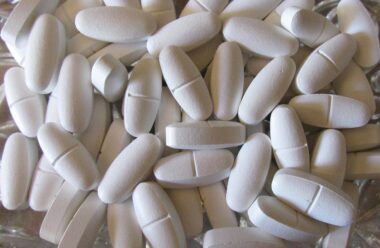

Tips for Safely Using Supplements to Strengthen Immunity
Increased focus on immunity has led many athletes to consider supplements as a potential boost. While there are beneficial options available, it is vital to approach this area with caution. Not all supplements are created equal, and the selection process should begin with thorough research. Understanding the essential nutrients and how they function can help determine which supplements may support your immune system. Vitamin C and Zinc are often highlighted for their benefits. However, it’s equally important to consider dietary sources first, as whole foods offer complex nutrient combinations that enhance overall health. Animal products, fruits, and vegetables remain your best initial sources. Reading labels is essential, as some products can contain additives or ingredients you’d rather avoid. Safety first! Consulting with healthcare professionals may provide personalized advice considering your unique health needs. Also, ensure your chosen supplements are third-party tested for purity and quality. This attention to detail can greatly help in ensuring their effectiveness and safety. Pay close attention to dosages because even vitamins can have adverse effects when over-consumed!
Consistency is key when incorporating immunity-boosting supplements into your routine. Choose a supplement regimen that you can stick to over time, as the benefits will accumulate. Erratic consumption may lead to inconsistent results, thus dampening the expected immune responses. Combining supplements can be beneficial, but make sure they work synergistically rather than against each other. For instance, Vitamin D enhances the efficacy of some antioxidants, helping them to function optimally. A balanced approach that includes both supplements and a healthy diet is essential. Consider keeping a log of what you consume to monitor its effects on your body. This will also aid in identifying any potential side effects that require attention. Maintaining proper hydration is equally important, as it supports cellular function and overall health. Regular exercise contributes significantly to immune functions too, enhancing the efficacy of most supplements. Do remember that while supplements can help, they cannot replace a balanced diet. Understanding the distinction between prevention and treatment can further inform your choices. Supplements should be viewed as complementary tools that enhance your existing wellness routines.
Choosing the Right Supplement
When selecting supplements, prioritize those backed by scientific research. Many products tout remarkable benefits but may lack proven efficacy or safety records. Look for reputable brands known for high-quality ingredients and transparency in their manufacturing processes. Third-party testing can indicate a product’s reliability, giving you peace of mind about what you’re ingesting. Avoid products that make exaggerated claims without proper scientific backing. Often, moderate doses are more effective than mega-dosing. Higher doses do not lead to better outcomes and can actually be harmful. Consult resources such as the National Institutes of Health’s Office of Dietary Supplements to fact-check information. Familiarize yourself with dosage guidelines specific to your age, sex, and overall health. This ensures that you’re not only making informed choices but also minimizing potential risks of taking unnecessary supplements. Holistic approaches that incorporate lifestyle changes, nutritional adjustments, and safe supplementation practices will enhance overall immunity. Always trust your instincts about products and look out for reactions after trying new ones. If adverse effects occur, discontinue use immediately and consult healthcare professionals.
Timing and frequency of supplement intake can influence their effectiveness. For instance, some vitamins are better absorbed at specific times of the day. Fat-soluble vitamins like A, D, E, and K should ideally be taken with meals containing fats to enhance absorption. Conversely, water-soluble vitamins, including the B vitamins, may be taken at any time but benefit from being consumed consistently daily. Check if your supplements recommend a specific timing for optimal results. Maintaining a ritual around your supplement intake can help in establishing a routine, ultimately improving adherence. Do not mix supplements indiscriminately; some combinations might lead to reduced absorption or adverse reactions. For example, Calcium may hinder Iron absorption, so consider staggering doses. Awareness of potential interactions with medications is crucial, as some supplements could affect how medications function within your body. Keeping your healthcare provider included in your supplement plans ensures safety and efficacy. This teamwork supports your goal of enhancing immunity while minimizing unnecessary risks. Understanding these principles will allow for a tailored approach toward improved health and wellness, maximizing the benefits of each supplement taken.
Monitoring Health and Immune Response
Regularly monitoring your health can provide valuable insights into the effectiveness of your supplement regimen. Keep track of any changes in how you feel, including energy levels and overall wellness. Often, improvements in your immune function can be subtle, manifesting in fewer sick days or enhanced resilience against common colds. Consider keeping an immunity journal that details your supplement intake, diet, exercise, and any notable health changes. This proactive approach helps in evaluating the impact of your supplement choices over time. Partner with healthcare professionals who can guide you in interpreting these changes appropriately. They can also recommend adjustments or alternative supplements as needed. Relying solely on supplements without acknowledging the importance of lifestyle factors can be disheartening. Regular check-ups also allow for assessing nutrient deficiencies accurately through blood tests performed by professionals. Early detection of any deficiencies will enable timely interventions. Maintaining a balanced perspective towards supplements will encourage long-term health. Engaging in community support or forums can also enhance your understanding of how others manage similar wellness goals through supplementation.
Safety should always be a primary concern when considering immunity-boosting supplements. Many people overlook that supplements can interact with medications, leading to potential complications or side effects. Listing all supplements and medications taken during consultations ensures a more comprehensive overview for healthcare providers, allowing for tailored recommendations. Awareness regarding allergies is vital when choosing supplements, as products can include allergens or additives that trigger reactions. Always read ingredient lists carefully before purchase. New regulations in the supplement industry are increasing but are still generally less stringent than pharmaceuticals. This makes due diligence necessary; knowing the source of ingredients can reduce the risk of contamination significantly. Furthermore, familiarity with expiration dates is essential; expired products may not just lose effectiveness but could also pose health risks. By creating an informed approach ahead of experimentation with supplements, you reinforce their safety and efficacy. Reputable brands will prioritize transparency regarding ingredient sourcing and third-party testing, instilling confidence in their products. Any abrupt health changes after starting a new supplement should prompt a thorough evaluation of your choices.
Conclusion: A Holistic Approach to Immunity
In summary, while supplements can play a valuable role in enhancing immunity, they must be part of a comprehensive approach. Balanced nutrition, adequate sleep, and regular physical activity are foundational aspects of a robust immune system. Supplements serve to bridge nutrient gaps, especially for individuals with dietary restrictions or increased nutritional needs, like athletes or those recovering from illness. Choosing the right supplements for your needs is as crucial as using them correctly within your routine. Therefore, continuous education on ingredients, benefits, and potential interactions is fundamental. Staying informed allows for wiser choices tailored to individual requirements and lifestyles. Keeping an open dialogue with healthcare providers ensures ongoing support. This collaborative focus can improve immunity while mitigating the risks associated with misuse and over-reliance on supplements. Over time, as you cultivate a holistic routine integrating dietary adjustments, lifestyle changes, and informed supplement usage, you’ll likely notice improvements in your health. Embrace this journey as part of your broader wellness advocate, promoting longevity and vitality. As citizens of an increasingly health-conscious society, we empower ourselves through educated choices for improved immune resilience.