
How Equipment Hoarding Affects Group Fitness Classes
In the context of gym etiquette, equipment hoarding can significantly hinder the experience of group fitness classes. When participants monopolize equipment, it disrupts the flow of class activities. Many individuals attend group workouts seeking motivation and camaraderie, but equipment hoarding translates to frustration and inefficiency. As a direct consequence, it may lead to diminished participation rates in classes and increased dissatisfaction among gym members. To foster a supportive community, it’s vital for gym-goers to be aware of their surroundings and share equipment when necessary. The collective experience of everyone should matter, as the effectiveness of workout routines can be compromised. Additionally, equipment hoarding can lead to potential conflicts among members over access to specific resources. To avoid misunderstandings, a culture of open communication is essential. Gyms can also implement new policies that promote sharing, thereby encouraging interaction among members. Fitness instructors play a critical role in addressing these issues by clearly outlining expectations regarding equipment usage during classes. Overall, being considerate and respectful will enhance the shared experiences of group fitness participants.
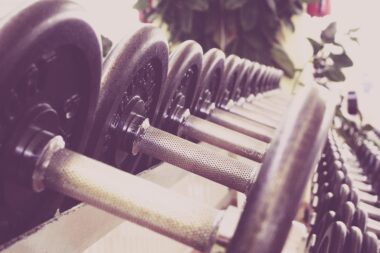
Moreover, it’s essential to recognize the types of equipment that are commonly hoarded. Free weights, benches, and resistance bands tend to attract the most attention during busy classes, leading to imbalances in participation. When one individual holds onto multiple weights, others are left without options. This practice creates an uneven playing field, making it seemingly impossible for all individuals to engage fully in the class. Furthermore, there are different levels of expertise in group fitness. Those who are less experienced may feel discouraged when faced with hoarding behaviors. They might perceive the environment as unwelcoming, leading them to avoid participating altogether. To combat this, instructors can encourage participants to limit their equipment usage. For instance, they can ask gym-goers to switch equipment every few minutes. This strategy not only promotes sharing but also allows for conditioning in various movements. Additionally, setting expectations early on can help mitigate problems associated with equipment hoarding. Signage in the gym can remind members of proper etiquette and sharing practices that prioritize everyone’s experience in group classes. Fair equipment distribution is key to ensuring an enriching experience.
The Role of Instructors
Instructors play a pivotal role in managing equipment usage during group fitness classes. They set the tone for behavior by clearly communicating guidelines about sharing and taking turns with equipment. When instructors actively monitor equipment distribution, they can intervene when hoarding occurs. For instance, if a participant is using multiple mats, the instructor can politely remind them to allow others access. Furthermore, it is instrumental for the instructor to demonstrate an understanding of the diverse needs of class members. By encouraging everyone to try different exercises and equipment, they foster a more inclusive environment. Instructors can suggest that gym-goers collaborate during workouts, which will promote teamwork and reduce the likelihood of equipment hoarding. Importantly, if individuals see that their instructor values sharing, they are more likely to adopt similar attitudes. Creating an atmosphere of accountability allows participants to feel empowered to speak up when they notice hoarding. Additionally, regular feedback from participants can help instructors tailor their approach. Listening to attendee concerns about equipment hoarding can lead to improved strategies that enhance the class experience for everyone involved.
Furthermore, gyms can implement specific strategies to manage equipment usage effectively. One approach is utilizing time limits on popular pieces of equipment. By enforcing a maximum usage time—say, five or ten minutes—gyms can promote fair access to all members. This ensures that everyone waiting has ample opportunity to use the equipment necessary for their routine. Using a timer or visible clock in the classroom can provide clarity and serve as a reminder for participants to be considerate of others. Additionally, introducing circuit training can streamline equipment use, as participants rotate rather than linger on a single resource. Circuit classes minimize idle time and foster an engaging environment, aligning well with the goal of maximizing workout efficiency while minimizing hoarding habits. Alternatively, gyms might consider scheduling equipment-heavy classes, where they allocate specific periods for participants to use designated equipment. This structured approach will greatly reduce the risk of members hoarding resources. Establishing efficient practices through scheduled classes can lead to heightened member satisfaction. Ultimately, promoting respect for each individual’s workout will enhance group dynamics overall.
Creating a Collaborative Atmosphere
A collaborative atmosphere within group fitness classes can significantly mitigate the negative effects of equipment hoarding. When participants encourage one another to share resources, the collective workout experience improves. Individuals need to understand that cooperation creates a more enriching environment. Building relationships among gym members can lead to informal agreements about equipment sharing. Group dynamics thrive when members feel comfortable expressing their needs or establishing norms around resource usage. Networking and forging friendships within the gym fosters a culture where hoarding is less prevalent. As connections deepen, members may naturally be inclined to assist each other. It’s essential for fitness enthusiasts to recognize that sharing contributes not only to personal success but also the success of others in the class. As such, shaping a welcoming and inclusive atmosphere invites participation from diverse fitness levels. This approach benefits newcomers who may feel intimidated by the physical demands of group classes. Supporting one another creates a positive cycle, encouraging participation while diminishing the tendency towards equipment hoarding. Ultimately, cultivating empathy and camaraderie leads to enhanced experiences for all gym-goers.
Moreover, the impact of equipment hoarding goes beyond individual experiences. It affects the overall culture of fitness facilities. When an environment encourages hoarding, it may turn into a space where selfishness is normalized. This atmosphere contradicts the fundamental purpose of group fitness—encouragement, unity, and cooperation. If hoarding behaviors are left unchecked, this can breed resentment among members and lead to higher turnover rates. Individuals seek gyms where they feel comfortable and valued, and when they witness ongoing patterns of selfishness, they may look to other facilities. Furthermore, managing equipment hoarding effectively requires collaboration between gym management and trainers. Management should regularly assess the cultural atmosphere, seeking feedback on how equipment sharing practices are being observed. Instructors can provide essential insight regarding participant interactions as well. An ongoing dialogue is crucial, ensuring that measures can be adapted to current needs. Creating incentives for sharing may also promote a more conducive environment. By fostering healthy competition around sharing practices, gyms can create a thriving community atmosphere. Both members and staff play vital roles in establishing norms that encourage more considerate actions regarding equipment.
Conclusion
In conclusion, addressing equipment hoarding within gym settings is essential for the success of group fitness classes. By acknowledging the problem, gym-goers can engage in shared responsibilities that elevate everyone’s experience. This process begins with implementing effective communication strategies between instructors and participants to ensure engagement and understanding. Creating structured expectations can also help in diminishing hoarding behaviors. Additionally, fostering a culture of collaboration encourages members to support one another in their fitness journeys, leading to richer interactions. Regular assessments of gym culture can reveal problem areas while guiding necessary adjustments. As gym etiquette evolves, prioritizing mutual respect and consideration will ensure that all members feel valued and welcomed. Equipment management doesn’t solely revolve around physical access; instead, it encompasses the emotional connection between participants, elevating the significance of shared experiences. Ultimately, through collective efforts, gyms can transform practices centered around equipment into meaningful interactions that empower everyone involved. Remember, a successful group fitness class thrives on participation and shared responsibility. Every participant plays a role in creating an equitable environment that values fitness and community engagement.
This is another paragraph with exactly 190 words…